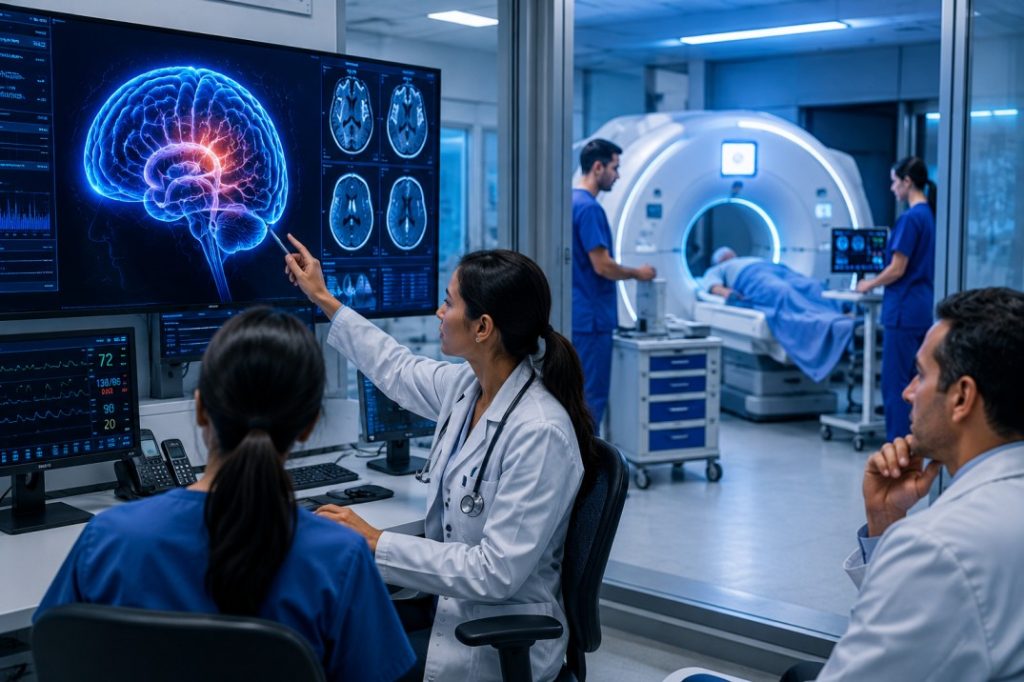
Stroke is a serious medical condition where the blood supply to the brain is interrupted. This can lead to brain damage and loss of body functions like movement, speech, memory, or vision. In many cases, stroke causes partial or full paralysis. Recovery can take time, and the right kind of treatment plays a big role. While many turn to physiotherapy for recovery, Ayurveda offers a natural and holistic way to improve mobility and strength after a stroke.
Ayurveda is an ancient Indian system of healing. It focuses on balancing the body’s energies to improve health. Many stroke patients are now turning to Ayurvedic Treatment for Stroke Patients as a natural option to support recovery. This approach not only helps in improving movement but also works on the root causes to restore the balance in the body.
How Does Ayurveda Help in Post-Stroke Recovery?
Ayurveda believes that stroke happens due to an imbalance of “Vata dosha,” the energy responsible for movement and nerve functions in the body. When Vata becomes disturbed, it can lead to problems like paralysis. Ayurvedic treatments aim to calm the Vata and help the body regain strength and function. These therapies include herbal oils, body massages, medicated steam, and special diets that support nerve healing and blood flow.
In most cases, stroke causes weakness on one side of the body. Simple activities like walking, eating, or speaking become difficult. Ayurvedic therapies gently work on the nervous system, muscles, and joints to bring back flexibility and strength. These treatments are slow but effective when taken regularly with the guidance of a trained Ayurveda expert.
Is Panchakarma Effective For Post-Stroke Rehabilitation?
Panchakarma is a deep cleansing therapy in Ayurveda. It removes toxins from the body and restores energy flow. For stroke patients, Panchakarma helps in improving blood circulation, reducing stiffness, and bringing back body balance. The five main steps of Panchakarma—Vamana, Virechana, Basti, Nasya, and Raktamokshana—are chosen based on the patient’s condition.
Among these, Basti (medicated enema) is especially useful in managing Vata disorders like paralysis. It helps in lubricating the nerves and joints. Along with Basti, therapies like Abhyanga (herbal oil massage) and Pizhichil (oil bath therapy) are also helpful in reducing muscle stiffness and improving coordination.
Panchakarma also helps in calming the mind. Stroke not only affects the body but also leads to emotional stress. These treatments help in bringing mental peace, improving sleep, and boosting confidence in patients.
Also, Read: Postnatal Care at Home with Ayursh Ayurveda: A Boon for New Moms
Common Ayurvedic Therapies used after stroke:
Here are some popular Ayurvedic therapies used during post-stroke care:
- Abhyanga – Full body massage with warm herbal oils to reduce stiffness and improve blood flow.
- Swedana – Herbal steam therapy that opens up blocked channels in the body.
- Shirodhara – Pouring warm oil on the forehead to calm the mind and nervous system.
- Pizhichil – Continuous oil pouring on the body followed by massage, useful for muscle relaxation.
- Basti – Special enema therapy that balances Vata dosha and supports nerve healing.
- Nasya – Nasal therapy that helps improve breathing and mental clarity.
All these treatments are done under supervision and can be customized based on the patient’s age, strength, and stroke condition.
Diet And Lifestyle in Ayurveda For Stroke Recovery
Ayurveda believes that food plays a key role in healing. A stroke patient should follow a light and warm diet that is easy to digest and helps balance the Vata. Cooked vegetables, soups, ghee, and herbal teas are helpful. Avoid cold, dry, and processed foods.
Daily routine should include:
- Gentle stretching or guided movement exercises
- Enough rest and good sleep
- Meditation or breathing exercises to reduce stress
- Avoiding late-night sleep and irregular eating
A healthy lifestyle with proper care helps in faster healing.
Importance of Early Ayurvedic Support After Stroke
The sooner the Ayurvedic care begins after the stroke, the better the results. Delay can lead to stiffness in joints and permanent weakness in limbs. Starting therapies in the early recovery stage can prevent long-term disability and improve overall quality of life.
Ayurveda does not replace emergency stroke treatment or physiotherapy, but it works as a great support to fasten the recovery process. Many patients who combine Ayurveda with their ongoing treatments see better improvement in movement, speech, and balance.
Also, Read: Ayursh Ayurveda- Your place to get personalized Home Ayurvedic Therapies
Conclusion
Stroke can change life suddenly, but with the right care, recovery is possible. Ayurveda offers a natural, safe, and time-tested way to improve mobility, reduce weakness, and bring back confidence in stroke patients. Panchakarma and other Ayurvedic therapies not only support the body but also calm the mind, making the recovery journey smoother.
If you or your loved one is looking for Ayurvedic Treatment for Stroke Patients, get in touch with Ayursh. Our expert therapists offer home-based therapies, personalized care, and long-term support for better recovery.
Book your consultation today and take a step towards natural healing!