Over the past decade, transportation has gone through a major shift. Instead of waiting at bus stops or calling a taxi service, people now use their smartphones to book rides within seconds. An On-demand transport app like Uber, Lyft, and many local alternatives have made commuting faster, easier, and more flexible.
But this trend isn’t just about convenience. On-demand apps are changing how we think about urban mobility, public transportation, and even car ownership. In this blog, we’ll take a closer look at how these apps are shaping the future of transportation and what it means for passengers, drivers, cities, and entrepreneurs.
What Are On-Demand Transport Apps?
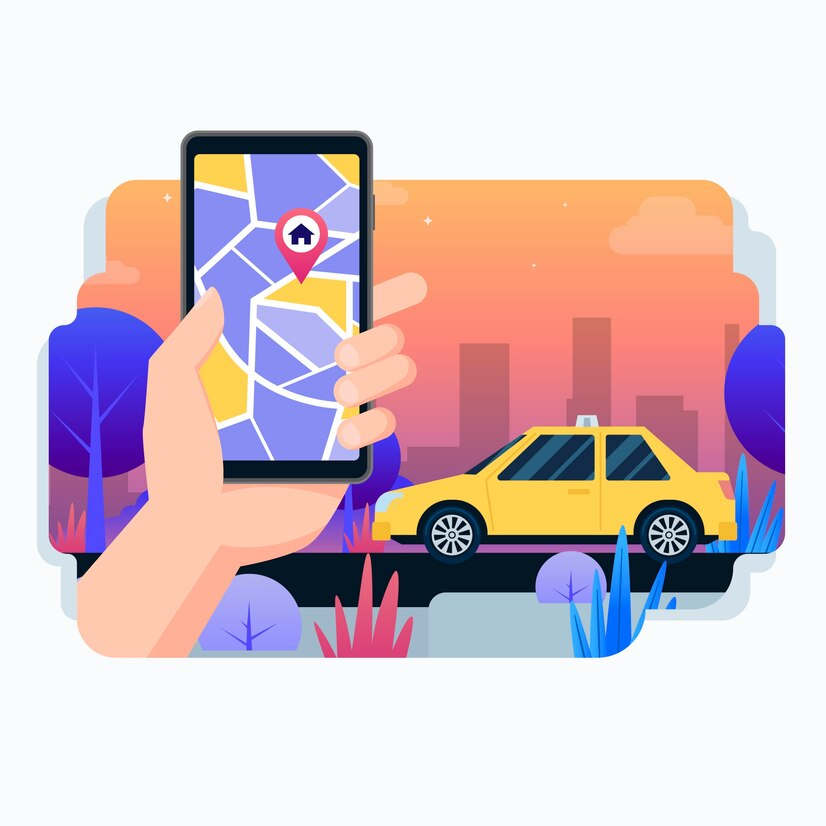
On-demand transport apps are mobile applications that connect passengers with available drivers nearby. These apps use GPS tracking, real-time communication, and digital payments to make the entire process smooth and fast. You open the app, enter your destination, and a ride shows up at your location within minutes.
These services work 24/7 and often offer multiple ride types, such as standard cars, bike taxis, shared rides, or luxury vehicles.
Why These Apps Are Becoming So Popular
Convenience
One of the main reasons people love on-demand apps is because they make travel simple. You don’t have to wait in lines or deal with cash payments. Everything happens through the app—booking, tracking, and paying.
Affordability
Compared to traditional taxis, many on-demand services offer lower fares. Shared rides and dynamic pricing also make it easier to find a ride that fits your budget.
Safety and Transparency
These apps let you track your ride, view the driver’s profile, and share your trip with friends or family. Ratings and reviews also help maintain service quality and accountability.
How On-Demand Transport Apps Are Changing the Way We Travel
Reducing the Need for Personal Cars
Many people are choosing not to buy a car because on-demand transport gives them reliable access to rides without the costs of fuel, insurance, or maintenance. This is especially true in big cities, where parking and traffic can be a headache.
Supporting Multimodal Transportation
On-demand apps are no longer just about car rides. They’re now offering options like electric scooters, shuttle vans, and even boat rides in some cities. Users can mix and match different modes of transport based on their needs.
This helps reduce congestion and supports better use of urban space.
Encouraging Smart City Development
City planners are using data from ride-hailing apps to understand traffic patterns and improve public transport systems. The insights gathered from these apps help build smarter, more efficient cities.
On-demand apps are also pushing the growth of electric vehicle infrastructure and better road planning.
How Entrepreneurs Are Tapping Into the Trend
Launching Niche Ride-Hailing Services
Entrepreneurs are using on-demand app technology to target specific audiences. Examples include women-only ride services, elderly-friendly transport, intercity shuttle bookings, and ride-hailing for rural areas.
By focusing on the needs of a particular group, startups are finding ways to stand out in a competitive market.
Using Clone App Development to Launch Faster
Instead of building apps from scratch, many entrepreneurs are choosing clone app development. This means starting with a pre-built app like an Uber clone, customizing it for their target market, and launching quickly.
This saves time and money, especially for new businesses with limited resources.
Expanding into Other On-Demand Services
The technology behind transport apps is also being used in delivery, logistics, and courier services. Entrepreneurs who start in transport can easily move into other areas with similar user flows and infrastructure.
The Role of Technology in On-Demand Transportation
GPS and Real-Time Tracking
Without GPS, on-demand apps wouldn’t exist. Location tracking helps match riders with nearby drivers, calculate routes, estimate arrival times, and improve safety.
AI and Data Analytics
Apps are now using artificial intelligence to predict demand, optimize driver availability, and reduce wait times. Data also helps platforms identify customer preferences and improve pricing strategies.
Digital Payments
Digital wallets, cards, and contactless payments make the process smooth for both passengers and drivers. These systems also help build trust and reduce cash-related risks.
Integration with Other Platforms
Some ride-hailing apps are now integrated with calendars, travel apps, or public transport services. This makes it easier for users to plan entire trips without switching between apps.
Read More: Top Features to Include in Your InDriver Clone App for 2025
Environmental Impact and the Push for Green Rides
Electric Vehicles (EVs)
Many on-demand apps are starting to include electric vehicles in their fleet or are encouraging drivers to make the switch. This reduces air pollution and helps cities meet their environmental goals.
Ride Pooling
Shared rides mean fewer cars on the road, which helps lower traffic congestion and carbon emissions. On-demand apps promote carpooling by connecting passengers going in the same direction.
Less Idle Time
Real-time matching means drivers spend less time roaming the streets looking for passengers. This leads to fewer unnecessary miles, saving fuel and reducing pollution.
Challenges Ahead
While on-demand transport apps offer many benefits, they also face challenges like:
- Regulatory issues and licensing in different regions
- Surge pricing concerns during peak hours
- Driver satisfaction and fair wages
- Managing traffic congestion in high-demand zones
Solving these challenges will be key to long-term growth and public support.
Conclusion: The Road Ahead Looks Promising
On-demand transport apps have already changed how we move, but their full impact is just beginning. From reducing the need for personal cars to making cities smarter and greener, these platforms are leading a transportation revolution.
For entrepreneurs, this space offers endless possibilities. Whether you want to launch a local ride-hailing app, target a specific group, or expand into delivery services, the technology is within reach. By working with the right app development company, you can get started quickly, build a reliable product, and make a real difference in how people travel.
As cities grow and users continue to expect faster, safer, and more flexible transport options, on-demand apps will remain at the center of modern mobility.
Frequently Asked Questions (FAQs)
What is an on-demand transport app?
An on-demand transport app is a mobile application that allows users to book rides in real-time through their smartphone. It connects passengers with nearby drivers and handles everything from booking to payment.
Are these apps only for car rides?
No. Many on-demand apps now offer options like bike taxis, electric scooters, auto-rickshaws, and even boats in certain cities. They’re expanding to cover all forms of transportation.
How do entrepreneurs build on-demand transport apps?
Entrepreneurs often use pre-built solutions like Uber clone apps. These are customizable and allow quick market entry without building everything from scratch.
Are on-demand transport apps safe?
Yes, most apps include safety features like real-time tracking, driver ratings, and in-app emergency contacts. Some also allow ride-sharing details to be sent to friends or family.
How do these apps help the environment?
On-demand apps encourage ride sharing, support the use of electric vehicles, and reduce unnecessary driving through smart route planning. This helps lower traffic and air pollution.