
Imagine a busy warehouse where pallets are stacked high, forklifts buzz back and forth, and shipments need to be weighed quickly and accurately before they move out the door. The last thing anyone wants is for a scale to fail in the middle of this hustle. Durable weighing equipment is the backbone of efficient logistics and warehousing operations. It ensures that every package, pallet, or container is measured correctly, preventing costly mistakes and keeping the supply chain moving smoothly.
Why Durability Matters in Weighing Equipment
Warehouses and logistics centers aren’t gentle environments. Heavy goods, dust, moisture, and constant movement put equipment through a lot of strain. A scale that can’t withstand this environment will break down, leading to downtime, repair costs, and potential errors in shipment weights.
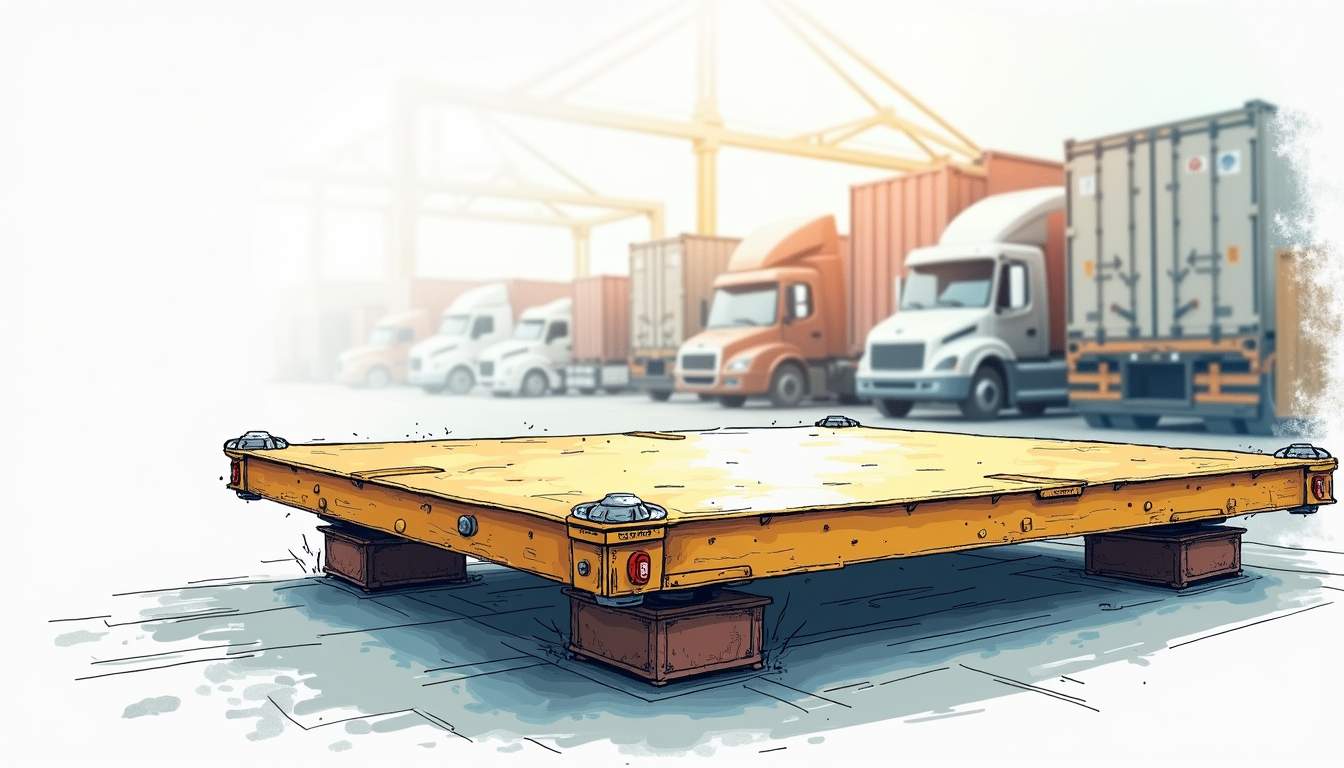
Durability in weighing equipment means more than just a tough exterior. It involves robust internal components, reliable load cells, and protective features against environmental factors. When equipment is built to last, it reduces maintenance needs and ensures consistent performance over time. Investing in durable weighing equipment can also enhance the overall efficiency of operations, as reliable scales minimize the risk of human error and ensure accurate weight measurements, which are crucial for inventory management and shipping logistics.
Handling Harsh Conditions
Many warehouses operate in conditions that would quickly degrade standard scales. Exposure to dust, dirt, and moisture can cause corrosion or interfere with sensitive electronics. Durable weighing equipment often features sealed or stainless steel load cells and enclosures rated for water and dust resistance, such as IP65 or higher. These protective measures not only extend the lifespan of the equipment but also enhance safety by preventing electrical malfunctions that could lead to accidents in the workplace.
Temperature fluctuations also play a role. Some warehouses are refrigerated or heated, and weighing equipment must maintain accuracy despite these changes. High-quality materials and temperature compensation technology help scales perform reliably in varying conditions. Additionally, scales equipped with advanced sensors can automatically calibrate themselves in response to temperature shifts, ensuring that weight readings remain precise even in extreme environments. This adaptability is crucial for industries such as food processing and pharmaceuticals, where compliance with strict regulations is mandatory. To explore reliable solutions from Scales4U, specialists in Agricultural Scales, Laboratory Scales, Retail Scales, Medical Scales, and Industrial Scales, you can visit the following link for more details: https://scales4u.co.za/
Impact Resistance and Structural Strength
Forklifts, pallet jacks, and heavy packages can accidentally bump into scales. Durable equipment is designed to absorb shocks without damage. Reinforced frames, thick steel platforms, and shock-absorbing mounts protect the internal components from impact. Furthermore, the use of high-strength materials not only contributes to the longevity of the scales but also enhances their ability to handle dynamic loads, which is essential for operations that involve frequent weighing of heavy items.
Besides physical strength, the design often includes low-profile platforms that reduce tripping hazards and make it easier to load and unload goods. This improves safety and efficiency simultaneously. Many modern scales also incorporate features such as built-in ramps or adjustable heights to accommodate various types of equipment and loading methods, making them versatile enough to meet the diverse needs of different industries. This thoughtful design approach not only maximizes productivity but also fosters a safer working environment by minimizing the risk of accidents during loading and unloading processes.
Types of Durable Weighing Equipment for Logistics
Different logistics operations require different types of weighing equipment. Choosing the right one depends on the specific needs, such as the size and weight of goods, the speed of operations, and the environment.
Floor Scales
Floor scales are a staple in warehouses. They are large, heavy-duty platforms installed flush with the floor or slightly raised. These scales handle heavy pallets, crates, and containers with ease.
Durable floor scales often feature welded steel construction and multiple load cells for even weight distribution. They can handle capacities ranging from a few hundred kilograms to several tons, making them versatile for various applications. Additionally, many modern floor scales come equipped with advanced features such as digital displays, which provide real-time weight readings and can even connect to software systems for data tracking. This integration enhances operational efficiency, allowing for seamless inventory management and reporting.
Bench Scales
For smaller items or packages, bench scales are a practical choice. These compact scales sit on a workbench or table and provide precise measurements for parcels, components, or inventory items.
Durable bench scales are built with stainless steel platforms and sealed electronics to resist dust and spills. They are ideal for packing stations or quality control areas where accuracy and durability are both critical. Furthermore, many bench scales now include features like tare functions, which allow users to subtract the weight of containers, ensuring that only the weight of the product is measured. This capability is particularly beneficial in environments where items are frequently weighed in various containers, enhancing productivity and reducing waste.
Crane Scales
When dealing with oversized or awkwardly shaped loads, crane scales come into play. These devices attach to overhead cranes or hoists and weigh items while they are lifted.
Durability here means rugged construction, shock resistance, and reliable wireless or wired communication to the display unit. Crane scales must handle dynamic loads and vibrations without losing accuracy. Many models also feature overload protection systems, which prevent damage to the scale during use. Additionally, some crane scales are equipped with advanced features such as data logging capabilities, allowing operators to track weight measurements over time for better load management and safety compliance.
Counting Scales
Counting scales combine weighing and counting capabilities, useful for inventory management. They calculate the number of pieces based on weight, speeding up stocktaking and order fulfillment.
Durable counting scales feature robust platforms and user-friendly interfaces. They often include memory functions and connectivity options for integration with warehouse management systems. Moreover, these scales can significantly reduce human error during inventory processes, as they provide quick and accurate counts, which is especially beneficial in high-volume environments. Some counting scales also come with customizable settings, allowing users to set specific weights for different items, further streamlining the counting process and enhancing operational efficiency.
Key Features to Look for in Durable Weighing Equipment
Not all scales are created equal. When selecting weighing equipment for logistics and warehousing, certain features ensure durability and reliability.
Material Quality
Look for scales made from stainless steel or heavy-duty painted steel. Stainless steel offers corrosion resistance, which is crucial in humid or dusty environments. Powder-coated steel provides a tough finish that resists scratches and rust.
Load Cell Technology
The load cell is the heart of any scale. High-quality load cells provide accurate and consistent measurements, even under heavy use. Multiple load cells improve stability and distribute weight evenly, reducing wear and tear.
Environmental Protection
IP ratings indicate how well a scale is protected against dust and water. For warehouse use, an IP65 rating or higher is ideal. This ensures the scale can withstand cleaning, spills, and airborne particles without damage.
Ease of Maintenance
Durable equipment should also be easy to maintain. Features like removable platforms, accessible load cells, and diagnostic displays help technicians perform routine checks and repairs quickly, minimizing downtime.
Connectivity and Integration
Modern logistics operations benefit from scales that connect to computers, barcode scanners, and warehouse management systems. Durable weighing equipment often includes USB, RS232, or wireless interfaces, enabling seamless data transfer and reducing manual entry errors.
Maintaining Durable Weighing Equipment for Longevity
Even the toughest scales need care to perform at their best. Regular maintenance extends the lifespan of weighing equipment and keeps accuracy intact.
Routine Cleaning
Dust and debris can accumulate on and under scales, affecting performance. Cleaning with appropriate materials-avoiding harsh chemicals that could damage seals or coatings-is essential. For stainless steel scales, mild detergents and water usually suffice.
Calibration Checks
Calibration ensures the scale measures correctly. Warehouses should schedule periodic calibration, either in-house with certified weights or through professional services. This is especially important after heavy use or if the scale has been moved.
Inspection for Damage
Regularly inspect platforms, load cells, cables, and connectors for signs of wear, corrosion, or physical damage. Early detection of issues prevents costly breakdowns and maintains safety standards.
Software Updates
For digital scales with software or firmware, keeping systems updated can improve functionality and fix bugs. Check with manufacturers for the latest versions and update procedures.
Impact of Durable Weighing Equipment on Warehouse Efficiency
Reliable weighing equipment directly influences operational efficiency. Accurate weights prevent shipping errors, reduce disputes with carriers, and ensure compliance with regulations.
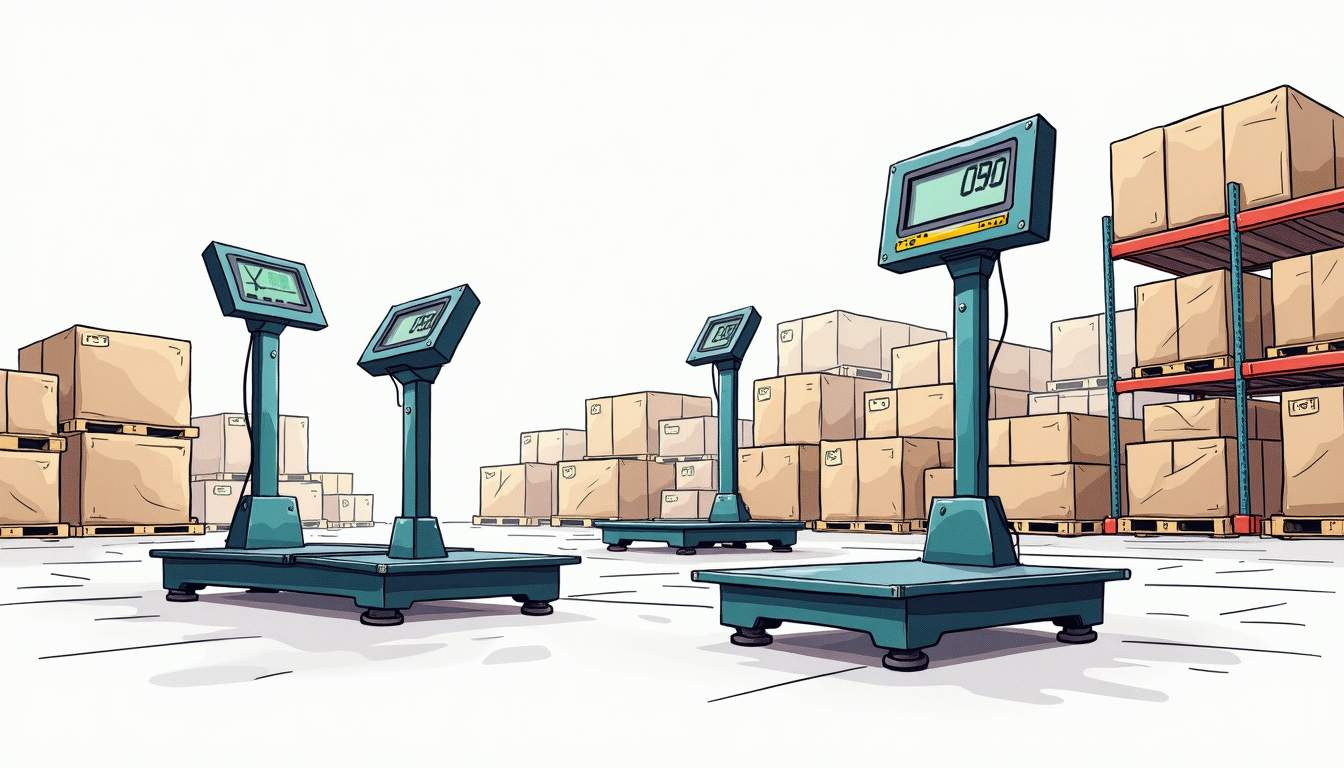
When scales are durable and dependable, workers spend less time troubleshooting or waiting for repairs. This keeps workflows smooth and deadlines on track.
Additionally, integrating weighing data with warehouse management systems enables better inventory control and traceability. Real-time weight information supports decision-making and improves overall productivity.
Choosing the Right Supplier for Durable Weighing Equipment
Not all suppliers offer the same level of quality or support. Selecting a reputable vendor who understands logistics needs is crucial.
Look for suppliers that provide warranties, technical support, and training. They should offer equipment tailored to your operation’s scale and environment, with options for customization if needed.
Reading customer reviews and asking for references can reveal how well a supplier stands behind their products. Also, consider the availability of spare parts and repair services locally to minimize downtime.
Future Trends in Durable Weighing Equipment
Technology continues to advance, bringing new possibilities for weighing equipment in logistics. Wireless scales with IoT connectivity allow real-time monitoring and predictive maintenance alerts.

Smart scales can automatically adjust calibration based on environmental conditions, improving accuracy without manual intervention. Integration with AI-driven warehouse management systems will further optimize inventory and shipping processes.
Materials science is also evolving, with new composites and coatings enhancing durability while reducing weight. These innovations will make scales easier to install and maintain, even in the toughest environments.
Final Thoughts
Durable weighing equipment is more than a tool-it’s a critical partner in logistics and warehousing success. Investing in robust, reliable scales pays off through improved accuracy, reduced downtime, and smoother operations.
Choosing the right equipment means considering the environment, load types, and integration needs. Proper maintenance keeps scales performing at their best, while a trusted supplier ensures ongoing support.
As technology evolves, durable weighing equipment will become smarter and more connected, further enhancing warehouse efficiency and accuracy. The right scale today sets the foundation for tomorrow’s logistics challenges.