Dentistry combines science and artistry to maintain oral health, and the tools used are central to this practice. Among the most fundamental instruments on any dental tray is the dental explorer. This slender, pointed tool is vital for diagnosing a wide range of oral health issues. For any dental professional, from a student learning the basics to an experienced surgeon, understanding the function and importance of the explorer instrument in dentistry is the first step toward providing excellent patient care. It is a simple yet powerful device that helps detect problems before they become severe.
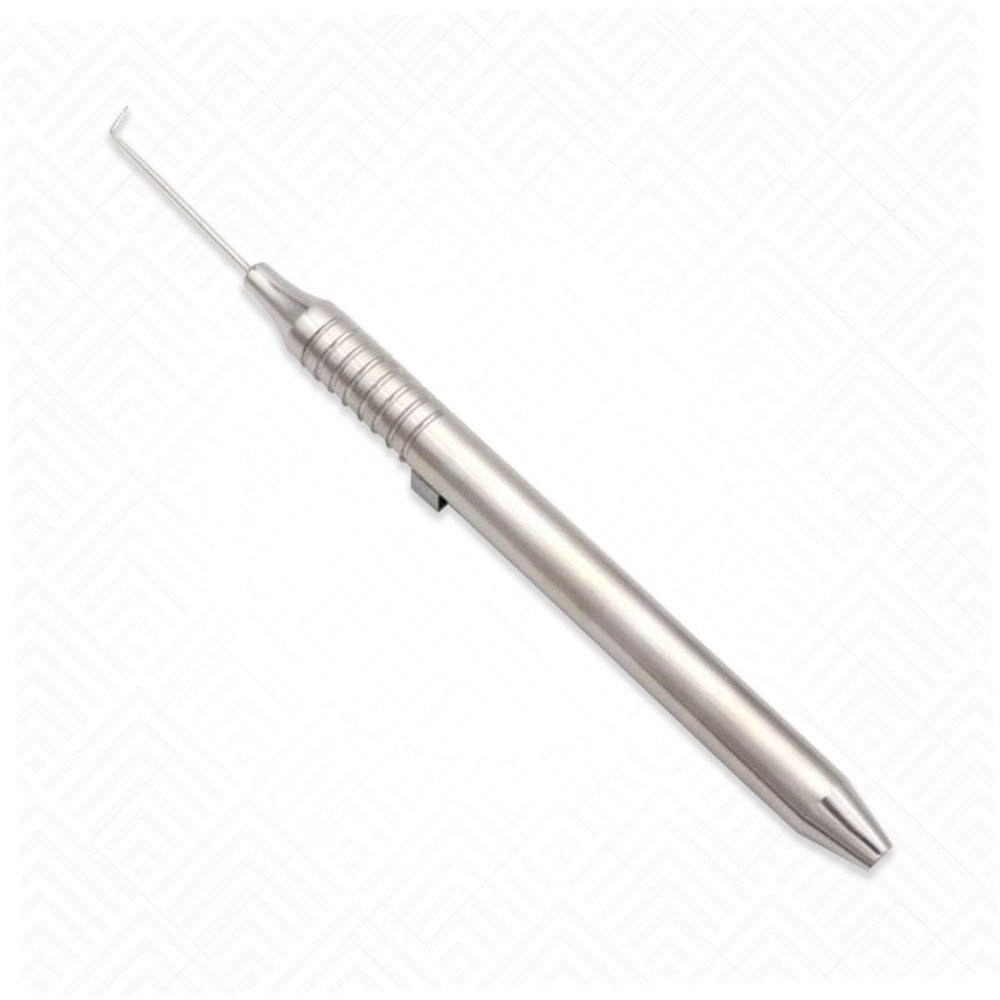
Uncovering the Role of the Dental Explorer
The primary function of a dental explorer is tactile examination. While visual checks and X-rays are crucial, they don’t always tell the whole story. The explorer’s sharp, fine tip allows a dentist or hygienist to feel the surfaces of the teeth with incredible precision. This tactile feedback helps them detect subtle imperfections that might otherwise go unnoticed. For example, the instrument can identify the earliest signs of dental caries (cavities), often catching them when they are just small pits or fissures in the enamel. By gently running the tip over the tooth surface, a practitioner can feel for any softness or stickiness, which are telltale signs of decay.
Identifying Caries and Other Imperfections
Detecting cavities is a key use for the explorer, but its diagnostic capabilities extend much further. The instrument is also essential for evaluating the margins of existing dental elevators restorations like fillings, crowns, and bridges. A well-placed restoration should have a smooth, seamless transition to the natural tooth structure. The explorer’s tip can detect any gaps, ledges, or irregularities at these margins, which could indicate a failing restoration that might lead to secondary decay or other complications. Furthermore, the tool is used to assess calculus (tartar) deposits both above and below the gumline, guiding the cleaning process and helping to prevent periodontal disease. The versatility of the explorer instrument in dentistry makes it indispensable.
Types and Variations of the Explorer
Dental explorers are not a one-size-fits-all tool. They come in various shapes and designs, each suited for specific diagnostic tasks. The most common type is the No. 23 explorer, often called a “shepherd’s hook,” which is ideal for examining pits and fissures on the occlusal (chewing) surfaces of molars and premolars. Another popular design is the Orban-type explorer, which has a more complex angulation, making it perfect for assessing the deep pockets between teeth and below the gumline. Double-ended explorers, which combine different tip styles into a single instrument, offer enhanced efficiency and versatility during an examination. Understanding these variations allows professionals to select the right tool for the job.
Precision and Quality in Dental Instruments
For an explorer to function correctly, it must be crafted with exceptional quality and precision. The tip needs to be sharp enough to provide accurate tactile information but not so sharp that it damages healthy tooth enamel. The material, typically high-grade stainless steel, must be durable and resistant to corrosion from sterilization processes. This is where choosing a reliable supplier becomes critical. At New Med Instruments, we understand that precise results depend on superior tools. New Med Instruments seeks to provide quality Surgical instruments and superior service to Surgeons, Students and healthcare Professionals all over the world, who value perfect and precise results for their patients. Whether a surgeon is just starting his practice or endeavoring to improve his techniques and add new procedures to an established repertoire, our products will meet his specific surgical needs. A high-quality explorer instrument in dentistry is a direct investment in patient outcomes.
Proper Care and Sterilization
Maintaining the integrity of the explorer instrument in dentistry is just as important as its initial quality. Proper cleaning and sterilization are mandatory to prevent cross-contamination and ensure patient safety. After each use, instruments must be thoroughly cleaned to remove all debris before being sterilized, typically in an autoclave that uses steam under pressure. Regular inspection is also necessary to check for any dulling or damage to the tip, as a compromised instrument can lead to inaccurate diagnoses or iatrogenic damage to the tooth. Adhering to strict infection control protocols ensures that this essential diagnostic tool remains safe and effective. Ultimately, a well-maintained explorer instrument in dentistry is a cornerstone of responsible and effective dental practice.