
Imagine walking into a party where the music is too loud, the performers are lost in the crowd, and the vibe just feels off. The entertainment didn’t match the event size, and it shows. Picking the right entertainment isn’t just about who’s popular or trending-it’s about matching the energy, space, and guest list perfectly. Whether you’re planning an intimate dinner or a massive corporate gala, the entertainment choice can make or break the experience.
Understanding Your Event Size and Its Impact
Small Events: Creating Intimacy and Connection
Small events, typically ranging from 10 to 50 guests, thrive on personal interaction and a cozy atmosphere. Think birthday dinners, small weddings, or private business meetings. In these settings, the entertainment should enhance conversation, not overpower it. Acoustic musicians, solo performers, or even a skilled DJ with a subtle playlist often work best.
For example, a jazz guitarist or a classical pianist can add a sophisticated touch without overwhelming the room. The key is to choose entertainment that invites guests to mingle and engage rather than distract them. Additionally, incorporating interactive elements such as a wine tasting or a small craft station can further foster connections among attendees, allowing them to share experiences and create lasting memories. These small touches can transform a simple gathering into a cherished occasion, where each guest feels valued and included.
Medium Events: Balancing Energy and Engagement
When you move into medium-sized events, roughly 50 to 200 people, the dynamic shifts. These could be company parties, community fundraisers, or milestone celebrations. Here, entertainment needs to be more visible and audible but still approachable.
Consider a small band or a duo that can play a variety of music styles to keep the energy up. Interactive entertainment like a magician or a caricature artist can also work well, offering guests something fun to do without requiring a huge stage or sound system. Furthermore, incorporating themed activities, such as photo booths or trivia games related to the event’s purpose, can enhance guest engagement and create a lively atmosphere. This approach not only entertains but also encourages guests to interact with one another, fostering a sense of community and shared enjoyment. To explore top-notch entertainment options for your next event, visit Wowzers, your premier local team of artist-entertainers, specializing in both small and large-scale parties and events.
Large Events: Making a Big Impact
For events with 200 or more attendees, such as concerts, festivals, or large corporate events, entertainment must be designed to captivate a big crowd. This often means bigger acts, more elaborate setups, and a focus on high-energy performances.
Think full bands, DJs with light shows, or even theatrical performances. The entertainment should be the focal point, with sound and visuals that reach every corner of the venue. Planning for crowd engagement and flow becomes essential at this scale. Additionally, incorporating large-scale interactive elements, such as audience participation games or live polls, can elevate the experience, making attendees feel like an integral part of the event. With the right mix of entertainment and engagement strategies, large events can create a memorable atmosphere that resonates long after the final curtain call.
Matching Entertainment Type to Event Size
Live Music Options for Every Crowd
Live music is a popular choice across all event sizes but varies greatly in form. For small events, solo artists or duos are ideal. They require minimal setup and can adapt their volume and style to the room’s mood. A solo guitarist, for instance, can create an intimate atmosphere, while a duo might add harmonies that enhance the overall experience. This flexibility allows for a personalized touch that resonates with guests, making the event feel special and tailored just for them.
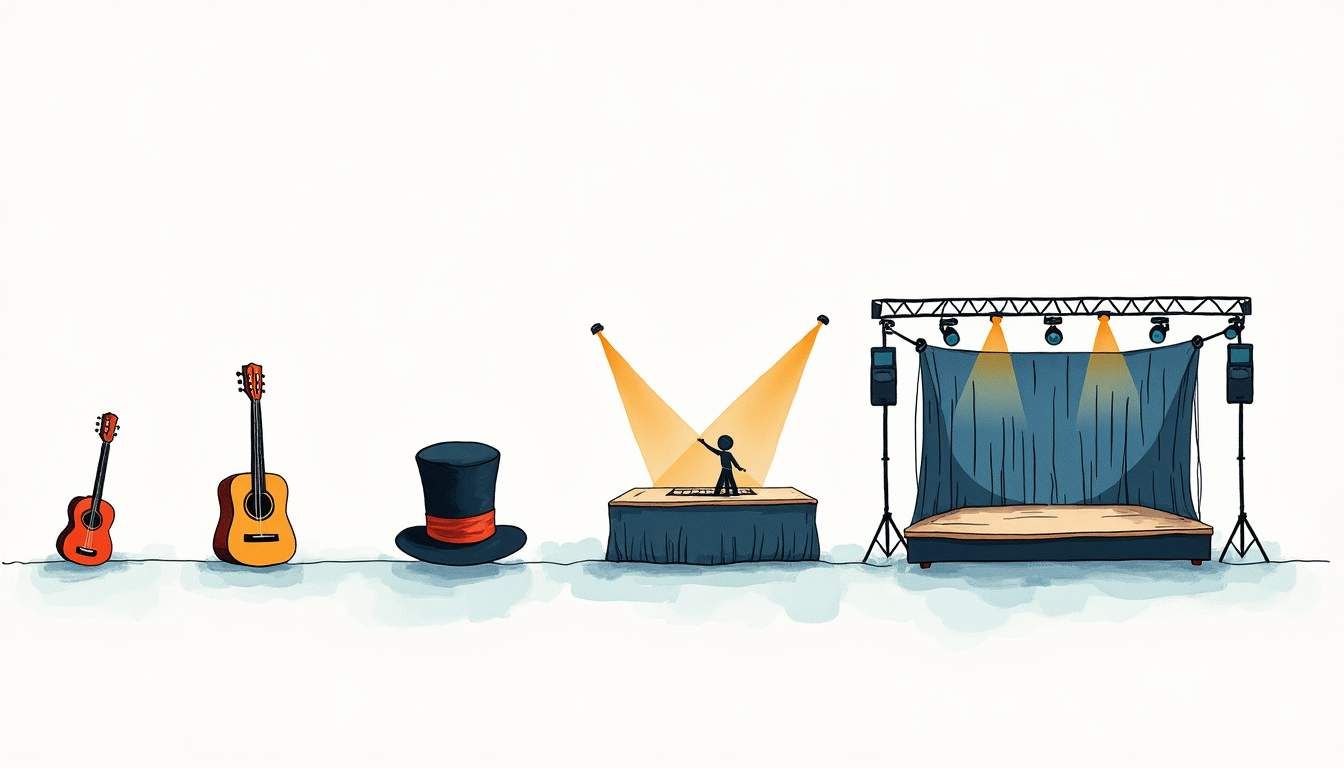
Medium events can support trios, quartets, or small bands. These groups bring more energy and variety, which suits a larger and more diverse audience. The presence of multiple musicians can introduce different genres, from jazz to folk, allowing for a dynamic musical journey throughout the event. For large events, full bands or headline acts with professional sound and lighting rigs are necessary to fill the space and keep guests engaged. The excitement of a live performance can elevate the atmosphere, encouraging guests to dance and interact, creating a vibrant social experience that lingers long after the last note is played.
Interactive Entertainment: Engaging Guests Personally
Interactive entertainment shines in small to medium events. Activities like photo booths, magicians, or live painters encourage guests to participate and create memorable moments. These options are less effective for huge crowds, where individual interaction is limited. A live painter, for instance, can capture the essence of the event in real-time, providing guests with a unique piece of art that reflects their shared experience. This not only entertains but also gives attendees a tangible memory to take home.
For medium events, consider entertainers who can move through the crowd, such as strolling musicians or comedians. They keep the atmosphere lively without requiring everyone to focus on a single stage. This type of engagement can break the ice among guests, fostering conversations and connections that might not occur in a more traditional setup. Additionally, incorporating audience participation elements, like improv comedy or interactive games, can further enhance the experience, ensuring that guests feel included and entertained throughout the event.
Technology-Driven Entertainment
Tech-based entertainment, like virtual reality experiences or interactive games, can be tailored to any event size but requires careful planning. Small events benefit from a few stations or devices, allowing guests to explore at their own pace without feeling overwhelmed. For instance, a VR headset can transport attendees to another world, providing a unique escape that sparks conversation and excitement. This personal engagement can make smaller gatherings feel cutting-edge and innovative.
For large events, however, you might need multiple setups or large screens to accommodate the audience effectively. This could include interactive displays that allow guests to engage with the brand or product in a fun and memorable way. For corporate or product launch events, tech entertainment can double as a branding tool, offering immersive experiences that align with the event’s theme. Just ensure there’s enough space and staff to manage the tech smoothly. Having knowledgeable staff on hand can help troubleshoot any issues, ensuring that the technology enhances rather than detracts from the overall experience. Additionally, integrating social media elements, such as live feeds or hashtag walls, can encourage guests to share their experiences in real-time, amplifying the event’s reach beyond its physical space.
Considering Venue and Logistics
Space Constraints and Setup
The venue size and layout heavily influence what entertainment is feasible. Small venues limit the size of performers and equipment. A large band might overwhelm a tiny room, while a solo act could get lost in a cavernous hall.
Always visit the venue beforehand to assess stage space, sound restrictions, and audience sightlines. This helps avoid surprises on event day and ensures the entertainment fits comfortably. Additionally, consider the flow of foot traffic and how guests will move around the space. A well-planned layout can enhance the overall experience, allowing guests to mingle and enjoy the entertainment without feeling cramped or obstructed.
Sound and Lighting Needs
Sound quality can make or break entertainment. Small events often require minimal amplification, while large events demand professional sound systems and lighting to create the right atmosphere.
Consider hiring a sound engineer or production team for medium to large events. They can tailor the setup to the venue and event size, ensuring every guest hears and sees the performance clearly. Furthermore, the choice of lighting can dramatically alter the mood of the event; soft, warm lights can create an intimate ambiance, while bright, dynamic lighting can energize the crowd. Collaborating with lighting designers can help craft a visual experience that complements the performance and enhances the overall theme of the event.
Timing and Flow
Entertainment should complement the event’s schedule. For small gatherings, background music or short performances between courses work well. Medium events might include a headline act or multiple entertainment segments to keep guests engaged throughout.
Large events often have a structured program with opening acts, main performances, and closing shows. Planning transitions carefully keeps the energy consistent and prevents downtime. It’s also important to consider the pacing of the entertainment; alternating between high-energy acts and more subdued performances can help maintain audience interest and prevent fatigue. Additionally, incorporating interactive elements, such as audience participation or Q&A sessions, can further enhance engagement and create memorable moments throughout the event.
Budgeting for Entertainment According to Event Size
Allocating Funds Wisely
Entertainment budgets vary widely, but the event size often dictates how much you should allocate. Small events might spend a few hundred dollars on a solo musician or a DJ, while large events can require tens of thousands for top-tier acts and production costs.
It’s important to balance quality and cost. Sometimes a lesser-known but talented performer fits the budget and vibe better than a big-name act that strains finances.
Hidden Costs to Watch For
Beyond the performer’s fee, consider additional expenses like travel, accommodation, equipment rental, and technical support. These can add up quickly, especially for larger events.
Ask for a detailed quote and clarify what’s included. This transparency helps prevent budget surprises and ensures the entertainment runs smoothly.
Negotiating and Booking Tips
Booking entertainment early often secures better rates and availability. Don’t hesitate to negotiate, especially if your event falls on a weekday or off-season when performers may be more flexible.
Building a good relationship with entertainers or agencies can lead to perks like added performance time or customized sets, enhancing your event without extra cost.
Final Thoughts: Tailoring Entertainment to Your Event
Choosing the right entertainment is about more than just filling time. It’s about creating an experience that fits your event size, venue, and audience. Small events call for intimacy and subtlety, medium events thrive on interaction and energy, and large events demand spectacle and impact.
Keep your guests’ experience front and center. Think about how the entertainment will feel in the space, how it will engage the crowd, and how it fits your budget. With thoughtful planning, the entertainment will elevate your event from ordinary to unforgettable.