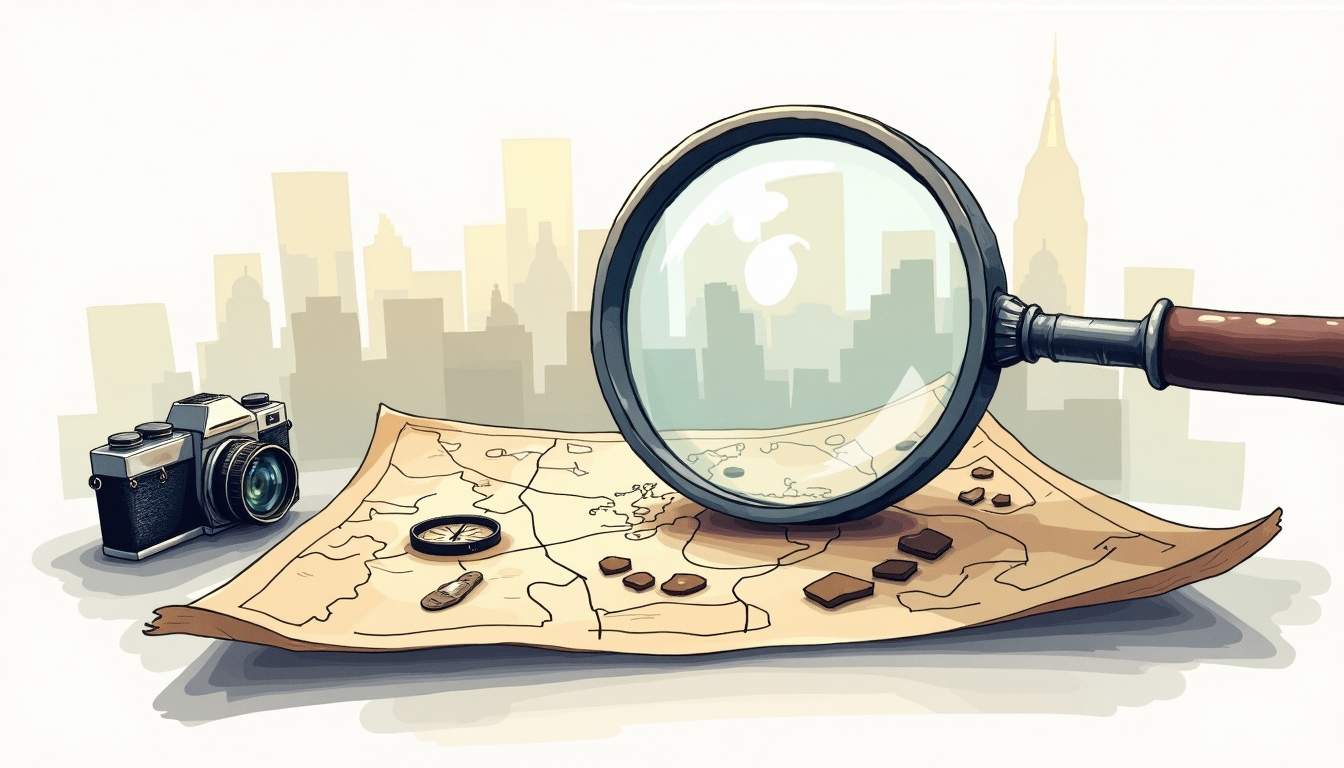
Private investigations blend analytical rigor, discreet fieldwork, and an understanding of human behavior to uncover facts that clients need. Whether dealing with corporate fraud, matrimonial questions, background checks, or missing persons, a comprehensive investigation relies on multiple disciplines: surveillance, digital forensics, interview techniques, public record searches, and legal knowledge. The goal is not sensationalism but clarity—collecting verifiable information, documenting events cleanly, and presenting findings so they can be used in legal proceedings, business decisions, or personal resolution.
Scope and Types of Private Investigations
Private investigations cover a broad range of services. Common assignments include domestic surveillance for suspected infidelity, locating missing persons, conducting asset searches for litigation or debt recovery, corporate investigations into employee theft or intellectual property breaches, and pre-employment background checks. Each assignment type requires a tailored approach because the legal framework, ethical considerations, and evidence standards differ. For example, a corporate investigation might focus on digital trails and chain-of-custody for electronic evidence, while a missing-persons case emphasizes rapid field action and community outreach.
Specialized investigations also exist, such as cybersecurity intrusion tracing, forensic accounting to analyze complex financial records, and insurance fraud probes that combine witness interviews with scene reconstruction. The depth of investigation varies: some cases are resolved with a few days of targeted inquiry, while others involve months of surveillance, data analysis, and coordination with legal counsel. The appropriate scope is determined by client objectives, budget constraints, and legal boundaries. To explore Lauth Investigations’ full range of services, click here.
Moreover, technological advancements have significantly expanded the capabilities within private investigations. The use of drones for aerial surveillance, sophisticated GPS tracking devices, and advanced data mining software enables investigators to collect evidence more efficiently and discreetly. Additionally, behavioral analysis and undercover operations remain vital, especially in cases where direct observation or interaction yields critical insights. Understanding cultural and regional nuances is also essential in international investigations, where differing laws and social norms impact both the approach and the admissibility of evidence.
Collaboration with other professionals such as forensic analysts, legal experts, and cyber specialists often enhances investigative outcomes. For instance, in white-collar crime cases, combining forensic accounting with digital forensics can uncover hidden transactions or data tampering. In family-related investigations, psychological profiling and counseling referrals can provide comprehensive support beyond mere fact-finding. This multidisciplinary approach ensures that investigations are not only thorough but also sensitive to the complexities of each case.
Private vs. Public Investigations: Legal Boundaries
While private investigators perform many tasks similar to law enforcement, jurisdictional and procedural limitations apply. Investigators cannot perform arrests, execute search warrants, or impersonate law enforcement officers. Certain intrusive practices—like unauthorized access to private communications, hacking, or trespass—are illegal and undermine admissibility of evidence. Compliance with privacy laws, wiretap statutes, and industry regulations is essential. Working with legal counsel to understand the admissibility of collected evidence and to ensure lawful conduct protects both the investigator and the client.
Techniques and Methods
Investigation techniques combine traditional fieldcraft with modern technology. Surveillance remains a core skill: long-term observation of subjects, vehicle tracking, and stakeouts. Field notes, time-stamped photographs, and video logs provide a narrative of activity. Modern surveillance employs high-resolution cameras, low-light imaging, and GPS units, though their use must adhere to legal restrictions. Observational skills—reading body language, identifying inconsistencies in accounts, and mapping routines—add context that pure data cannot provide.
Digital forensics is increasingly central as communications, transactions, and evidence shift online. Recovering deleted messages, analyzing metadata, tracing IP addresses, and extracting information from mobile devices are routine. Forensic examination of emails, social media accounts, and cloud storage can reveal motives, timelines, and corroborating details. Chain-of-custody protocols ensure that digital evidence maintains integrity for courts or corporate tribunals. Collaboration with certified forensic analysts is often necessary for high-stakes or highly technical cases.
Interviewing witnesses and subjects is a nuanced art. Open-ended questions, neutral phrasing, and rapport-building elicit truthful information; strategic silence and observation can reveal inconsistencies. Professional investigators document interviews through audio recordings, written statements, and corroborating evidence. Behavioral analysis—spotting microexpressions, detecting evasive answers, and comparing statements to known facts—helps determine credibility. Ethical interviewing practices and consent for recordings vary by jurisdiction, so procedural caution is required.
Open-Source Intelligence and Public Records
Open-source intelligence (OSINT) leverages publicly available information—social media, news archives, property records, corporate filings, and court dockets—to build profiles and timelines. OSINT is cost-effective and often reveals leads that justify deeper investigation. Public records searches disclose addresses, previous employment, litigation history, and asset ownership. When combined with surveillance or forensic data, such records transform scattered details into a coherent picture. Accuracy and up-to-date verification are critical because online information can be outdated or intentionally misleading.
Planning and Strategy
Every investigation should begin with a clear plan that outlines objectives, legal limitations, resources, timeline, and budget. A scoping phase clarifies key questions: What needs to be proven? What outcomes are acceptable to the client? Are there safety risks or legal hurdles? Effective planning prevents wasted effort and ensures that work is defensible in a legal context. It also helps prioritize tasks—whether to pursue immediate surveillance, secure electronic evidence, or coordinate with external experts such as forensic accountants or cybersecurity specialists.
Risk assessment is a crucial element. Investigators evaluate physical safety, potential legal exposure, and reputational risk for the client. High-risk operations—such as entering volatile environments or dealing with organizedcrime elements—require additional safeguards: backup teams, legal notifications, and sometimes collaboration with law enforcement. A risk-mitigated approach reduces harm while preserving investigative integrity.
Documentation and Reporting
Clear, chronological reporting transforms collected data into actionable intelligence. Reports should include verified facts, supporting evidence (photos, logs, documents), an annotated timeline, and an executive summary that highlights critical findings. For legal proceedings, detailed affidavits and evidence chains are necessary. Visual aids—maps, charts, and annotated images—help recipients quickly grasp complex sequences. Reports must be objective: interpretation should be indicated as such, and unverified assumptions clearly labeled. Well-organized documentation increases the value of the investigation and facilitates subsequent legal or operational steps.
Ethics, Confidentiality, and Professional Standards
Ethics and confidentiality are the backbone of professional investigations. Clients expect discretion; investigators must safeguard sensitive information and limit dissemination to necessary parties. Confidentiality agreements and privacy policies protect both client interests and the investigator’s reputation. Ethical considerations also encompass treatment of subjects—respect for privacy, avoidance of harassment, and adherence to the law. Unethical behavior, even if it produces results, can render evidence inadmissible and expose the investigator and client to legal consequences.
Licensing and certification provide benchmarks for competence and accountability. Licensing requirements vary by region but typically require background checks, training, and adherence to regulatory standards. Professional associations offer codes of conduct, continuing education, and peer oversight. Engaging licensed and credentialed professionals increases the likelihood of lawful, high-quality outcomes and assures clients that investigators understand local statutes and best practices.
Case Studies and Illustrative Scenarios
Consider a corporate fraud scenario where a mid-sized company suspects embezzlement. An investigative team conducts financial forensics, examines accounting irregularities, and interviews staff. Analysis of bank transfers and vendor records uncovers a pattern of altered invoices and shell-company payments. Surveillance documents employee behavior outside work hours that corroborates financial evidence. The compiled report and supporting documents enable the company to pursue civil remedies and provide law enforcement with a clear roadmap for prosecution.

In a missing-persons example, a combination of social media analysis, witness interviews, and physical searches leads to locating an individual who had attempted to sever ties with family. Early OSINT efforts identified last known contacts and activity patterns, while field teams canvassed known hangouts and shelters. Respectful engagement and coordination with local services facilitated a safe reunification. The case highlights how timeliness and cross-disciplinary methods increase the odds of a positive outcome.
Costs, Timeframes, and Client Expectations
Investigative fees depend on complexity, required expertise, and geographic scope. Basic background checks or database searches are relatively low-cost and quick, while extended surveillance, forensic analysis, and litigation support can be resource-intensive. Clear up-front communication about expected costs, billing practices, and milestones prevents misunderstandings. Contingency plans for unexpected developments—such as extended surveillance needs or new leads—should be discussed before work begins.

Timeframes are equally variable. Some inquiries resolve in days when records or admissions are readily available; others can take months when evidence is buried, subjects are mobile, or legal processes cause delays. Setting realistic expectations and regular updates helps clients remain informed without micromanaging field activities. Transparency about limitations—what can and cannot be proven—is part of responsible client service.
Choosing the Right Investigator or Firm
Selecting an investigator or investigative firm requires evaluating experience, specialization, legal compliance, and communication style. Experience in the relevant domain—corporate, domestic, digital forensics—matters more than generalist claims. Verify licensing, professional affiliations, and references. Ask about methodologies, success metrics, reporting formats, and how the investigator protects client confidentiality. A good investigator explains risks, possible outcomes, and the legal parameters up front, and provides a written agreement outlining terms of engagement.
Technology capabilities and partnerships are important differentiators. Firms that maintain relationships with forensic labs, legal counsel, and local resources can scale operations and provide a wider array of services. Equally valuable are firms that prioritize clear documentation, ongoing client communication, and ethical practices. The right choice balances technical competence with a proven track record of respectful, lawful investigation.
Conclusion
Comprehensive private investigations provide clarity in uncertain situations, combining fieldwork, digital analysis, and legal awareness to produce reliable, usable evidence. When conducted ethically and within legal boundaries, investigations support justice, business integrity, and personal peace of mind. The interplay of planning, methodical documentation, technological proficiency, and human judgment defines successful outcomes. For those facing complex questions, investing in a reputable investigator increases the chance of a resolute, actionable answer.
Responsible investigative practice emphasizes facts over conjecture, respect for privacy, and adherence to law. Clear objectives, realistic timelines, and transparent costs form the foundation of a productive client-investigator relationship. When those foundations are in place, investigations serve their highest purpose: to illuminate truth and enable informed decisions.