Introduction
In today’s modern industries, automation is the key to speed, accuracy, and safety. One of the most widely used tools in industrial automation is the Programmable Logic Controller (PLC). These systems control machines and processes, replacing manual work with automatic and smart systems. If you’re an engineer or student interested in power or manufacturing systems, learning about Industrial Automation with PLC can open many career doors.
1. What is Industrial Automation?
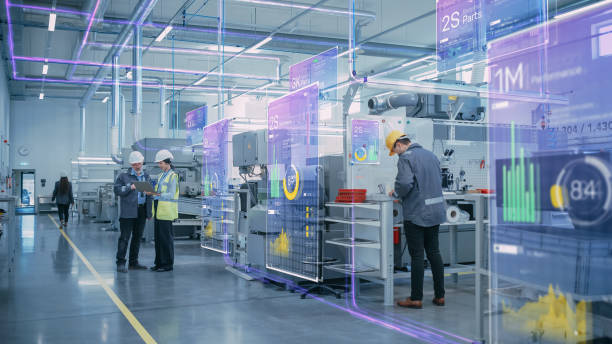
Industrial automation means using control systems like computers, robots, and PLCs to handle different industrial processes and machinery. It reduces the need for human effort and increases production speed and quality.
Benefits:
-
Less human error
-
Consistent product quality
-
Faster production
-
Lower operational cost
2. What is a PLC?
A Programmable Logic Controller (PLC) is a digital computer used for automation of industrial processes. It receives input from sensors and makes decisions based on programmed logic to control machines and output devices.
PLC Basics:
-
Input: sensors, switches, temperature meters
-
Output: motors, lights, relays, alarms
-
Logic: programmed using ladder logic or function block diagrams
3. Real-Life Applications of PLC in Industries
PLCs are used in almost every modern factory or plant. From running conveyor belts to controlling traffic lights, they are everywhere.
Common Industries Using PLC:
-
Power Plants
-
Manufacturing (e.g., packaging machines)
-
Water Treatment Plants
-
Oil and Gas
-
Food & Beverage
4. How PLCs Help Electrical Engineers
As an electrical power engineer, understanding PLCs will give you the skills to automate systems safely and efficiently. Many companies look for engineers who can work with PLCs in:
-
Power distribution systems
-
Renewable energy monitoring
-
Industrial equipment testing
-
Substation automation

FAQs
Q1: Is PLC automation only for big industries?
No. PLCs are also used in small factories, buildings, and smart homes.
Q2: Do I need coding experience to learn PLC?
Not necessarily. Most PLCs use visual programming like ladder logic, which is easy to learn.
Q3: Can fresh graduates get jobs in PLC automation?
Yes! Many companies train fresh engineers if they have basic knowledge of automation and PLC.
For more information visit
📩 Contact Information
👤 Engr. Abbas Imran
📱 WhatsApp: +92 317 5766766
📧 Email: abbasimrankashaf@gmail.com
🔗 LinkedIn: https://www.linkedin.com/in/abbas-imran-/
📷 Instagram: https://www.instagram.com/abbasimran766?igsh=MmdrcHFra3N2dDk0
📘 Facebook: https://www.facebook.com/share/1B5rGs9Wsb/