
Blown-In Cellulose Insulation protects a home by using flame retardant minerals, high material density to block oxygen, and a thick physical barrier that slows the movement of heat. Unlike some materials that melt or drip when heated, this material chars and stays in place. This helps keep a fire contained to a small area for longer, giving families more time to get out safely.
Choosing the right material for an attic or wall is about more than just staying warm. Expert installers like Robert Lamothe know that safety is a top priority for every homeowner. They use their years of experience to help people choose materials that enhance the safety of the entire structure.
This article explains how this loose-fill material works to stop the spread of flames. Many people focus only on their utility bills, but the safety benefits are just as important. They find that homeowners feel much better when they know their attic is packed with a material that resists burning.
Blocking Air and Oxygen Flow
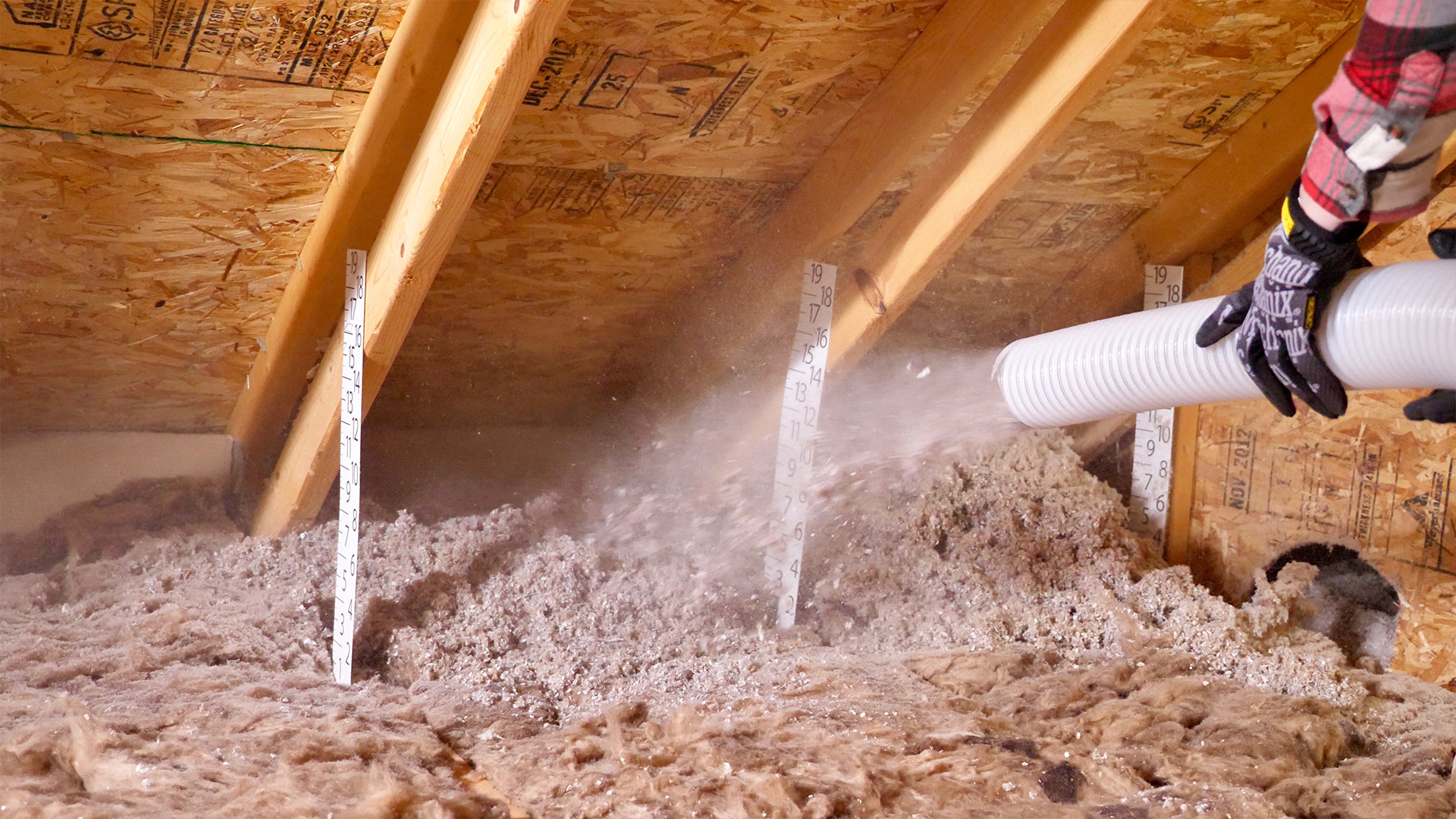
Fire needs oxygen to grow and spread through the hollow spaces in a house. Most walls have empty gaps that act like small chimneys, pulling air upward and helping flames move fast. When these spaces are filled with dense material, the air cannot move as easily.
The high fiber density makes it hard for oxygen to reach the fire. They often find that fires in homes with this material spread much slower than in homes with empty walls. By cutting off the air supply, the material helps starve the fire before it can get out of control.
This blocking effect is a major part of why people choose this option for older homes. Older houses often have many hidden gaps that were never sealed when they were first built. Filling these spots creates a tight seal that protects the home from both cold drafts and fire.
- The material packs tightly around wires and pipes to stop air leaks.
- It fills small cracks where fire usually moves between floors.
- Dense fibers stay in place and do not sag over time.
- A tight seal at the top of the house stops the upward pull of air.
The Role of Material Density
Density is the amount of material packed into a given volume. When installers use a machine to blow the fibers into a wall, they pack it in under pressure. This creates a solid wall of fibers that fire cannot easily push through or get around.
Preventing the Chimney Effect
The chimney effect occurs when warm air rises, drawing in more air from below. In a fire, this can turn a small flame into a big one very quickly. A dense pack of fibers stops this movement and keeps the fire from racing up the walls.
Bonus Tip on Attic Hatches
They suggest adding a thick layer of protection to the top of the attic hatch. This is often a weak spot in the ceiling where fire can break through. Using a specialized cover or a heavy layer of fibers makes this spot just as strong as the rest of the ceiling.
Flame Retardant Mineral Treatments
The paper fibers used in this material are treated with special minerals like borates. These minerals are very effective at stopping the spread of flames. When the material is hit by high heat, the minerals react by releasing moisture or forming a protective layer.
This treatment makes the material much safer than standard wood or paper products. It is designed to meet strict safety codes that require materials to resist burning for a specific amount of time. They explain that this gives the fire department more time to arrive and put out the fire.
Even though it is made from recycled paper, the final product is very hard to set on fire. It does not produce the same heavy smoke that some plastic materials do. This helps keep the air inside the house clearer during an emergency.
Charring versus Melting
When some materials get hot, they melt and drip, which can start new fires in other parts of the house. Cellulose does not melt because of its treatment. Instead, it forms a black char on the outside that helps protect the rest of the material inside.
Slowing Heat Movement Through Walls
Heat moves through a house in several ways, but a thick barrier can slow it down. During a fire, the temperature can rise to thousands of degrees very quickly. A thick layer of fibers acts as a shield, preventing this heat from reaching the house’s wooden frame.
By keeping the wooden studs cool for a longer time, the material helps the house stay standing. This is a big deal for safety because it prevents the roof or floors from falling in too soon. They often see that homes with this protection have much less structural damage after a fire.
When choosing a material for an attic, Blown-In Cellulose Insulation offers a cost-effective way to improve both comfort and safety. It provides a level of heat resistance that is hard to match with thinner products. This makes it a great choice for both new and old buildings.
|
Feature |
Cellulose |
Fiberglass |
|---|---|---|
|
Fire Reaction |
Chars and Stays |
Melts and Sag |
|
Air Blocking |
High Density |
Low Density |
|
Air Movement |
Blocks Drafts |
Allows Air Pass |
|
Material Type |
Treated Paper |
Glass Fibers |
Shielding the Wooden Frame
The wooden studs in a wall are the bones of the house. If they get too hot, they lose their strength and can break. The fibers wrap around these studs and act as a thermal blanket that keeps them safe from the intense heat of a fire.
Bonus Tip on Electrical Boxes
They recommend checking the area around electrical outlets before adding new material. Fires often start in old wiring, so sealing these boxes with a fire-rated foam before blowing in the fibers adds an extra layer of safety.
Regional Standards for Massachusetts Homes
Homeowners in Springfield and other parts of Massachusetts must follow specific building rules. These rules are in place to ensure every home can withstand a fire long enough for people to get out. Local professionals stay up to date on these rules to ensure every job is done correctly.
Things to Consider Before Making a Decision
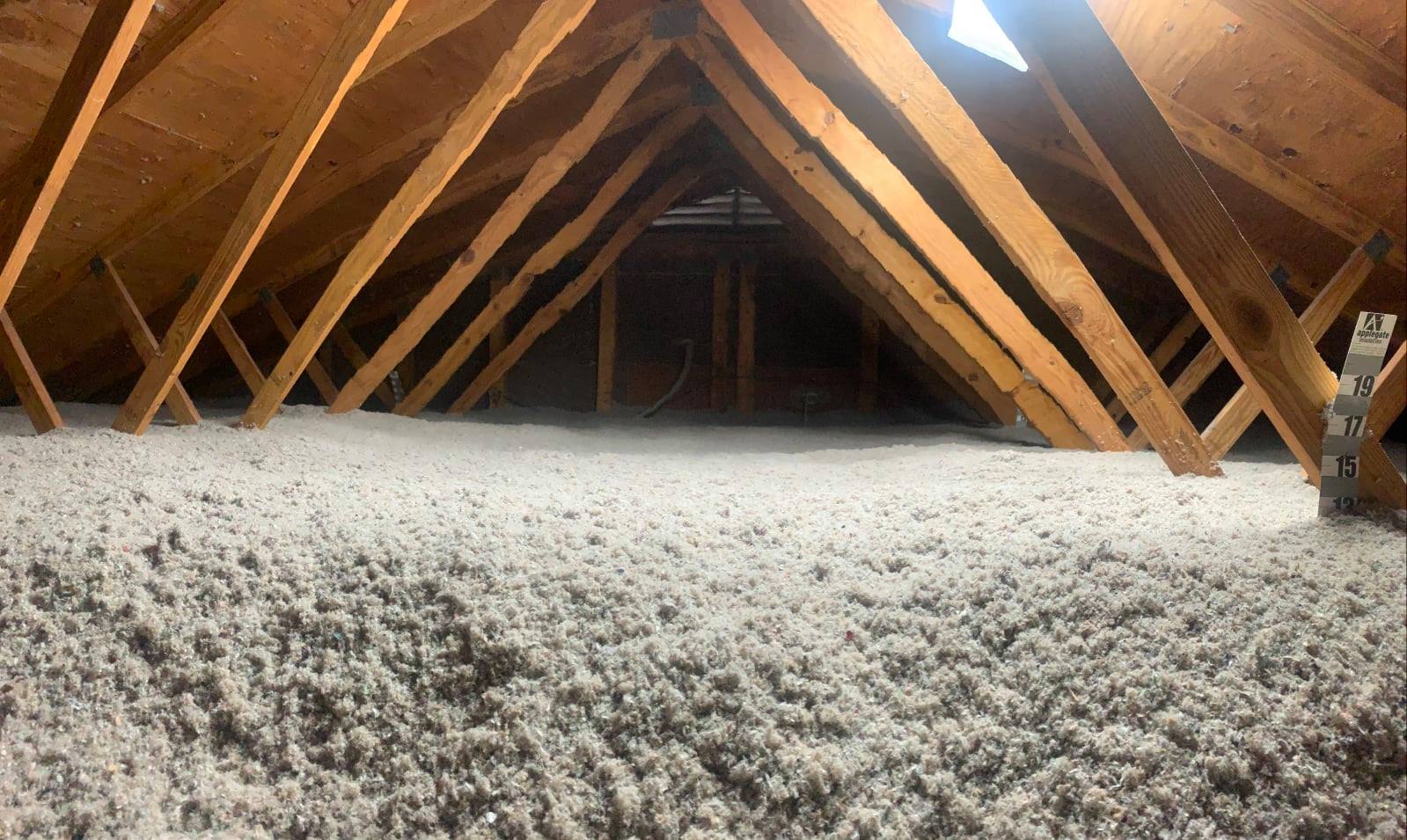
Before picking a material, it is important to think about the age of the house. Older homes often have wiring that needs to be checked before any work starts. Homeowners should also consider the material’s weight and whether the ceiling can support it.
They suggest having a professional inspect the attic floor to ensure there are no leaks or rot. If the roof is leaking, it must be fixed first so the new material stays dry and effective. Taking the time to plan the project will lead to better results and a safer home.
- Check for any signs of past fires or charred wood in the attic.
- Evaluate the current depth of the material to see if you need a full refresh.
- Ask the installer about the specific fire rating of the product they use.
- Consider both the sound and safety benefits.
Questions People Asks About Home Fire Safety
Can cellulose insulation catch fire?
It is very hard for this material to catch fire because it is treated with borates. While it is made of paper, the minerals prevent it from burning like normal paper. In most tests, it will only char even when a torch is held directly against it.
How does density help in a fire?
High density means there are no big pockets of air inside the walls. Fire needs air to stay alive and move. By packing the material in tight, you remove the pathways that flames use to travel through the house.
Is mineral treatment safe for my family?
Yes, the minerals used are generally safe for people and pets. They have been used for a long time to protect homes from fire and insects. Once the material is installed, it stays in the walls and does not move into the air.
Will this material help me save on insurance?
Some insurance companies give discounts for homes with fire-resistant upgrades. It is a good idea to call your agent and tell them about the new material. They may be able to lower your monthly cost because the home is now safer.
Does it protect the house from bugs too?
The same minerals that stop fire also help keep bugs away. Borates are highly toxic to ants, cockroaches, and silverfish. This means your home is protected from fire and pests at the same time.
Final Advice for Homeowners
Choosing a fire-resistant material is a smart way to protect your family and your house. It provides a solid barrier that blocks air, resists flames, and slows down heat. This leads to a safer building that stays comfortable and quiet throughout the year.
They suggest that everyone should evaluate their home’s safety once a year. Checking the attic and walls is a big part of that process. Taking small steps now can make a massive difference if an emergency ever occurs.
Contact Information for Reliable Service
For those who want to improve their home’s safety and comfort, expert help is available. Lamothe Insulation provides high-quality services to help you protect your building from fire and energy loss. Their team has the experience to ensure every job meets the highest safety standards. To learn more about their work or to get a quote, contact them at (508) 847-0119. You can also send an email to LamotheInsulation@gmail.com for more information. They are ready to help you create a safer and more efficient home for your family.
Author: With over two decades of hands-on experience, Robert Lamothe, owner and lead installer of Lamothe Insulation, brings expertise in spray foam insulation, carpentry, and building science. Since 2002, he has earned a reputation for precision and delivering energy-efficient solutions.
Reviewer: Ethan Taylor has 8 years of experience in spray foam insulation. He reviewed this content to suggest ways to simplify business outreach while maintaining trust and professionalism.

