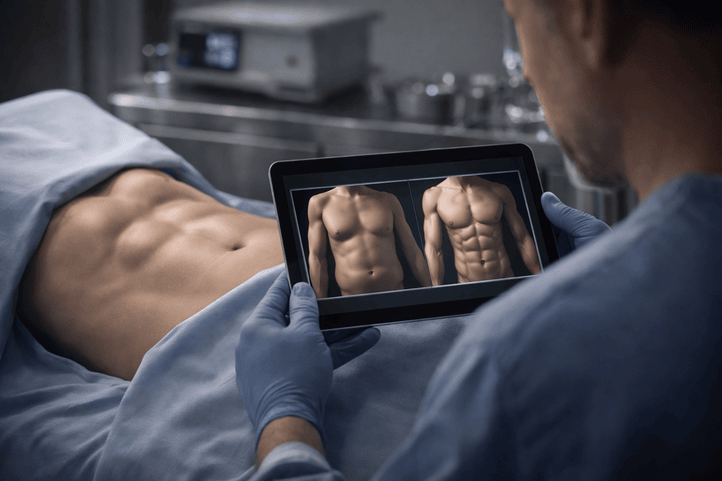
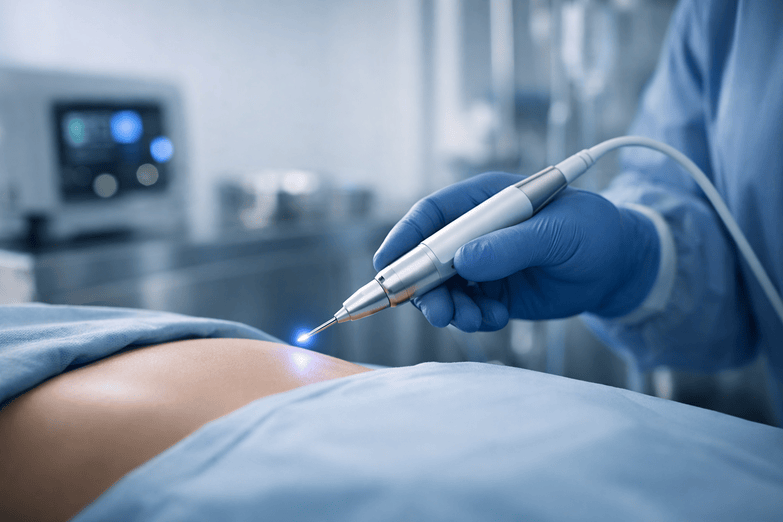
Stubborn fat can be frustrating—especially when it doesn’t respond to diet or workouts. Laser liposuction is designed for exactly that problem. It’s a body-contouring procedure that removes targeted fat deposits while also using laser energy to help tighten the overlying skin. Unlike traditional liposuction, which relies mainly on suction to remove fat, laser liposuction adds a thermal step that can improve contour definition and skin retraction in selected patients.
At Liv Hospital, laser liposuction is treated as a precision reshaping procedure, not a weight-loss shortcut. The focus is on sculpting natural proportions with safe technique and realistic goals.
What Is Laser Liposuction?
Laser liposuction is a minimally invasive fat-removal procedure that uses laser energy to break down fat cells before they are suctioned out through a small cannula. The heat from the laser also stimulates collagen remodeling, which may improve firmness and skin tightening—an important advantage for patients worried about loose skin after fat removal.
For the official treatment overview, visit PLASTIC SURGERY Laser Liposuction.
How Laser Liposuction Works (Step-by-Step)
While device types can vary, most laser liposuction treatments follow a similar medical process:
1) Planning and Marking
Your surgeon evaluates fat distribution, skin quality, and symmetry. The target areas are marked while standing, because body contours shift when lying down.
2) Local Anesthesia (Usually Tumescent Technique)
A numbing solution is infused into the treatment area. This reduces pain, helps minimize bleeding, and makes fat removal smoother.
3) Laser-Assisted Fat Breakdown
A thin fiber delivers laser energy into the fat layer. The heat helps liquefy or loosen fat cells, making them easier to remove with less manual force.
4) Fat Removal (Aspiration)
The softened fat is gently suctioned out using a cannula. This step shapes the contour—removing too much or too unevenly can lead to dents, so precision matters.
5) Compression and Recovery
A compression garment is applied to reduce swelling and help the tissues adhere smoothly to the new shape.
Which Areas Can Be Treated?
Laser liposuction is commonly chosen for smaller to moderate zones where contour refinement matters most, such as:
- Abdomen and waist (“love handles”)
- Upper arms
- Inner/outer thighs
- Chin and jawline (submental area)
- Back rolls / bra line area
- Knees
- Male chest (in select gynecomastia cases, when appropriate)
Your surgeon’s choice depends on how much fat is present, the thickness of the fat layer, and how elastic the skin is.
Who Is a Good Candidate?
Laser liposuction tends to work best when the goal is shaping—not major weight reduction. You may be a good candidate if:
- You are near your stable weight but have localized fat pockets
- Your skin has reasonable elasticity (so it can retract after fat removal)
- You want contour definition rather than “overall slimming”
- You can commit to aftercare (compression garment, walking, follow-up visits)
It may not be ideal if the main concern is significant loose skin (which might require surgical tightening), or if the fat layer is extremely large—where other approaches may be more effective.
Laser Liposuction vs Traditional Liposuction: What’s Different?
Both procedures remove fat, but their strengths can differ:
Laser Liposuction may offer:
- Easier fat breakdown in fibrous areas
- Potential skin-tightening support due to heat-induced collagen response
- More controlled contouring for small-to-medium zones
Traditional Liposuction may be preferred for:
- Larger-volume fat removal
- Wider areas needing significant debulking
- Situations where skin tightening is not expected from energy-based devices
In many practices, the best approach is chosen based on anatomy rather than marketing terms.
What Recovery Looks Like
Most people experience:
- Swelling and soreness (similar to an intense workout ache)
- Bruising (usually improves over 1–3 weeks)
- A “tight” or “firm” sensation in treated areas
- Temporary numbness or sensitivity changes
Typical recovery rhythm:
- Light walking: same day or next day
- Back to desk work: often within several days (varies by extent)
- Exercise: commonly after a few weeks, based on surgeon guidance
- Final results: swelling gradually resolves over 6–12 weeks (sometimes longer)
Compression garments play a huge role in smooth healing and reducing uneven swelling.
Results: What You Can Realistically Expect
Laser liposuction can create noticeable contour improvement, especially in clothing fit and body silhouette. The best results usually look “natural”—not over-sculpted. Outcomes depend on:
- skin elasticity and collagen response
- fat distribution and symmetry
- surgeon technique
- aftercare consistency
- maintaining stable weight afterward
One important point: fat cells removed do not return, but remaining fat cells can still enlarge if weight is gained later.
Risks and Safety Considerations
Like all procedures, laser liposuction has risks, and choosing a proper medical setting matters. Potential complications can include:
- contour irregularities (lumps/indentations)
- burns (due to thermal energy, if not properly controlled)
- infection or fluid collection (seroma)
- prolonged swelling or numbness
- blood clots (rare but serious—walking early helps reduce risk)
A structured consultation helps determine suitability and minimize avoidable risks.
Maintaining Results Long-Term
Laser liposuction reshapes the body, but maintenance is what keeps it looking consistent. Balanced nutrition, steady activity, hydration, and good sleep are often the difference between results that fade and results that last.
If you want supportive lifestyle guidance to stay consistent after aesthetic procedures, you can explore wellness routines and practical tips at live and feel.