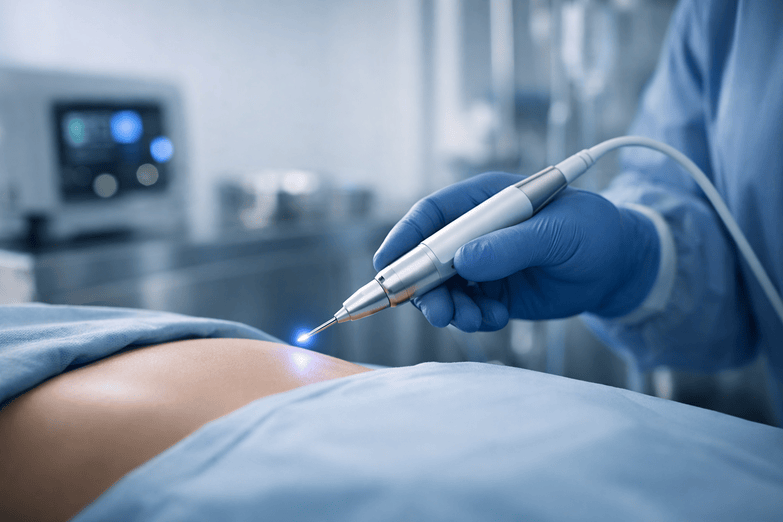
Labiaplasty is one of the most personal procedures in plastic surgery because it sits at the intersection of comfort, body confidence, and intimate wellbeing. While many people assume it is only about appearance, the most common motivation is often practical: reducing irritation, friction, and daily discomfort caused by enlarged or uneven labial tissue.
At Liv Hospital, labiaplasty is approached as a precision procedure with a clear priority—achieve a natural-looking result while protecting function and sensation.
What Is Labiaplasty (In Simple Terms)?
Labiaplasty is a surgical procedure that reshapes the labia—most commonly the labia minora (inner lips), and in some cases the labia majora (outer lips). The purpose is to reduce excess tissue, correct asymmetry, and improve comfort during everyday activities like walking, exercising, cycling, or wearing fitted clothing.
For the official page, visit PLASTIC SURGERY Labiaplasty.
Common Reasons People Consider Labiaplasty
There isn’t one “right” reason—people choose labiaplasty for different combinations of functional and aesthetic goals:
- Friction and irritation during walking, cycling, or workouts
- Discomfort in tight clothing (leggings, swimsuits, underwear)
- Labial twisting or pulling during movement or intimacy
- Hygiene challenges due to deep folds trapping moisture
- Asymmetry where one side is noticeably longer than the other
- Confidence concerns that impact intimacy or self-image
A good consultation focuses on your concerns, not a “standard” look.
Understanding Natural Anatomy (And Why “Normal” Has a Wide Range)
One of the most important things patients hear during an ethical consultation is this: there is huge natural variation in vulvar anatomy. Labia can differ in length, thickness, color, and symmetry—and all of these can be normal.
The role of surgery isn’t to force a one-size-fits-all appearance. It’s to reduce the specific tissue that causes discomfort or distress while maintaining healthy function and a balanced look.
Technique Options: How Surgeons Choose the Best Approach
Labiaplasty is not one single method. The technique is chosen based on your anatomy, goals, and tissue characteristics.
1) Trim Technique (Edge Reduction)
This approach removes excess tissue along the labial edge. It can be useful when the outer border is thick, elongated, or irregular. The surgeon reshapes the rim to create a smoother contour.
Often chosen when:
- the edge is the main concern (length or irregularity)
- a simpler, direct reduction is appropriate
2) Wedge Technique (Central Reduction)
A wedge of tissue is removed from the thickest section, and the edges are closed carefully. This can preserve the natural rim appearance and texture.
Often chosen when:
- the patient wants to preserve the natural edge
- reduction is needed mainly in overall bulk/projection
3) Additional Refinements (When Needed)
Some patients benefit from complementary adjustments—only when indicated:
- Clitoral hood reduction (to address excess hood skin and keep balance)
- Labia majora reduction or tightening (for sagging/deflation, sometimes after weight loss)
The key is harmony: surgeons aim to avoid a “top-heavy” look (hood tissue excess) or an overly reduced appearance.
What the Consultation Should Cover
A proper pre-op consultation isn’t rushed. It typically includes:
- medical history review (bleeding risk, infections, healing concerns)
- discussion of symptoms and lifestyle triggers (sports, clothing discomfort, hygiene issues)
- anatomical assessment (tissue thickness, symmetry, hood involvement)
- realistic goal-setting (natural outcome, functional priorities)
- aftercare planning and recovery timeline
This step is where patients avoid regrets—because expectations get aligned early.
Sensation and Safety: The Most Important Topic
A well-performed labiaplasty prioritizes nerve preservation and safe tissue handling. The labia and surrounding area have rich sensory anatomy. Ethical technique avoids deep dissection near sensitive nerve pathways and focuses on precise reshaping of external tissue layers.
If a clinic minimizes this topic, that’s a red flag. A high-standard approach treats sensation and function as non-negotiable.
Recovery and Healing: What to Expect
Recovery varies by technique and individual healing, but most patients experience:
- swelling and tenderness in the early days
- mild spotting or drainage
- sensitivity to friction (tight clothing is avoided early)
- gradual improvement in comfort week by week
Common aftercare steps include:
- keeping the area clean and dry
- wearing loose cotton underwear
- avoiding strenuous exercise and intimacy temporarily
- attending follow-ups to monitor healing
Most swelling settles significantly within weeks, but final refinement can take longer as tissues fully soften and stabilize.
Results: What “Good” Looks Like
A successful labiaplasty result typically means:
- less friction and irritation in daily life
- improved comfort during exercise and intimacy
- natural symmetry (not necessarily “perfect mirror” symmetry)
- an appearance that fits your anatomy—without looking over-trimmed
The best outcomes look unforced—like you, just more comfortable.
Supporting Confidence and Wellbeing Long-Term
Many patients find that results are easier to enjoy when recovery includes good sleep, hydration, gentle movement, and stress management—because healing is not only physical, it’s also emotional.If you’d like practical wellbeing content and lifestyle routines to support recovery confidence (only mentioned here as requested in the final paragraph), you can explore live and feel.