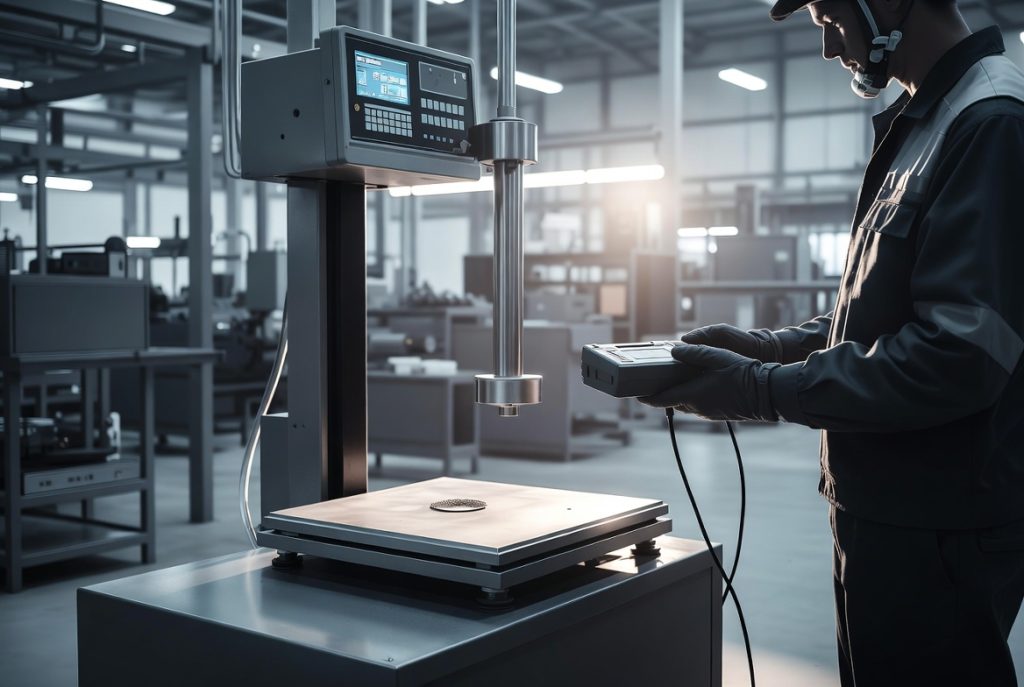
Commercial water treatment has become a vital sector in Sri Lanka’s development, supporting industries, hotels, hospitals, and other large-scale facilities that rely on consistent, high-quality water supply. With rapid urbanization and industrial growth, the demand for advanced purification and filtration systems has surged, making this industry more innovative than ever. The growing number of successful projects shows just how far water treatment in Sri Lanka has progressed.
Businesses now partner with specialized providers such as water treatment Sri Lanka service companies to design solutions tailored to their operational needs. These partnerships not only improve water quality but also help organizations cut costs, meet regulatory standards, and embrace sustainable practices.
Why Commercial Water Treatment Matters
For industries and commercial establishments, water quality is not just a health requirement—it’s a business necessity. In the hospitality sector, poor water quality can harm guest satisfaction. For food processing plants, untreated water can cause contamination issues and disrupt production. For manufacturing facilities, impurities can damage machinery and reduce product quality.
High-quality water treatment systems:
-
Ensure compliance with health and safety standards.
-
Reduce maintenance costs by preventing scale and corrosion.
-
Increase efficiency in production processes.
-
Support environmental sustainability through reduced waste and recycling.
Case Study 1: Hotel Chain in Colombo
One of Colombo’s leading luxury hotel chains faced frequent complaints from guests about the taste and appearance of water served in their restaurants and rooms. Even though the municipal water supply met basic standards, the hotel needed a higher level of purification to meet its brand image.
Solution:
The hotel installed a multi-stage filtration system including activated carbon filters, UV disinfection, and reverse osmosis (RO) units. The system was designed and installed by a local water treatment specialist with expertise in hospitality solutions.
Results:
-
Improved guest satisfaction scores related to water quality.
-
Reduced mineral buildup in kitchen appliances and plumbing.
-
Achieved consistent water purity levels across all outlets.
Case Study 2: Bottled Water Manufacturer in Gampaha
A bottled water company in Gampaha wanted to upgrade its production line to meet export requirements. The challenge was ensuring that every batch met strict international water quality standards while maintaining high output.
Solution:
A fully automated treatment line was introduced, featuring sediment filters, RO membranes, ozonation, and continuous online monitoring. The system allowed for quick detection of any deviations in water quality.
Results:
-
Achieved certification for export to multiple countries.
-
Increased production capacity without compromising quality.
-
Lowered operational downtime due to the automation of key processes.
Case Study 3: Textile Factory in Kandy
Textile manufacturing requires large volumes of water, particularly for dyeing processes. However, untreated water with high mineral content was causing color inconsistencies in fabrics and clogging machinery.
Solution:
The factory partnered with a commercial water treatment in Sri Lanka provider to install a custom softening and filtration system. The setup removed hardness-causing minerals and provided stable water chemistry for dyeing.
Results:
-
Reduced rejects due to color inconsistency.
-
Lowered maintenance costs for dyeing machines.
-
Improved efficiency in chemical usage.
Case Study 4: Hospital in Matara
Hospitals need high-purity water for dialysis units, laboratory work, and cleaning sensitive medical equipment. A public hospital in Matara was experiencing scale buildup in its dialysis machines due to untreated municipal water.
Solution:
A specialized medical-grade water treatment system was installed, including ultrafiltration and RO units with redundant safety features. The system was tailored for healthcare standards and compliance.
Results:
-
Increased reliability of dialysis equipment.
-
Reduced patient risk from waterborne contaminants.
-
Extended the lifespan of sensitive medical devices.
Key Trends in Commercial Water Treatment
From these case studies, several trends in commercial water treatment are clear:
-
Customization is Key: Each industry has unique water needs, requiring tailor-made systems.
-
Automation and Monitoring: Smart systems with real-time monitoring reduce the risk of contamination and improve operational efficiency.
-
Sustainability: Businesses are moving toward systems that recycle wastewater and reduce chemical usage.
-
Regulatory Compliance: Meeting both local and international standards is now a driving force for upgrades.
Challenges in the Commercial Sector
While commercial water treatment offers significant benefits, companies face common challenges:
-
High Initial Investment: Advanced systems require substantial capital, which can be a barrier for small businesses.
-
Technical Expertise: Maintaining and troubleshooting complex systems requires skilled technicians.
-
Water Source Variability: Fluctuations in raw water quality demand flexible treatment solutions.
-
Energy Costs: Energy-intensive processes like RO can increase operational expenses.
The Role of Local Providers
Local water treatment companies play an essential role in making advanced solutions accessible to Sri Lankan businesses. They offer:
-
On-site assessments and custom designs.
-
Competitive pricing compared to imported systems.
-
Local after-sales service and spare parts availability.
-
Knowledge of local water conditions and regulations.
By leveraging this expertise, businesses can implement high-performing systems without the challenges of relying solely on foreign suppliers.
Looking Ahead: The Future of Commercial Water Treatment in Sri Lanka
The future is likely to see:
-
More Renewable Energy Integration: Solar-powered treatment units to cut costs and carbon footprints.
-
Expansion into Rural Industries: Smaller factories and farms adopting advanced systems as prices become more competitive.
-
Wider Use of IoT Technology: Cloud-based monitoring for proactive maintenance.
-
Greater Focus on Recycling: Closed-loop water systems becoming standard in industries with high consumption.
These advancements will not only improve water quality but also contribute to broader environmental goals, such as reducing water waste and pollution.
Conclusion
Commercial water treatment is a cornerstone of Sri Lanka’s industrial and service sectors, ensuring safe, high-quality water for a wide range of applications. Through partnerships with skilled local providers, businesses are adopting innovative systems that enhance efficiency, protect health, and meet stringent quality standards.
The success stories from hotels, factories, and hospitals prove that investing in water treatment in Sri Lanka is not just about compliance—it’s about achieving long-term operational excellence. With technology evolving rapidly, the country’s commercial water treatment sector is poised for even greater achievements in the years ahead.