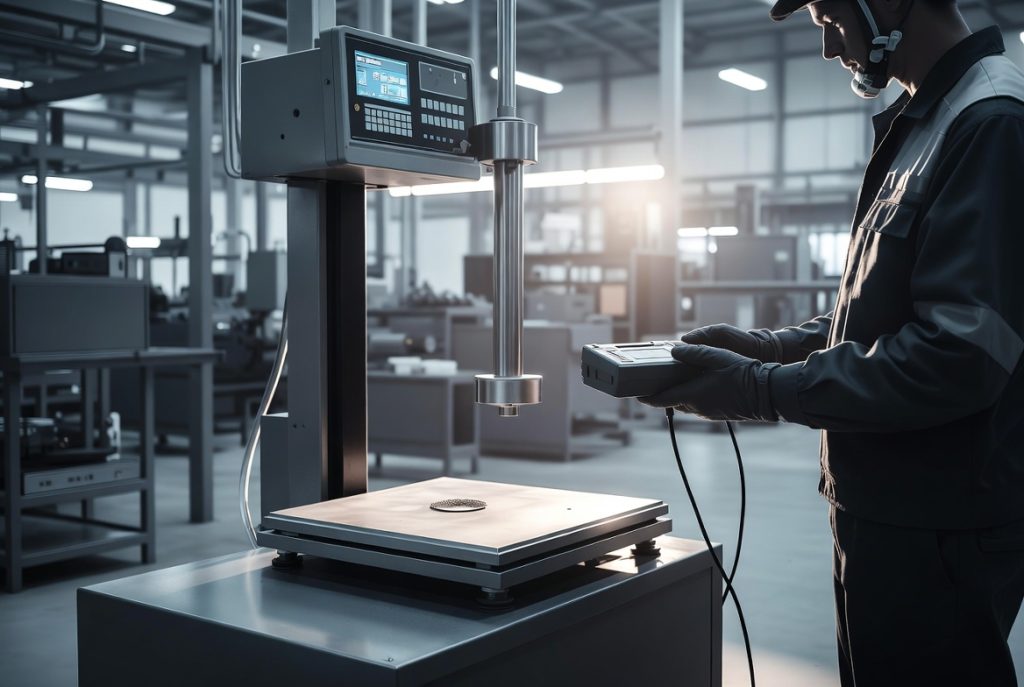
In modern manufacturing, precision and durability are essential when producing components for high-performance industries. One of the most effective methods to achieve these results is through Ceramic CNC Machining, which allows manufacturers to create complex, high-tolerance parts from advanced ceramic materials. These parts are widely used in electronics, aerospace, automotive, and medical industries due to their excellent thermal resistance, wear resistance, and structural integrity. Understanding how ceramic CNC machining works and its advantages can help engineers, designers, and procurement teams make better decisions when sourcing specialized components.
Understanding Ceramic CNC Machining and Its Applications
Ceramic CNC machining refers to the process of using computer-controlled equipment to shape and finish ceramic materials into precise parts. Unlike metals or plastics, ceramics have unique properties that make them both challenging and rewarding to machine. They are extremely hard, resistant to high temperatures, and chemically stable, which makes them ideal for use in harsh environments where traditional materials might fail.
In electronics, ceramics are used for insulating components that must withstand high voltages and extreme heat. In aerospace, ceramic parts can handle the demanding conditions of turbine engines or spacecraft systems. In the medical field, ceramics are found in dental implants, surgical instruments, and diagnostic devices due to their biocompatibility and wear resistance.
The ability to produce such components with exceptional precision is what makes ceramic CNC machining valuable. Computer-controlled processes ensure consistent results, tight tolerances, and repeatability, all of which are critical in industries where even the smallest defect could cause a failure.
Types of Ceramics Used in CNC Machining
Several ceramic materials are commonly used in CNC machining, each offering distinct benefits. Alumina ceramics are known for their electrical insulation and mechanical strength. Zirconia ceramics provide exceptional toughness and fracture resistance, making them ideal for mechanical applications. Silicon carbide ceramics excel in wear resistance and thermal conductivity, while silicon nitride ceramics are preferred in high-stress mechanical environments due to their toughness and low thermal expansion.
By selecting the right ceramic material, manufacturers can optimize the performance of their parts while reducing long-term maintenance costs.
Advantages of CNC Machining for Ceramic Components
CNC machining offers several benefits for producing ceramic parts, many of which are unmatched by other manufacturing methods. One of the most significant advantages is the ability to maintain extremely tight tolerances. CNC systems operate with high repeatability, which is crucial when producing parts for industries like aerospace or medical devices where precision is non-negotiable.
Another advantage is the ability to create complex geometries. Ceramic components often require intricate shapes and fine details, which are difficult to achieve through manual processes. CNC machining allows for multi-axis movement, enabling the creation of detailed features without compromising structural integrity.
Speed and efficiency are also key benefits. CNC machines can operate continuously with minimal human intervention, ensuring faster turnaround times. This is particularly important for businesses looking to meet demanding project deadlines while maintaining quality.
Surface Finishing and Post-Processing
Ceramic CNC machining also provides superior surface finishes. Post-processing techniques such as grinding, polishing, and coating can further enhance the part’s performance by reducing friction, improving wear resistance, or adding protective layers. These finishing steps are crucial for applications in which the surface quality directly impacts performance, such as sealing components in high-pressure environments.
Choosing the Right Partner for Ceramic CNC Machining
Finding the right machining partner is essential for ensuring high-quality ceramic components. A reliable manufacturer will have the specialized tools, expertise, and experience needed to handle the unique challenges of machining ceramics. Not all CNC service providers have the capability to work with these materials, as they require advanced equipment and specific knowledge to prevent cracking, chipping, or dimensional inaccuracies.
When evaluating a service provider, consider their track record in delivering precision ceramic parts, their range of material options, and their ability to provide customized solutions. It’s also beneficial to work with a partner who offers end-to-end services, from material selection and prototyping to final inspection and delivery.
Quality Control and Certification
Quality control is critical in ceramic CNC machining. Reputable providers follow strict inspection protocols and use advanced measurement tools to verify that each part meets specifications. For industries like medical devices or aerospace, compliance with relevant certifications, such as ISO standards, ensures that the components are not only precise but also safe and reliable.
Conclusion
Ceramic CNC machining plays a vital role in producing high-precision components for industries that demand durability, accuracy, and performance under extreme conditions. By combining advanced materials with computer-controlled manufacturing, businesses can achieve exceptional results that meet the highest industry standards. Choosing a skilled and experienced machining partner ensures that every ceramic part delivers the intended performance, helping companies remain competitive in challenging markets.