In today’s fast-paced world, healthcare is no longer limited to hospitals and clinics. With the growth of mobile technology, patients are finding new ways to manage their health from the comfort of their homes. One of the biggest developments in this area is the rise of pharmacy app solutions. These apps are changing how patients interact with their medications and healthcare providers. From prescription reminders to online consultations, pharmacy apps are improving patient engagement and medication adherence in ways that were not possible before. In this blog, we’ll explore how these digital tools are making a real difference in healthcare.
Understanding Patient Engagement and Adherence
Before diving into the features of pharmacy apps, it’s important to understand what we mean by patient engagement and adherence. Patient engagement refers to how involved a patient is in managing their own health. It includes actions like tracking medications, setting reminders, reading up on side effects, and following up with healthcare providers. On the other hand, medication adherence is about how well patients follow their prescribed treatment plans. This means taking medications at the right time, in the right dose, and for the correct duration. When patients are engaged and adhere to their medications, they have better health outcomes and fewer hospital visits.

The Role of Pharmacy Apps in Improving Engagement
Easy Access to Medication Information
One of the main reasons patients fail to take their medication properly is that they don’t fully understand what they’re taking or why. Pharmacy apps solve this problem by providing detailed information about each medicine. Users can view the purpose of the drug, how to take it, what side effects to expect, and any warnings. This knowledge builds trust and encourages patients to take their treatment seriously.
Personalized Reminders
People often forget to take their medicines, especially if they have a complex routine with multiple prescriptions. Pharmacy apps come with built-in reminder systems that notify users when it’s time for their next dose. These reminders can be customized based on the patient’s schedule and can even alert caregivers if a dose is missed. Regular reminders help patients stay on track and reduce the chances of skipping important medications.
Medication Tracking
Another helpful feature of pharmacy apps is the ability to track medication usage. Patients can log when they take each dose and monitor their progress over time. Some apps even allow users to share this data with their doctor or pharmacist. This real-time tracking helps healthcare providers offer better guidance and adjust treatment plans as needed.
Boosting Patient Adherence with Digital Tools
Prescription Refill Alerts
Running out of medicine is a common reason for missed doses. Pharmacy apps fix this by sending refill reminders before the current supply runs out. Users can order refills through the app with just a few taps, avoiding the stress of last-minute pharmacy visits. Automated refills make it easier to stick to the prescribed routine without interruption.
Online Consultations
Sometimes, patients stop taking a medication because of side effects or doubts about the treatment. Instead of waiting for a doctor’s appointment, pharmacy apps now offer quick consultations with licensed pharmacists or healthcare professionals. Whether through chat, audio, or video calls, patients can get answers to their questions and reassurance about their medications. This support builds confidence and reduces the chances of non-adherence.
Home Delivery Services
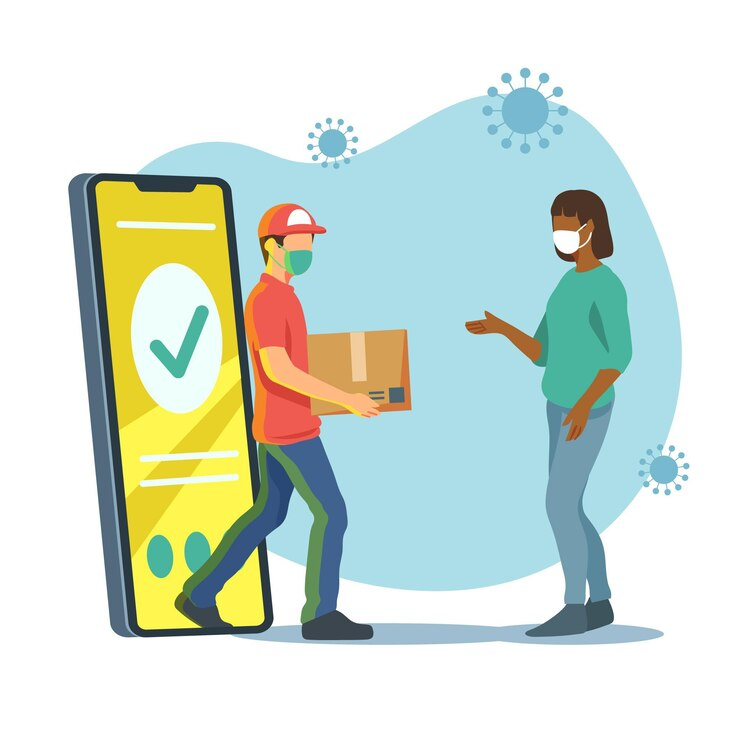
Getting to the pharmacy can be a challenge for elderly patients, people with disabilities, or those living in remote areas. By offering home delivery, pharmacy apps remove this barrier. Users can place an order and get their medicines delivered within hours or days. The convenience of doorstep delivery encourages patients to stick with their treatment plans and stay consistent.
Encouraging Long-Term Health Habits
Health Education and Tips
Some pharmacy apps go beyond basic features and provide useful content like blogs, health tips, and videos. These resources help patients understand their condition, learn how to manage side effects, and make better lifestyle choices. When patients are well-informed, they are more likely to follow their treatment plan and stay engaged with their health.
Integration with Wearables
Modern pharmacy apps can also sync with smartwatches and fitness trackers. This integration allows users to keep track of other health data like heart rate, blood pressure, and sleep. Combined with medication tracking, this gives patients a full picture of their health and motivates them to stay on track.
Support for Chronic Conditions
Pharmacy apps are especially helpful for people with long-term illnesses like diabetes, asthma, or hypertension. Managing chronic conditions requires strict adherence to medication and regular monitoring. With features like dosage tracking, appointment scheduling, and specialist consultations, these apps make it easier for patients to handle their condition effectively.
Read More: Custom Healthcare Software Development Solutions
Benefits for Healthcare Providers and Pharmacies
Better Communication with Patients
Pharmacy apps help pharmacies and healthcare providers stay connected with patients. Through push notifications, messages, or in-app updates, they can send important information like dosage changes or health alerts. Improved communication leads to better patient satisfaction and long-term loyalty.
Real-Time Data for Better Decisions
With access to medication logs and usage patterns, providers can make smarter decisions about treatment plans. They can identify gaps in adherence, suggest alternative drugs, or adjust dosages—all based on real data collected through the app.
Operational Efficiency
By automating tasks like prescription uploads, refills, and inventory updates, pharmacy apps reduce the workload for staff. This lets them focus more on patient care rather than routine administrative duties.
Conclusion
Pharmacy app solutions are transforming the way patients manage their health. By improving engagement and encouraging adherence, these apps are helping people live healthier lives with less stress. From personalized reminders and refill alerts to online consultations and home deliveries, every feature is designed to support the patient journey. These digital tools not only benefit users but also offer great value to pharmacies and healthcare providers. In a world where technology continues to reshape healthcare, partnering with a reliable on-demand app development company can help you build a pharmacy app that meets modern needs and stands out in the competitive market. Whether you’re starting from scratch or upgrading an existing solution, now is the perfect time to invest in a smart and effective pharmacy app.
FAQs
What is patient adherence, and why is it important?
Patient adherence means following a prescribed treatment plan correctly, including taking medications on time and as directed. It’s important because it leads to better health outcomes and avoids complications.
How do pharmacy apps help improve adherence?
Pharmacy apps provide reminders, refill alerts, and access to medication information. These features make it easier for patients to stay on track with their treatment.
Can I consult a pharmacist through a pharmacy app?
Yes, many pharmacy apps offer in-app chat or video calls with pharmacists. This allows users to ask questions and get expert advice without visiting a clinic.
Are pharmacy apps secure for storing medical data?
Most reputable apps use encryption and follow healthcare privacy laws to protect user information. Always choose apps from trusted developers and providers.
Do I need a prescription to use a pharmacy app?
Some medicines require a valid prescription, which you can upload through the app. Others, like over-the-counter drugs or wellness products, may not need one. The app will guide you based on the product you select.