Choosing between retrofit insulation and a full replacement depends on several building-specific factors. For property owners, energy auditors, and insulation professionals, this decision can affect cost, performance, disruption to occupants, and long-term energy efficiency. Understanding when retrofit insulation is the better option allows for smarter, more efficient project planning.
This article outlines the practical scenarios where professional retrofit insulation solutions is the more appropriate choice over a full insulation replacement. It breaks down technical criteria, energy performance expectations, material lifespan, and construction impacts that guide this decision.
Building Condition and Structure
Understanding the building’s age, wall structure, and access points is key to assessing insulation methods. Retrofit insulation becomes a logical choice when the building is structurally sound, and the original insulation can remain in place or be supplemented.
Existing Cavity Access
Buildings with accessible wall cavities are ideal candidates for retrofit solutions. These methods typically use blown-in insulation like cellulose, fiberglass, or spray foam, minimizing invasive work.
- Masonry walls with furring strips
- Frame walls with existing gaps
- Attics with minimal obstructions
These conditions reduce labor time and preserve interior finishes while upgrading thermal performance.
Minimal Structural Damage
Retrofit insulation is suitable when there is no mold, rot, or pest damage in the insulation system. If the building envelope is intact and performing structurally, injecting insulation into existing cavities can deliver significant thermal improvements without dismantling walls.

Cost Considerations and Project Budget
Retrofit insulation often involves lower upfront costs than full replacements. It avoids demolition, disposal, and reinstallation of finishes, making it financially viable for budget-conscious projects.
Labor and Material Efficiency
In retrofit scenarios, technicians work with existing cavities or roof assemblies, reducing the time and resources needed for installation. For example, blown-in cellulose in attics can be completed in hours, compared to days of removing and replacing batt insulation.
Comparing Project Cost by Method
|
Insulation Method |
Typical Use Case |
Disruption Level |
|---|---|---|
|
Blown-in Retrofit |
Attics, open cavities |
Low |
|
Spray Foam Retrofit |
Hard-to-reach cavities |
Moderate |
|
Full Insulation Replacement |
Major renovations |
High |
Energy Performance Goals
Energy performance targets set by utility programs, tax credits, or certification systems influence the choice between retrofit and replacement. Retrofit insulation may meet or exceed performance goals if the original system isn’t severely degraded.
Meeting R-Value Requirements
Modern retrofit methods can boost insulation to meet recommended R-values without a full tear-out. Blown-in cellulose can reach R-60 in attics. Spray foam applied to accessible wall cavities may increase air sealing and insulation simultaneously.
Incentives and Rebates
State or utility rebate programs often provide financial incentives for energy upgrades. Retrofit projects may qualify if they produce measurable improvements in air sealing and thermal performance. In contrast, full replacements may not yield proportionally greater savings for the cost.
Environmental Impact and Waste Reduction
Choosing retrofit insulation contributes to sustainability by reducing landfill waste. Retaining existing materials wherever safe and feasible lowers the project’s carbon footprint.
Material Reuse and Conservation
Retrofit insulation avoids removing drywall, batt insulation, or framing materials. This conserves raw resources and limits dust and debris during installation—an important factor in residential and occupied buildings.
Lower Embodied Carbon
Materials used in retrofit applications, like cellulose or recycled denim, often have lower embodied carbon than entirely new insulation systems. Retrofit decisions contribute to energy savings with minimal environmental tradeoff.
Occupant Disruption and Project Timeframe
Occupied spaces, including homes, schools, and healthcare buildings, benefit from retrofit insulation due to the reduced disruption and shorter completion times.
Keeping Interiors Intact
Retrofit methods allow insulation upgrades without removing interior walls. For residential clients, this avoids the need to move out or undergo major cleanup.
Faster Project Completion
Insulation retrofit projects typically take less than a day per section. Blown-in applications and dense-pack cellulose in walls are quick to install. In contrast, a full replacement often requires a multi-day demolition and rebuild schedule.
Assessing Material Condition
The condition of existing insulation is the pivot point for choosing retrofit over replacement. A detailed inspection determines if a retrofit will perform or if full removal is warranted.
When Retrofit Is Acceptable
- Insulation is intact, not compressed or water-damaged
- There’s no evidence of rodent or mold infestation
- Air gaps and thermal bridging can be addressed with supplemental material
When Replacement Is Necessary
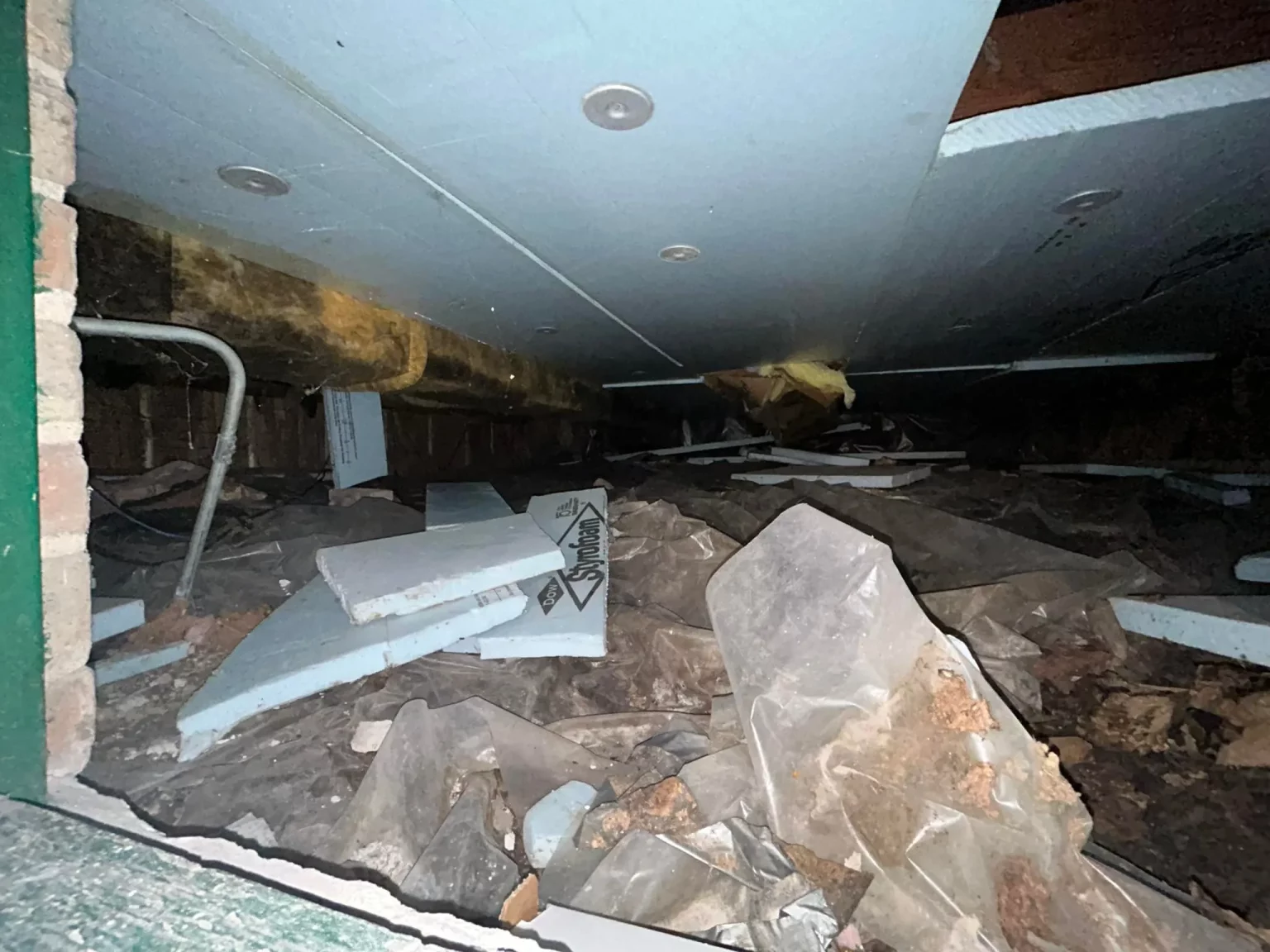
- Original insulation has degraded significantly
- There is visible contamination or moisture
- Wall structures are being reconfigured or exposed
Common Questions
Can retrofit insulation fix uneven indoor temperatures?
Yes, especially in older homes with gaps in attic or wall insulation. Retrofit solutions can target problem areas like rim joists, attic hatches, or uninsulated knee walls to balance indoor temperature more effectively.
Is it possible to retrofit insulation without removing drywall?
Yes. Dense-pack cellulose and injection foam can be installed from the exterior or through small holes in drywall. These methods preserve existing finishes and minimize disruption.
Does retrofit insulation qualify for energy rebates?
Often, yes. Many energy efficiency rebate programs include retrofit insulation as long as the installation meets minimum performance criteria and is verified by a qualified auditor or contractor.
Is spray foam a good option for retrofit insulation?
Spray foam can work well for retrofit, particularly in inaccessible areas or where air sealing is critical. Closed-cell spray foam also adds moisture control and structural rigidity in some cases.
Conclusion
Spray foam insulation company is a practical solution for buildings where the structure is sound, existing insulation is largely intact, and project budgets or timelines are constrained. It reduces waste, shortens project time, and can still deliver meaningful improvements in thermal efficiency and indoor comfort.
While full replacement has its place—especially for damaged or obsolete systems—many residential and commercial buildings benefit from a strategic retrofit approach. Understanding when retrofit is viable helps professionals make efficient, environmentally responsible decisions that meet occupant needs and building performance goals.
FAQs
How do I know if my insulation should be replaced or retrofitted? Start with an energy audit. Professionals assess insulation condition, air leakage, and thermal performance using tools like infrared imaging. If the system is damaged or underperforming, replacement may be needed. Otherwise, a retrofit could suffice.
What types of insulation are most common for retrofit? Blown-in cellulose, fiberglass, injection foam, and spray foam are commonly used. The choice depends on wall structure, access, and performance goals. Each has unique benefits in retrofit applications.
Does retrofitting improve indoor air quality? Yes—especially when air sealing is part of the project. It reduces drafts and can help prevent moisture-related issues, leading to better humidity control and air filtration effectiveness.
How long does retrofit insulation last? Retrofit materials like cellulose or foam have lifespans of 20–50 years depending on environmental exposure and installation quality. They offer lasting performance when properly installed and maintained.
Can insulation retrofit increase property value? Yes. Improved energy efficiency and indoor comfort appeal to buyers. Homes with documented energy upgrades often sell faster and at higher prices, especially in markets where utility costs are high.
Author: Bob Gasca attended his first spray foam training in 2007 and has continued to pursue yearly training to stay current with the latest technology and practices. He is a certified Spray Foam Master Installer through the SPFA and a member of the SPFA. Additionally, Bob serves as a Spray Foam Worldwide Ambassador, sharing information with spray foam professionals globally. Recently, he returned from a building science training, where he expanded his knowledge on how weather conditions affect home performance, helping him better diagnose and improve home health for families. Bob specializes in finding solutions to complex moisture and air infiltration issues.
Reviewer: Noah Gonzalez reviewed this article and drew on 9 years of experience to offer suggestions that make the guidance more directly useful for insulation contractors.