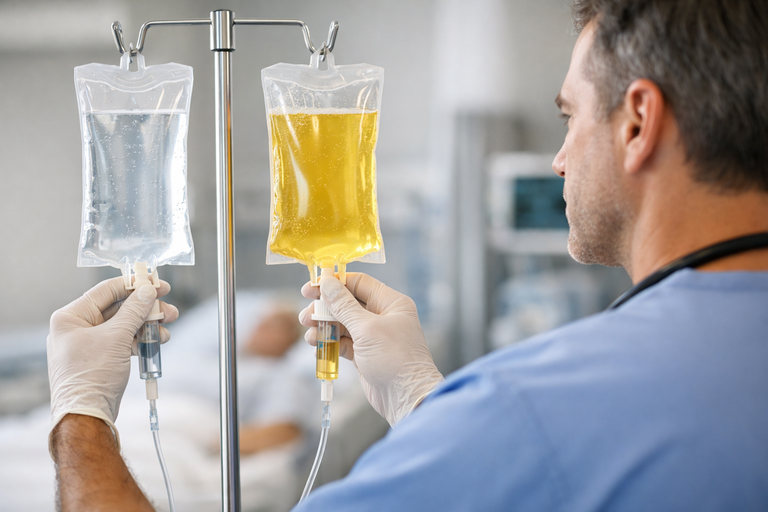
As regenerative medicine continues to grow, platelet-rich plasma (PRP) therapy has gained strong clinical traction—especially in orthopedics, sports medicine, and aesthetics. But offering PRP in your practice takes more than owning a centrifuge and drawing blood. It requires precise technique, clinical insight, and hands-on practice. That’s where structured platelet rich plasma training becomes essential.
In this post, we break down what you’ll gain from professional PRP education, how to choose the right program, and why hands-on PRP injection training is the key to delivering safe, effective, and in-demand care.
Why Platelet Rich Plasma Training Is in High Demand
PRP therapy is a biologic treatment that uses a patient’s own concentrated platelets to stimulate healing in damaged tissues. It’s been used to treat:
- Osteoarthritis
- Tendon and ligament injuries
- Hair thinning and loss
- Facial rejuvenation
- Post-surgical recovery
Its natural profile, low complication rate, and non-surgical appeal make it attractive to patients—and profitable for providers.
However, the rise in interest has also exposed a gap: Many clinicians are offering PRP without formal training. This can lead to inconsistent results, technique errors, and missed opportunities to optimize care.
That’s why formal platelet rich plasma training—especially one that includes real-world injection practice—is now considered a standard for responsible clinical integration.
What a Quality PRP Training Program Includes
Not all training programs are created equal. Some focus only on selling products, while others offer robust clinical guidance. A strong PRP training center will provide:
📚 Scientific Foundation
- Platelet biology and role in tissue repair
- Evidence-based indications for PRP therapy
- Understanding PRP types (leukocyte-rich vs. pure PRP)
⚙️ Processing and Equipment
- PRP system and centrifuge handling
- Anticoagulants, draw volume, and sterile technique
- Step-by-step PRP preparation protocols
💉 PRP Injection Techniques
- Musculoskeletal: joint, tendon, ligament applications
- Aesthetic: facial, under-eye, and scalp injections
- Needle selection, injection angles, and safety precautions
These are the core pillars of any effective prp injection training course and what ultimately determines patient success.
Hands-On Learning at a PRP Training Center
The biggest differentiator between average and excellent PRP programs is hands-on training. Knowing the theory isn’t enough. Clinicians must practice with real equipment, real scenarios, and ideally real patients or models.
✅ What Hands-On Training Provides:
- Injection practice in multiple anatomical regions
- Familiarity with PRP kits and centrifuges
- Live feedback from experienced instructors
- Muscle memory and confidence for your first clinic case
Some programs offer cadaveric training, while others use live model workshops. Either way, tactile learning makes the skills stick.
Compare that to fully virtual programs, which—even when well-designed—can leave providers unsure when performing their first procedure. A high-quality PRP training center bridges this gap with guided, supervised injections that boost both competence and confidence.
Choosing the Right PRP Training Center
With so many training options available, it’s important to know what separates a reputable center from a subpar one.
Look for:
- Board-certified instructors with active clinical practices
- Small class sizes to ensure individualized attention
- Curriculum depth across PRP indications and specialties
- Post-course support, including access to updated resources or mentorship
- Transparency in pricing and content—no surprise upsells
Avoid:
- Courses focused primarily on selling PRP devices
- Outdated or anecdotal training not aligned with current evidence
- Lack of hands-on opportunities
- Overpromising outcomes or guaranteed income claims
Ultimately, the best PRP training center is one that prioritizes clinical safety, procedural skill-building, and educational integrity—not product promotion.
How Training Translates to Patient Outcomes and ROI
Investing in structured platelet rich plasma training pays off in more ways than one. Here’s how:
🔬 Clinical Precision
Proper training reduces the risk of:
- Poorly targeted injections
- Over-concentration or under-concentration of PRP
- Ineffective protocols for specific conditions
This means better results and fewer follow-up complications.
💰 Return on Investment
PRP is typically an out-of-pocket procedure. That means:
- No insurance coding delays
- Higher per-patient revenue
- ROI typically achieved after 3–5 treatments
When performed safely and effectively, PRP becomes a sustainable, high-demand service.
👩⚕️ Practice Growth
Clinics that offer PRP report:
- Increased new patient flow
- Higher retention through treatment series
- Expanded scope of care for both aesthetic and orthopedic needs
Once you’ve completed prp injection training, your ability to integrate PRP into everyday practice becomes seamless—and profitable.
A Sample PRP Training Pathway
Here’s what the training journey typically looks like for providers:
1. Introductory Modules (Online or In-Person)
Covers the science, clinical use cases, and protocols behind PRP
2. Live Training Day
Hands-on session for drawing, spinning, and injecting PRP using models or live patients
3. Certification and Evaluation
Many programs offer certification upon completion, often with case evaluations or written tests
4. Post-Course Support
Access to protocols, video refreshers, and instructor Q&A after course completion
If you’re choosing a PRP training center, ask what type of support continues beyond the classroom—because your first patient won’t always follow the textbook.
Why Providers Are Making the Leap into PRP
For many healthcare professionals, PRP isn’t just a trendy add-on—it’s a serious expansion of their treatment toolbox.
From joint pain to hair loss, facial aging to sports injuries, PRP offers a way to support healing without medication or surgery. And patients are actively looking for qualified providers.
That’s why more clinicians—from early-career doctors to seasoned specialists—are turning to formal training. They understand that delivering biologic therapies responsibly means getting educated, getting hands-on, and getting certified.
Final Takeaway: Training Builds Trust—and Success
As interest in regenerative therapies rises, so do patient expectations. Offering PRP responsibly requires more than a weekend crash course or equipment purchase. It demands thoughtful education, repetition, and instructor-led support.
Structured platelet rich plasma training—especially programs with true PRP injection training—ensures you’re not just offering PRP, but offering it well.
When you choose a reputable PRP training center, you don’t just learn how to draw blood or use a centrifuge. You build the clinical skills and confidence that elevate your care—and set your practice apart.
Train with Regenerative Medicine Academy
Regenerative Medicine Academy offers accredited platelet rich plasma training and advanced PRP injection training programs designed for physicians, PAs, and nurse practitioners. With live model practice, evidence-based curriculum, and ongoing mentorship, our PRP training center helps you master the skills patients expect from a regenerative medicine provider.
👉 Reserve your seat at an upcoming training and take your practice to the next level.