Commercial deck construction in Bear, DE demands strict adherence to safety codes, structural integrity, and materials suited to the local climate. A well-constructed commercial deck supports heavy foot traffic, withstands weather conditions, and integrates seamlessly with the building’s design. Key factors include load capacity, durability, maintenance needs, and regulatory compliance. The complexity of commercial projects often exceeds residential builds, requiring detailed planning and precise execution.
This article delivers an in-depth guide on commercial deck construction options in Bear, DE. It breaks down material choices, technical requirements, and critical considerations for selecting the best construction approach. Tables summarize specifications and comparisons for clear reference. This content targets professionals and decision-makers looking to understand commercial deck construction without promotional distractions.
Types of Commercial Deck Construction
Commercial decks vary significantly depending on their purpose, environment, and load demands. In Bear, DE, decks commonly serve restaurants, office buildings, retail centers, hotels, and recreational facilities. Each application requires structural designs capable of supporting both static and dynamic loads.
Freestanding Decks
Freestanding decks do not rely on the building’s structure for support, resting instead on their own footings and framing. This type offers flexibility in placement and design, suitable for outdoor patios or expanded seating areas. They must meet higher load ratings to accommodate heavier usage without transferring weight to the main building.
Rooftop Decks
Rooftop decks utilize the roof as their foundation, which demands careful assessment of the roof’s load-bearing capacity. This type is popular for hospitality venues and residential complexes offering outdoor amenities. Waterproofing, drainage, and fireproofing are especially critical here to avoid damage to the underlying structure.
Multilevel Decks
Complex facilities like resorts or sports venues may require multilevel decks that connect several floors or outdoor terraces. These decks involve rigorous engineering due to varied loads and safety requirements. They often use high-grade materials like composite or concrete for enhanced longevity and strength.
Platform Decks
Platform decks typically serve as transitional spaces, such as building entrances or loading areas. Their design focuses on accessibility and compliance with ADA (Americans with Disabilities Act) standards. These decks can be single-level or incorporate ramps and handrails to meet regulatory mandates.

Material Comparison for Commercial Decks
Material choice directly affects durability, maintenance cost, safety, and environmental impact. Bear’s climate—with humid summers and cold winters—requires materials that resist moisture, temperature fluctuations, and decay.
|
Material Type |
Weather Resistance |
Maintenance Demand |
Cost Range (per sq. ft.) |
Fire Resistance |
ADA Compliance Availability |
|---|---|---|---|---|---|
|
Pressure-Treated Wood |
Moderate; susceptible to rot and warping |
High; requires regular sealing and inspection |
$10–$25 |
Low |
Limited |
|
Composite |
High; resists moisture and UV damage |
Low; periodic cleaning only |
$20–$40 |
Medium |
Yes |
|
Aluminum |
Very High; corrosion-resistant |
Very Low; virtually maintenance-free |
$30–$60 |
High |
Yes |
|
PVC |
High; impervious to rot and insects |
Low; occasional cleaning |
$25–$50 |
Medium–High |
Yes |
|
Concrete |
Very High; weatherproof and durable |
Low; minimal maintenance required |
$30–$70 |
Very High |
Yes |
Wood vs. Composite and Metals
Pressure-treated wood remains an economical option but demands ongoing maintenance due to vulnerability to moisture and pests. Composite decking, made from recycled wood fibers and plastic, offers a durable, low-maintenance alternative that resists fading and splintering. Aluminum is favored for its longevity and minimal upkeep but has a higher upfront cost. PVC decks are lightweight and resistant to rot but may lack the structural strength needed for heavy commercial use unless properly engineered. Concrete decks excel in load capacity and fire resistance but require expert installation and potentially higher initial investment.
Technical Specifications and Regulatory Standards
Commercial decks must comply with standards outlined in the International Building Code (IBC) and Delaware state regulations. These standards address structural loads, safety features, and accessibility.
|
Specification |
Requirement Detail |
|---|---|
|
Live Load |
Minimum 100 lbs/sq ft for assembly areas |
|
Dead Load |
Based on materials, typically 10–20 lbs/sq ft |
|
Guardrails |
Minimum 42 inches in height on open sides |
|
Stair Risers |
Maximum 7 inches to reduce trip hazards |
|
Stair Tread Depth |
Minimum 11 inches for safe footing |
|
Deck Slope |
Minimum 1/8 inch per foot for drainage |
|
Footings |
Minimum 36 inches below grade to prevent frost heave |
|
Fire Rating |
Class A fire-resistant materials preferred |
|
ADA Accessibility |
Ramps, handrails, and slip-resistant surfaces required |
Load Considerations
Commercial decks face static loads (furniture, fixtures) and dynamic loads (people moving, dancing). Structures must be engineered with appropriate safety factors to prevent deflection or collapse. An engineer’s evaluation is often necessary, especially for rooftop and multilevel decks.
Weather and Climate Adaptations
Bear’s humid summers increase risk of mold and wood rot, while freezing winters cause expansion and contraction stresses. Materials like aluminum and composite mitigate these issues, providing dimensional stability year-round.
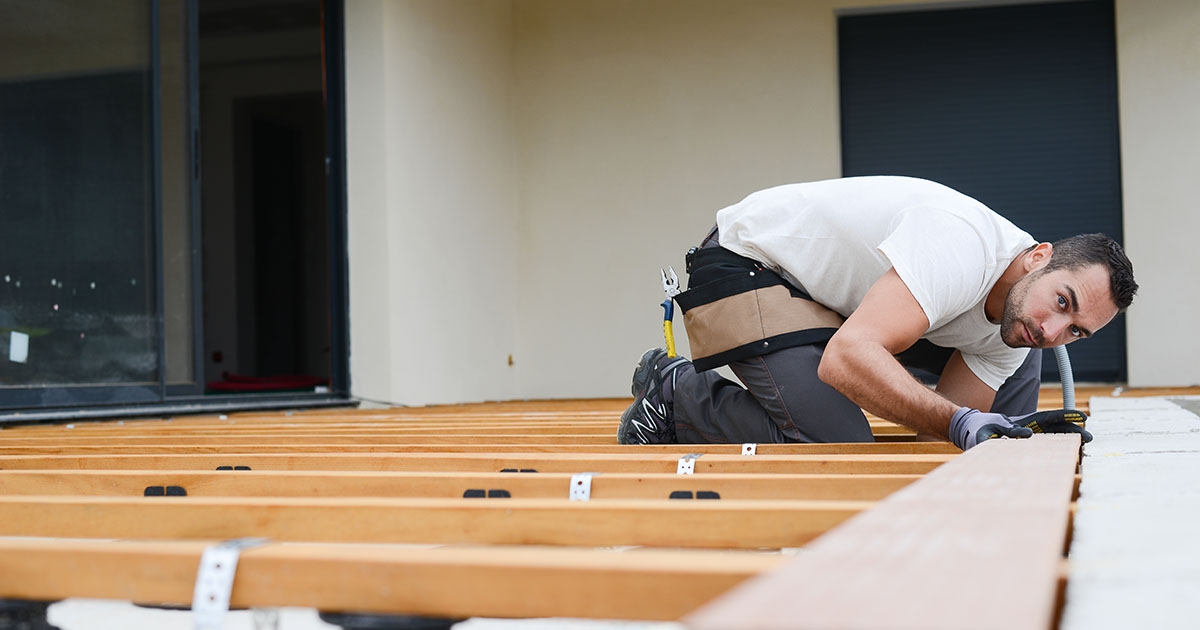
Process of Commercial Deck Construction
The construction process requires thorough planning and adherence to permits and inspection timelines.
Planning Phase
- Site Assessment: Soil testing for footing design, environmental impact studies, and space allocation.
- Design and Engineering: Structural drawings must conform to IBC and Delaware codes.
- Material Selection: Based on use case, budget, and expected lifespan.
Permitting and Approvals
Commercial decks in Bear require permits from the Delaware Division of Professional Regulation. Applications include structural plans and engineering certification. The approval process can take 4–8 weeks depending on project complexity.
Construction Phase
- Foundation and Footings: Footings must be dug below frost line and poured to precise dimensions.
- Framing and Support: Steel or treated lumber framing installed per engineering specs.
- Decking Installation: Boards or panels laid with attention to spacing for drainage.
- Safety Features: Installation of guardrails, stairs, ramps, and non-slip surfaces.
- Final Inspection: Compliance checks before project handoff.
Market Data and Trends
Recent Delaware building data indicates a 17% rise in commercial outdoor deck installations in 2024, driven primarily by expanding outdoor dining and event venues. This trend reflects growing demand for versatile outdoor spaces with durable, low-maintenance surfaces. Composite and aluminum decks dominate new commercial projects due to their longer service life and resistance to weather and pests.
Environmental awareness also influences material choice; recycled composite materials and aluminum’s recyclability offer sustainability advantages.
Things to Consider Before Making a Decision
Choosing a commercial deck solution requires a comprehensive evaluation beyond initial costs.
Structural Needs
Analyze expected usage patterns. High foot traffic and equipment loads require materials with greater load capacity and durability.
Local Building Codes
Delaware regulations enforce strict standards, including guardrail heights, stair safety, and accessibility compliance. Non-compliance risks costly redesigns or fines.
Climate Impact
Materials must resist humidity-related decay and endure freeze-thaw cycles. Consider coatings or treatments that extend lifespan.
Maintenance and Lifespan
Weigh ongoing maintenance requirements against budget and staff capacity. Materials requiring less upkeep reduce operational disruption.
Accessibility
ADA compliance is mandatory for public commercial decks. Proper ramps, railings, and surface texture avoid legal liabilities.
Drainage and Safety
Proper slope and drainage design prevent water pooling, which can lead to structural damage and safety hazards such as slips.
Common Questions
Do commercial decks require special engineering? Yes. Structural engineers must evaluate load, footing design, and material compatibility, especially for rooftop or multilevel decks.
Is it better to use wood or composite in Bear’s climate? Composite generally performs better with less maintenance in humid climates. Wood requires frequent treatment to avoid rot and insect damage.
Can commercial decks support heavy equipment? Concrete or steel-framed decks are best suited for heavy loads. Composite decks can support moderate loads depending on substructure design.
What are typical project timelines? From planning through final inspection, commercial decks usually take 6 to 12 weeks.
FAQ
What permits are needed for commercial deck construction? A building permit and possibly an engineering approval from the Delaware Division of Professional Regulation.
Are rooftop decks safe for public use? Yes, provided they meet all structural and fire safety codes.
Which decking material is best for long-term investment? Aluminum and composite decking offer longevity and low maintenance, making them cost-effective over time.
How frequently should commercial decks be inspected? Annual inspections are recommended, with additional checks after storms or extreme weather.
Can commercial decks be designed to be ADA compliant? Yes, designs must include ramps, handrails, and appropriate surface textures to meet ADA standards.
Conclusion
Commercial deck construction in Bear, DE requires attention to safety, durability, and compliance with local regulations. Selecting materials like aluminum and composite improves longevity and reduces maintenance challenges. Structural planning must address load demands, climate effects, and accessibility requirements. Following these guidelines ensures a commercial deck that serves its purpose safely and effectively over time.
Evaluate your specific needs carefully to balance upfront costs against long-term performance. Consulting licensed engineers and adhering to permitting processes will streamline construction and prevent future issues.
Ready to Achieve Functional Outdoor Commercial Space?
Apply these insights now: Schedule your commercial deck planning consultation with JPM Home Services. Their team understands the needs of commercial clients in Bear and can help plan structures that meet all safety and regulatory standards.
Contact: JPM Home Services ???? (302) 598-6297 ???? jpmhomeservices@yahoo.com
Reviewer: Chloe Martinez brings 8 years of experience in home improvement. Feedback from Chloe helped shape this post to better support companies working to strengthen their reputation and expand their reach.