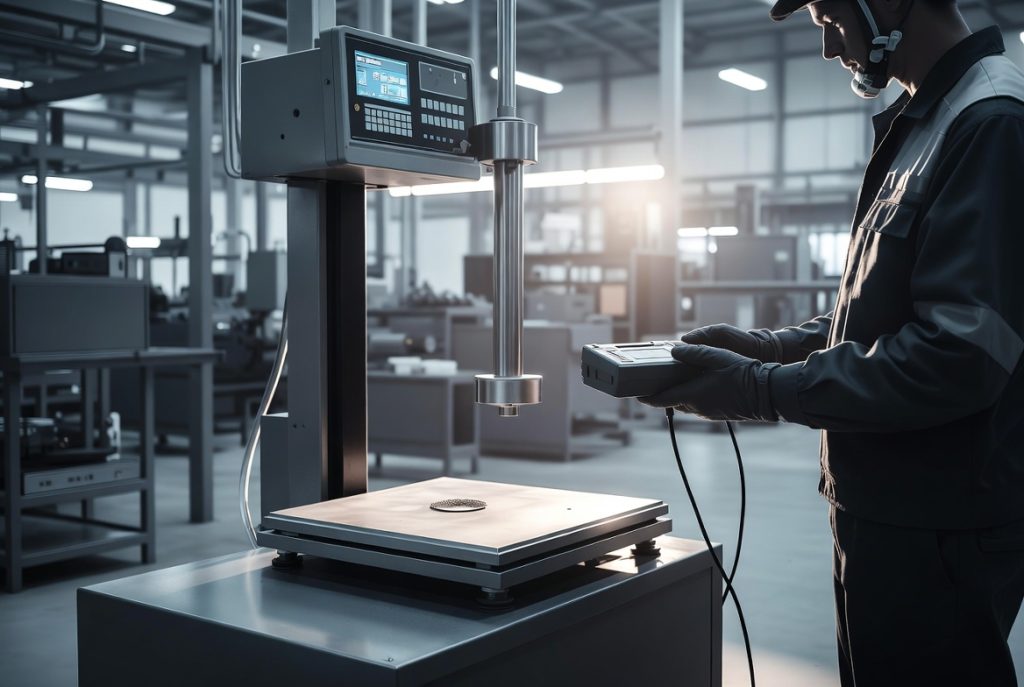
In today’s competitive market, ensuring the safety, quality, and standardization of products is essential—not only for consumer trust but also for legal compliance. In India, this is where BIS Registration plays a critical role. Issued by the Bureau of Indian Standards (BIS), this certification is mandatory for several products to be manufactured, imported, or sold in the Indian market.
Whether you’re a domestic manufacturer, foreign supplier, or importer, understanding BIS registration requirements is crucial. This guide explains what BIS registration is, why it’s important, and how to obtain it efficiently.
What is BIS Registration?
BIS Registration is an official certification provided by the Bureau of Indian Standards, a national body under the Ministry of Consumer Affairs, Food & Public Distribution, Government of India. It certifies that a product conforms to the Indian Standards (IS) of safety, quality, and performance.
There are three major types of BIS certification:
-
ISI Mark Certification – Mandatory for certain products like electrical appliances, cement, steel, etc.
-
Compulsory Registration Scheme (CRS) – For electronic and IT products.
-
Hallmarking – For gold and silver jewellery.
This article focuses on BIS Registration under CRS, which is required for over 75 electronic and IT products.
Why is BIS Registration Important?
BIS registration ensures that a product meets Indian safety standards and can legally be sold in India. Key reasons include:
-
✅ Consumer Safety: Ensures the product is safe for use.
-
✅ Legal Requirement: Mandatory for specified products under Indian law.
-
✅ Market Entry: Without BIS registration, import or sale of listed products is prohibited.
-
✅ Brand Reputation: Shows that the manufacturer complies with high standards.
-
✅ Avoid Penalties: Non-compliance may lead to product seizure or fines.
Products That Require BIS Registration
The Compulsory Registration Scheme (CRS) applies to a wide range of electronic and IT products, including:
-
Mobile phones
-
Power banks
-
LED lighting
-
Laptops and tablets
-
Televisions
-
Smart watches
-
CCTV cameras
-
USB chargers
-
Microwave ovens
-
Wireless keyboards and mouses
Both Indian manufacturers and foreign manufacturers exporting to India must obtain BIS registration for these products.
Who Needs BIS Registration?
You need BIS registration if you are:
-
A domestic manufacturer producing notified electronic or IT goods.
-
A foreign manufacturer exporting goods to India.
-
An importer or Indian representative of a foreign brand.
For foreign entities, appointing an Authorized Indian Representative (AIR) is mandatory.
Types of BIS Registration Schemes
-
Compulsory Registration Scheme (CRS): For electronic and IT goods.
-
ISI Mark Certification Scheme: For domestic manufacturers of products like cables, motors, appliances, etc.
-
Foreign Manufacturers Certification Scheme (FMCS): For overseas manufacturers who want to get ISI certification.
Most electronics fall under the CRS, and the process for it is more straightforward than the ISI route.
Process of BIS Registration
The BIS registration process includes product testing, documentation, and online submission. Here’s how it works:
Step 1: Product Testing
-
Product samples are tested in BIS-recognized labs in India.
-
Tests are conducted as per relevant Indian Standards (IS codes).
-
A test report is generated and submitted with the application.
Step 2: Documentation
Prepare and submit the following documents:
-
Test report from BIS-approved lab
-
Business license of the manufacturer
-
ISO certificate of the factory
-
Trademark or brand certificate (if applicable)
-
Product specification and user manual
-
Agreement with Authorized Indian Representative (for foreign brands)
Step 3: Online Application via BIS Portal
-
Register on the BIS Manakonline Portal
-
Upload documents and test reports
-
Pay the required government fee
Step 4: Evaluation and Grant of Certificate
-
BIS verifies the documents
-
If all is in order, the Registration Certificate is issued
-
The Standard Mark (with R-number) must be printed on the product and packaging
Timeline for BIS Registration
The BIS registration process typically takes:
-
Product Testing: 10–15 working days
-
Application Review and Approval: 10–12 working days
So the total time required is usually around 4 to 6 weeks, assuming all documents are correct.
Validity and Renewal
-
The BIS registration certificate is valid for 2 years.
-
It can be renewed before expiry for another 2–5 years, depending on the product and applicant’s compliance record.
Penalties for Non-Compliance
Selling or importing products that require BIS registration without proper certification is a punishable offense. Consequences include:
-
Seizure of goods by customs or authorities
-
Heavy penalties or fines
-
Ban on product sales in India
-
Legal action against the importer or manufacturer
Hence, it’s essential to comply with BIS regulations before entering the Indian market.
Role of BIS Certification Consultants
Navigating BIS certification can be complex due to technical documentation and strict compliance requirements. That’s where BIS certification consultants come in. Their services include:
-
Product classification and IS code identification
-
Coordinating with BIS labs for testing
-
Document preparation and review
-
Filing the online application
-
Liaison with BIS officials
-
Ensuring timely registration and renewals
Hiring an expert can help you avoid delays, rejections, and penalties.
Tips for Smooth BIS Registration
-
Start the process early, especially if you’re launching a new product.
-
Ensure the product sample is correctly labeled and functioning.
-
Use a BIS-recognized lab for product testing.
-
Double-check all documents before submitting.
-
For foreign companies, choose a reliable Indian representative.
Conclusion
BIS Registration is a vital compliance requirement for companies selling or importing electronic and IT products in India. It ensures product safety, builds consumer trust, and enables legal market entry. Whether you are a domestic manufacturer or a foreign exporter, BIS certification is a non-negotiable step.
Given the detailed process and strict compliance requirements, it’s wise to work with a trusted BIS consultant who can manage testing, documentation, and approval seamlessly.