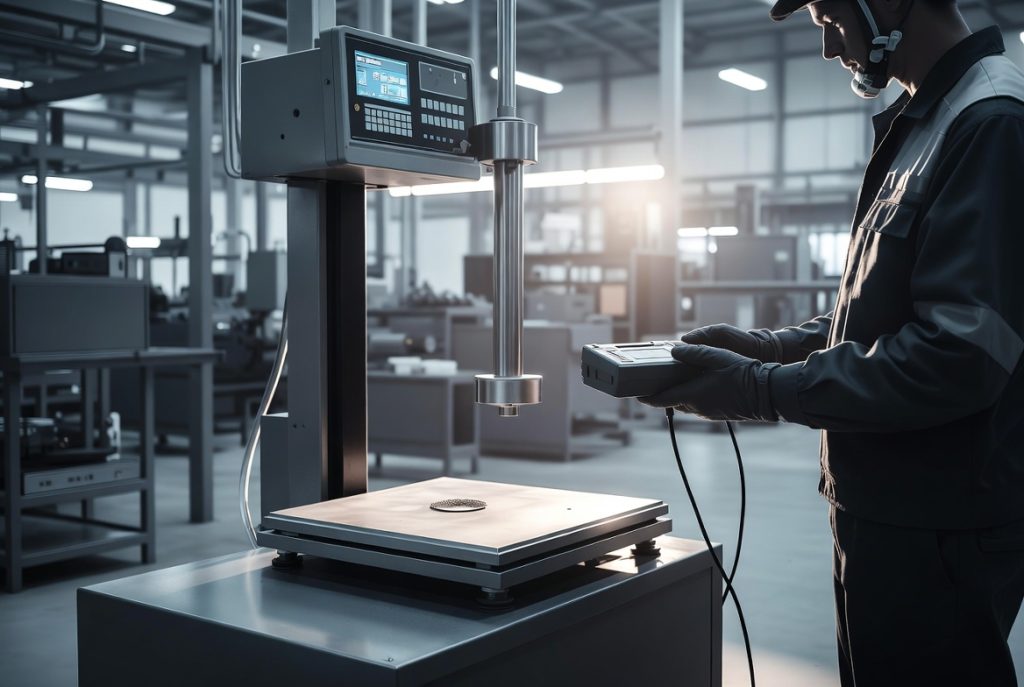
Die cutters are powerful machines used in various industries to cut, shape, and create designs from a wide range of materials. From paper and cardboard to fabric and foam, die cutters provide precision and efficiency in cutting complex shapes and patterns. Whether you’re a small business owner, a craft enthusiast, or a manufacturer, understanding how die cutters work, their different types, and their applications can help you choose the right tool for your needs.
In this article, we will explore what a die cutter is, how it works, the different types available, and their common uses in various industries.
What Is a Die Cutter?
A die cutter is a machine designed to cut, shape, and emboss materials using a die, which is a mold or template that contains a specific shape or pattern. The die cutter applies pressure to the die and the material, cutting or stamping the material into the desired form. Die cutters are used to produce a wide range of items, such as packaging, parts, craft designs, and textiles.
Die cutters come in various forms, from manual machines that are ideal for small-scale projects to industrial-grade machines designed for mass production. Depending on the type of die cutter, they can cut a variety of materials, including paper, fabric, rubber, plastics, and metal.
How Does a Die Cutter Work?
The process of die cutting involves the following basic steps:
-
Die Creation: First, a die is created with a specific shape or pattern. The die is typically made from steel or another durable material and is designed to withstand the pressure applied during the cutting process.
-
Material Placement: The material to be cut is placed beneath the die, and the die cutter applies force to the die, which in turn presses the die onto the material.
-
Cutting or Stamping: The die applies enough pressure to cut through or emboss the material in the desired shape or pattern. The material is then removed from the die cutter, leaving behind a clean, precise cut or design.
-
Finishing: Some die cutting processes may require additional steps, such as trimming excess material, adding coatings, or applying adhesives to finish the design.
Types of Die Cutters
Die cutters come in different types, each designed for specific applications and materials. Here are the most common types of die cutters:
1. Manual Die Cutters
- How They Work: Manual die cutters are hand-operated machines that require the user to apply force by turning a handle or lever. These machines are typically used for smaller projects, such as crafting, scrapbooking, and card making.
- Best For: Hobbyists, small-scale businesses, and light-duty tasks.
- Advantages:
- Affordable and easy to use.
- Compact and portable.
- Ideal for cutting paper, fabric, and lightweight materials.
- Considerations:
- Limited cutting capacity and volume.
- Requires manual effort and can be slow for large projects.
- Popular Brands: Sizzix Big Shot, Cricut Cuttlebug, and Spellbinders Platinum.
2. Electric Die Cutters
- How They Work: Electric die cutters use motors to automate the cutting process. They can be programmed or connected to a computer to cut more intricate designs with precision. These machines offer a higher level of efficiency and accuracy than manual cutters.
- Best For: Small to medium-sized businesses, professional crafters, and projects requiring high precision.
- Advantages:
- Faster than manual machines and ideal for larger projects.
- Can cut complex designs with high precision.
- Can handle a wider range of materials.
- Considerations:
- Higher upfront cost compared to manual cutters.
- Requires electricity and, in some cases, software for operation.
- Popular Brands: Cricut Maker, Silhouette Cameo, and Brother ScanNCut.
3. Hydraulic Die Cutters
- How They Work: Hydraulic die cutters use hydraulic pressure to cut through thick and tough materials. These machines are designed for industrial applications and can handle large production volumes with ease.
- Best For: Large-scale manufacturing, heavy-duty materials (like leather, rubber, or thick cardboard), and high-volume production runs.
- Advantages:
- High cutting force for heavy-duty materials.
- Suitable for large production runs with consistent results.
- Can handle intricate designs and large sheets of material.
- Considerations:
- Expensive and typically require a dedicated workspace.
- Larger and heavier than other types of die cutters.
- Popular Brands: AIDA, Minster, and Bliss.
4. Rotary Die Cutters
- How They Work: Rotary die cutters use cylindrical dies that rotate to cut or emboss materials continuously. These machines are used in high-speed production environments and are capable of cutting large volumes of materials with precision.
- Best For: High-volume production, especially in industries like packaging and textiles.
- Advantages:
- Ideal for continuous cutting and high-speed production.
- Can cut multiple layers of material at once.
- Suitable for creating repetitive designs or patterns.
- Considerations:
- High initial investment and maintenance costs.
- Requires specialized training to operate effectively.
5. Clicker Press Die Cutters
- How They Work: Clicker press die cutters use a mechanical press to cut materials using a steel rule die. The press creates a “click” sound when it makes contact with the material, which is where the machine gets its name.
- Best For: Cutting leather, foam, rubber, and other thick materials.
- Advantages:
- Great for cutting thick materials.
- Consistent and precise cuts with minimal waste.
- Considerations:
- Large and expensive machines.
- Requires setup time for each new design.
Common Applications of Die Cutters
Die cutters are used in a wide range of industries for various purposes. Here are some of the most common applications:
1. Arts and Crafts
- Applications: Scrapbooking, card making, party decorations, and custom invitations.
- Materials Used: Paper, cardstock, fabric, vinyl, and foam.
- Why Die Cutters?: Die cutters allow crafters to create intricate, consistent shapes and patterns quickly, making them ideal for crafting projects.
2. Textiles and Fashion
- Applications: Cutting fabric for clothing, quilting, and accessories.
- Materials Used: Cotton, leather, polyester, felt, and other textiles.
- Why Die Cutters?: Die cutters provide consistent, precise fabric cuts, ensuring uniformity and reducing material waste in fashion and textile production.
3. Packaging and Printing
- Applications: Creating custom boxes, labels, tags, and other packaging items.
- Materials Used: Paperboard, cardboard, plastic, and vinyl.
- Why Die Cutters?: Die cutters ensure that packaging pieces are cut accurately and efficiently, helping businesses streamline their production processes.
4. Industrial Manufacturing
- Applications: Cutting rubber, plastic, foam, and metal parts for automotive, electronics, and other machinery.
- Materials Used: Rubber, foam, leather, metal, and plastic.
- Why Die Cutters?: Die cutters provide high precision for creating parts and components, ensuring high-quality products and consistent production.
How to Choose the Right Die Cutter
Choosing the right die cutter depends on your specific needs. Consider the following factors:
-
Material Type: Ensure the die cutter is compatible with the materials you need to cut, such as paper, fabric, or metal.
-
Volume and Speed: If you need to produce large volumes quickly, consider an electric, hydraulic, or rotary die cutter.
-
Budget: Die cutters range from affordable manual models to expensive industrial machines. Determine your budget and select a machine that fits your needs and financial capacity.
-
Precision and Complexity: For intricate designs, choose a computerized or electronic die cutter that offers high precision and can cut detailed patterns.
-
Space and Maintenance: Larger die cutters may require more space and maintenance, so make sure you have the necessary infrastructure and skills to operate and maintain the machine.
Conclusion
Die cutters are essential tools in a variety of industries, offering precision and efficiency in cutting, shaping, and embossing materials. Whether you’re a crafter, a small business owner, or part of a large-scale manufacturing operation, understanding the different types of die cutters and their applications can help you choose the right one for your needs. By investing in the right die cutter, you can streamline your production process, improve quality, and achieve consistent, accurate results every time.