
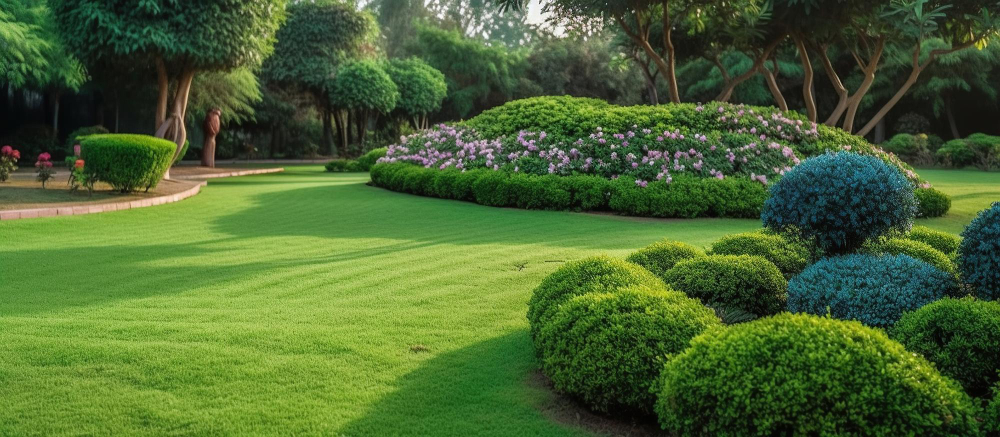
When people hear the term “landscaping,” they often picture planting flowers, mowing lawns, or adding decorative features. While those are certainly part of it, professional landscaping services involve much more than surface-level improvements.
In reality, landscaping is a combination of planning, engineering, environmental awareness, and long-term maintenance. Especially in cities like Seattle, where weather and terrain play a significant role, landscaping becomes a strategic process rather than a simple upgrade.
Landscaping as a System, Not a Single Task
A well-designed landscape is not created through isolated actions. It works as a system where multiple elements interact with each other.
Key components typically include:
- Soil preparation and grading
- Drainage and water management
- Plant selection and placement
- Hardscape structures like patios and pathways
- Irrigation systems
Each of these elements must work together. For example, poor drainage can affect plant health, while incorrect grading can lead to water pooling or erosion.
The Role of Site Analysis
Before any work begins, understanding the site is essential. Every property has its own conditions that influence how landscaping should be approached.
Important Factors Include:
- Soil type and composition
- Slope and elevation changes
- Sunlight exposure throughout the day
- Existing vegetation and root systems
- Water flow patterns during rainfall
In Seattle, where rainfall is frequent, analyzing how water moves across a property is particularly important. Without this step, even well-designed landscapes can develop problems over time.
Balancing Aesthetics and Functionality
One of the biggest misconceptions about landscaping is that it’s purely visual. In reality, aesthetics and functionality must go hand in hand.
Functional Considerations:
- Safe and accessible walkways
- Proper drainage to prevent flooding
- Stable ground for outdoor structures
Visual Considerations:
- Color coordination of plants
- Texture variation in materials
- Seasonal changes in appearance
A successful landscape doesn’t just look good—it performs well in everyday use.
Adapting to Climate Conditions
Seattle’s climate requires a different approach compared to drier regions.
Frequent Rainfall
Excess water can lead to soil erosion, plant damage, and structural issues if not properly managed.
Mild but Variable Temperatures
Plants and materials must handle both wet winters and relatively dry summers.
Overcast Conditions
Lighting and plant selection often need to compensate for limited sunlight during certain times of the year.
Landscaping services in this region must account for these conditions to ensure long-term success.
The Importance of Drainage Solutions
Drainage is often one of the most critical—and overlooked—parts of landscaping.
Without proper drainage:
- Water can accumulate near foundations
- Soil can become unstable
- Plants may suffer from root rot
Common drainage solutions include:
- French drains
- Grading adjustments
- Permeable surfaces
These systems help manage water effectively, especially in areas with heavy rainfall.
Hardscape and Softscape Integration
Landscaping involves both built structures and natural elements.
Hardscape Elements:
- Patios and decks
- Walkways and steps
- Retaining walls
Softscape Elements:
- Plants, trees, and lawns
- Soil and mulch
- Garden beds
The goal is to create a balance where hardscape provides structure and usability, while softscape adds life and environmental benefits.
Sustainability in Modern Landscaping
Sustainable landscaping focuses on reducing environmental impact while maintaining functionality.
Key Practices:
- Using native or climate-adapted plants
- Reducing water consumption through efficient irrigation
- Reusing materials where possible
- Improving soil health naturally
In a region like Seattle, sustainability often aligns with practicality, as native plants and efficient water management systems tend to perform better over time.
Maintenance as an Ongoing Process
Landscaping doesn’t end once installation is complete. Maintenance is a continuous process that ensures the space remains functional and visually appealing.
Typical Maintenance Includes:
- Pruning and trimming plants
- Managing soil health
- Monitoring drainage systems
- Adjusting irrigation as needed
Without proper maintenance, even the best-designed landscapes can lose their effectiveness.
Avoiding Common Landscaping Pitfalls
Many landscaping issues arise from overlooking key factors during planning.
Some common mistakes include:
- Ignoring drainage requirements
- Choosing plants unsuitable for the climate
- Overcrowding spaces with too many elements
- Failing to plan for long-term growth
Avoiding these issues requires a combination of planning and adaptability.
Landscaping as an Extension of Living Space
Modern landscaping is increasingly viewed as an extension of indoor living areas.
Outdoor spaces are now used for:
- Relaxation and social gatherings
- Dining and entertainment
- Personal retreats
This shift has made landscaping services more comprehensive, focusing not just on appearance but on usability and comfort.
Final Thoughts
Landscaping services go far beyond planting and decoration. They involve a thoughtful process that combines design, environmental understanding, and long-term planning.
In cities like Seattle, where natural conditions play a major role, this approach becomes even more important. A well-designed landscape is not just visually appealing—it’s resilient, functional, and adaptable.To explore how these elements come together in real-world projects, visit Landscaping Services.