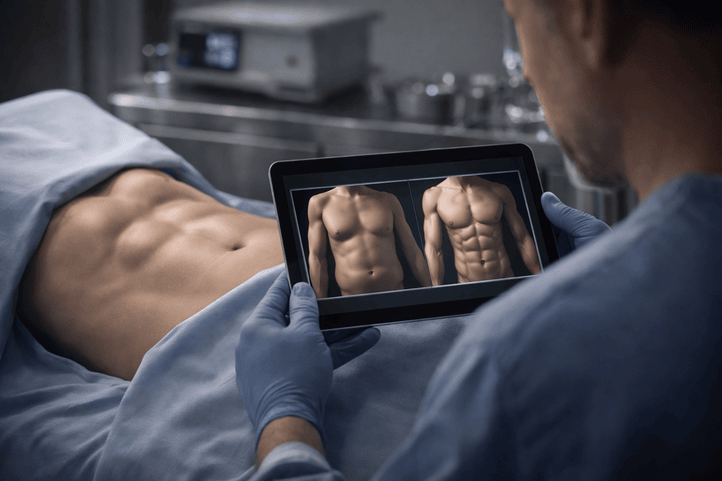
In modern body contouring, one of the biggest challenges is not fat removal—it’s what happens to the skin afterward. When skin has mild to moderate laxity, many people want noticeable tightening without the scars and downtime of excisional surgery. That is where J-Plasma (also known as Renuvion) has become a valuable tool in advanced aesthetic practice, offering controlled tightening by combining radiofrequency energy with helium gas to create plasma.
At Liv Hospital, J-Plasma is positioned as a minimally invasive tightening option that helps improve contour definition when the skin needs extra support after sculpting.
What Exactly Is J-Plasma?
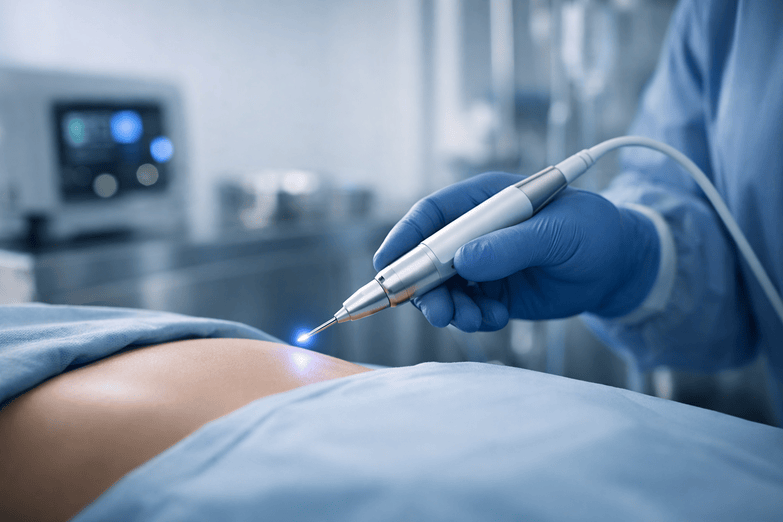
J-Plasma is a technology that creates cold atmospheric plasma by energizing helium gas with radiofrequency (RF) energy. Instead of using laser light, the system delivers a focused stream of ionized gas under the skin to heat connective tissue in a highly controlled way.
This matters because the tightening effect depends on how precisely energy can be delivered. Helium helps cool tissue as energy is applied, allowing surgeons to create a strong tightening response without overheating the skin’s surface.
Why It’s Different from Traditional Skin Tightening Devices
Many tightening devices rely on heat building up gradually through tissue resistance. J-Plasma behaves differently because plasma energy is applied directly to the target layer, so the heating effect is more predictable and less dependent on variability between tissue types.
In simple terms: the treatment is designed to tighten the structure beneath the skin, not just warm the surface. This is why J-Plasma is often described as a tightening “finishing step” after contouring.
How J-Plasma Tightens: The Real Target Is Under the Skin
Skin tightness isn’t just about the skin itself—it’s strongly influenced by the fibroseptal network, a web of connective bands that links skin to deeper tissue.
During J-Plasma treatment, a thin handpiece is inserted through tiny access points, and the plasma stream is applied subdermally. The energy causes immediate collagen contraction, producing a visible tightening response. Over the next weeks and months, the body’s healing process encourages new collagen formation, which supports longer-term firmness.
Where J-Plasma Fits in the “Treatment Gap”
J-Plasma is most often chosen for people who fall between two common categories:
- Non-invasive tightening (usually subtle results, minimal change for moderate laxity)
- Excisional surgery such as tummy tuck or arm lift (major tightening but long scars and higher downtime)
For someone with mild to moderate looseness who wants better definition without a large incision, J-Plasma can offer a meaningful middle option—especially when combined with shaping procedures.
Why It’s Commonly Paired with Liposuction
Liposuction removes fat, but it does not guarantee that the skin will “snap back.” If elasticity is limited due to age, weight changes, or genetics, the skin may look loose after fat reduction. J-Plasma is frequently used after fat removal to tighten the skin so it drapes more smoothly over the new contour.
This is why many surgeons use it as a complement to contouring—helping reduce laxity and improving overall definition in areas where skin softness can hide the result.
Common Areas Treated with J-Plasma
Because connective tissue tightening is useful across the body, J-Plasma is used in multiple zones, depending on the patient’s goals and tissue characteristics:
- abdomen and waistline
- back and bra-line area
- upper arms
- inner and outer thighs
- neck and jawline in selected cases
Treatment planning is typically customized by region, since skin thickness and healing response vary from one area to another.
What Recovery Typically Looks Like
Because J-Plasma is performed through tiny access points, it is generally considered minimally invasive compared with skin-removal surgery. That said, it still involves internal tissue response, so swelling, soreness, and bruising can occur—especially when performed alongside liposuction.
Post-procedure compression garments (when indicated) and proper aftercare often play a major role in achieving the smoothest final contour.
Safety Considerations Patients Should Understand
Like any energy-based procedure, outcomes depend heavily on technique, patient selection, and adherence to safety protocols. One unique consideration with J-Plasma is helium gas use; surgeons follow specific venting and flow protocols to ensure safe application.
Patients should also be evaluated for skin quality, degree of laxity, and medical factors that affect healing, since tightening results can vary depending on the starting condition of the tissue.
Choosing the Right Approach for Your Goals
J-Plasma is not a replacement for every procedure. If laxity is severe, skin removal surgery may still be the more predictable option. But when the goal is to tighten and refine without long scars, J-Plasma can be an effective technique within modern contouring plans.
If you want the treatment page in one place, you can read more about PLASTIC SURGERY J Plasma and how it fits into advanced skin tightening and contouring options.
Supporting Results with Lifestyle Habits
After contouring procedures, factors like hydration, sleep quality, stress levels, and steady weight maintenance can influence how well the body heals and how firm the final result looks over time, which is why many people also explore wellness routines on live and feel.