
Eliminating damp smells in a basement starts with blocking moisture from entering through the foundation walls and floors. These odors typically indicate that liquid water or vapor is seeping through the porous concrete of the building. Applying professional waterproofing treatments creates a physical barrier that stops the growth of mold and keeps the indoor air dry and fresh.
This article provides a detailed look at how to identify moisture sources and choose the best protection methods for any property. Using the right materials ensures that the structural integrity of the building remains solid for years. Professionals in the industry use specialized coatings and foams to address these issues before they lead to expensive repairs.
Industry experts note that foundation waterproofing issues can decrease a home’s market value by up to fifteen percent if left unaddressed. Taking action early prevents the spread of rot and keeps the air quality safe for everyone inside. This guide draws on years of field experience to help property owners make informed decisions about their building health.
Finding the Root Cause of Basement Odors
The first step in removing musty smells is finding where the water gets inside the structure. Concrete may look solid, but it actually acts like a sponge that pulls moisture from the damp soil around it. When this moisture reaches the interior air, it creates the perfect environment for fungi to grow and release odors.
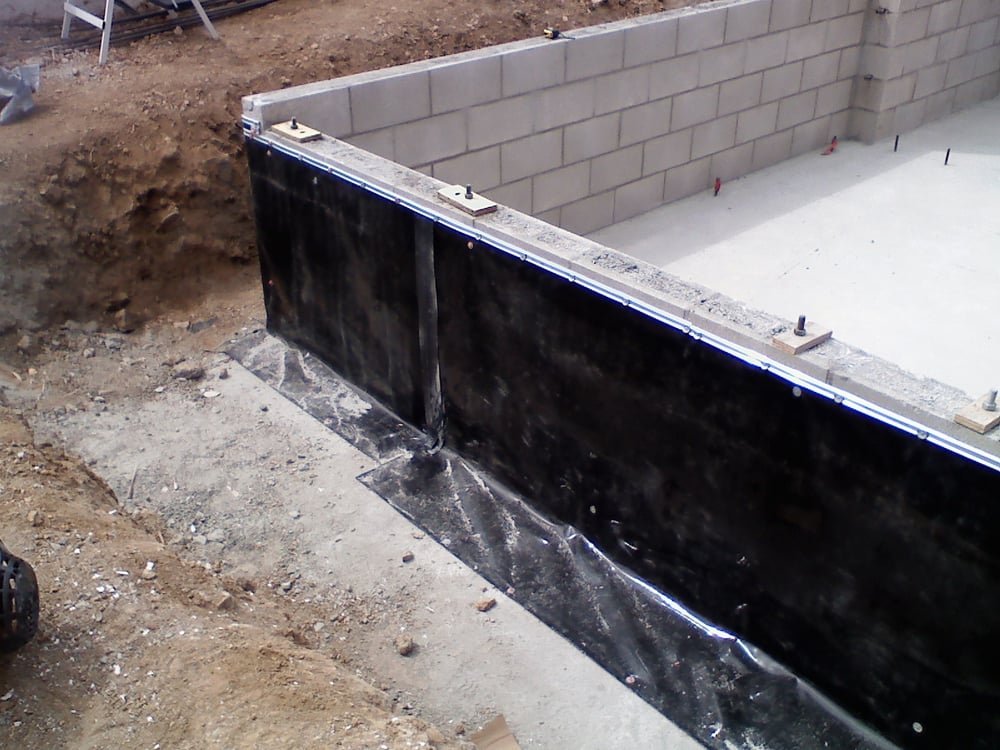
How Moisture Moves Through Concrete Walls
Water moves through foundation walls because of a process called capillary action. Small pores in the concrete allow liquid to travel from the outside to the inside over time. This happens even if there are no visible cracks or leaks in the wall surfaces.
Water Vapor Pressure Issues
Vapor pressure pushes moisture through the walls when the soil is saturated with rain or snowmelt. This constant pressure can eventually force water through even the smallest openings in the structure. Stopping this pressure requires a coating that can withstand significant force from the outside soil.
Bonus Tip For Proper Drainage
Check the position of your downspouts to make sure they carry water at least ten feet away from the walls. Keeping the soil near the foundation dry reduces the amount of water available to leak inside the building. This simple step supports the work of any waterproofing material you choose to install.
Effective Methods for Protecting Foundations
There are several ways to block water, depending on the age and design of the building. Some methods focus on the outside of the wall to stop water before it touches the concrete. Other solutions work from the inside to manage any moisture that has already managed to seep through.
Comparison of Waterproofing Options
Different materials offer varying levels of protection and longevity for the building. Choosing the right one depends on the local soil type and the severity of the moisture problem. The following table highlights the differences between common protective methods used today.
|
Feature |
Exterior Spray Foam |
Interior Sealants |
Membrane Liners |
|---|---|---|---|
|
Application Side |
Outside |
Inside |
Outside or Inside |
|
Water Barrier |
High |
Moderate |
High |
|
Vapor Barrier |
High |
Low |
Moderate |
|
Structural Support |
Adds Strength |
None |
None |
|
Soil Resistance |
Excellent |
Not Applicable |
Good |
Exterior Spray Foam Applications
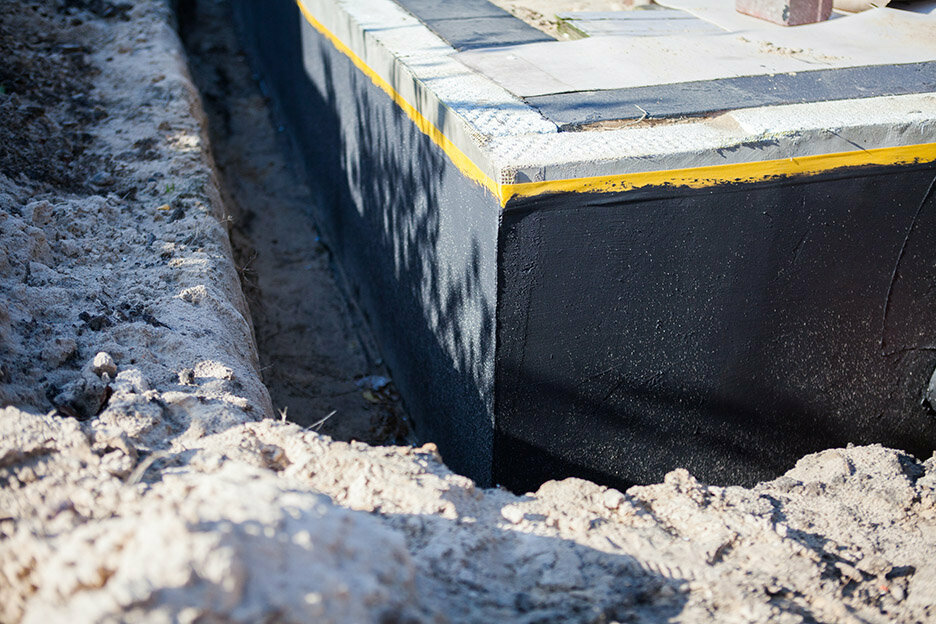
Applying closed cell spray foam to the outside of a foundation is one of the most effective ways to seal a building. This material sticks directly to the concrete and expands to fill every tiny hole or gap. It serves as both a thermal insulator and a waterproof shield that lasts for the life of the structure.
Creating a Seamless Envelope
Spray foam creates a continuous layer that has no seams or joints where water could potentially leak through. This is a major advantage over traditional sheet materials that might peel away at the edges over time. The foam remains flexible enough to move with the building as it settles into the ground.
Things to Consider Before Making a Decision
Property owners must look at the specific conditions of their land before picking a waterproofing plan. The type of soil and the slope of the yard play huge roles in how much water hits the foundation. Understanding these factors helps in selecting a solution that provides the best long-term value for the investment.
Soil Composition and Grading Factors
Heavy clay soils hold onto water much longer than sandy soils, which puts more stress on the walls. If the ground slopes toward the house, water will naturally pool against the foundation during every rainstorm. Fixing the grade of the land often goes hand in hand with applying new waterproofing layers.
Bonus Tip For Sump Pumps
Consider installing a high-quality sump pump system if your property sits in a low-lying area with a high water table. A pump acts as a safety net by removing water that gathers under the floor before it can rise. This keeps the pressure off your waterproof coatings and ensures the basement stays dry during floods.
Professional Strategies for Managing Moisture
Experienced service providers use a mix of materials to ensure a building stays dry in any weather. They often combine air sealing with specialized coatings to address every possible entry point for moisture. This comprehensive approach is what truly eliminates the damp smells that plague many older properties.
Benefits of Professional Grade Materials
Using high-performance insulation products provides a level of protection that standard hardware store sealants cannot match. These materials are designed to handle the chemical environment of the soil without breaking down or losing their grip.
- Closed cell foams provide a permanent barrier that does not require reapplication every few years.
- Waterproof coatings prevent the growth of mold by cutting off the moisture supply that fungi need to survive.
- Structural reinforcement from dense foams helps stabilize foundation walls against the weight of the surrounding earth.
- Professional air sealing reduces the load on dehumidifiers by keeping the basement humidity at a healthy level.
Long Term Property Protection
Investing in a high-quality barrier protects the wooden framing and flooring inside the basement from rot. When the foundation is dry, the rest of the house stays healthier and more structurally sound. This prevents the need for expensive structural repairs that can cost tens of thousands of dollars later.
Additional Information on Maintenance
Even the best waterproofing systems benefit from a quick annual check of the exterior perimeter. Look for new cracks in the soil or areas where the ground has settled near the walls. Keeping the exterior environment controlled helps the waterproofing materials perform at their peak level for decades.
Helpful Answers for Property Owners
Does waterproofing always require digging up the yard?
While exterior waterproofing is the most effective, there are interior methods that do not require excavation. Interior drainage systems and specialized wall coatings can manage moisture from the inside of the building. A professional can help determine if an interior or exterior approach is best for your specific situation.
How long does foundation waterproofing usually last?
High-quality materials like closed cell spray foam are designed to last as long as the building itself. Most professional applications provide a permanent solution that does not need maintenance or replacement. Cheaper sealants might only last a few years before the water starts to find a way back inside.
Will waterproofing my foundation stop the smell immediately?
Once the moisture source is blocked, the damp smell will begin to fade as the basement dries out. However, you may need to clean existing mold or replace damp drywall to completely remove all odors. Using a dehumidifier for a few weeks after the project is finished can help speed up this drying process.
Can I waterproof a foundation during the winter months?
Interior waterproofing can be done at any time of year because the environment is controlled. Exterior work is more difficult in the winter if the ground is frozen, as digging becomes nearly impossible. It is best to plan exterior foundation projects for the spring or summer when the soil is easier to manage.
Is mold growth always visible if there is a moisture problem?
Mold often grows behind walls or under flooring, where it cannot be seen by the naked eye. If you smell a musty odor but do not see any stains, water is likely hidden in the wall cavities. Waterproofing stops this hidden growth by removing the dampness that allows mold to thrive in those dark spaces.
Final Summary of Foundation Protection
Ending damp smells requires a commitment to sealing the building envelope against liquid water and vapor. By identifying the source of moisture and applying the correct protective layers, property owners can enjoy a fresh and dry indoor environment. It is important to evaluate the soil, grading, and structural needs of the building before starting any project. Proper waterproofing is an investment that pays for itself through improved air quality and increased property value.
Professional Support for Waterproofing Projects
High-quality foundation protection is the key to a healthy and durable building. High Country Solutions supports performance-driven projects with a commitment to durability and moisture management. They offer a wide range of services including foundation waterproofing, spray foam insulation, and specialized coatings. If you are dealing with damp smells or moisture issues, contact them at (307) 248-9063 or email admin@highcountrysol.com to learn how they can help secure your property today.
Author: Skeeter Aimone, co-founder of High Country Solutions, develops eco-friendly products to improve sustainability in outdoor gear. Brad Morrison leads the company’s technology strategy, creating systems that enhance outdoor experiences while prioritizing environmental responsibility. Established in 2018, they bring years of experience to advancing sustainable outdoor living through high-performance, responsible insulation materials.
Reviewer: Samuel Harris has worked across various roles in spray foam insulation over 11 years. His review focused on how businesses can better present their services to both new and returning clients.

