Something remarkable is happening in homes across Britain. While the world chases the latest smart heating technology and energy-efficient innovations, more homeowners are looking backward to move forward. They’re choosing heating solutions that their great-grandparents would recognize, and they’re doing it for reasons that go far beyond nostalgia. The resurgence of traditional heating isn’t about rejecting progress; it’s about recognizing that some solutions were perfected long before anyone thought they needed improving.
Why Traditional Iron Heating Remains Unmatched
A cast iron radiator doesn’t just heat a room; it transforms how that space feels throughout the day. The difference becomes obvious within hours of installation. Modern radiators work on a simple principle: get hot fast, cool down fast, repeat constantly. They’re responsive, which sounds ideal until you live with the reality. Your heating clicks on, the room warms up, the thermostat is satisfied, everything shuts off, and twenty minutes later the cycle starts again. You’re living in a constant state of thermal flux without necessarily realizing it.
Traditional iron works differently because physics demands it. The material’s density and mass mean it absorbs heat gradually but releases it even more slowly. When your boiler fires for an hour, that radiator continues warming your space for three or four hours afterward. The heat feels fundamentally different too. It’s not forced air circulation or rapid convection; it’s gentle radiant warmth similar to standing near sun-warmed stone. Your body recognizes the difference immediately, even if your conscious mind doesn’t initially understand why the room feels more comfortable.
The manufacturing process hasn’t changed significantly in over a century because it reached near perfection early. Molten iron poured into carefully prepared sand molds, cooled slowly to prevent stress fractures, then assembled section by section with precision-ground joining faces. Each piece carries real weight and substance. This isn’t hollow stamped steel or extruded aluminum. When you place your hand on one, you’re touching something built to outlast everyone currently living in the house.
The Performance Gap Nobody Talks About
Modern heating manufacturers spend millions marketing their latest innovations. Compact designs, rapid heat-up times, low water content, smart connectivity. These features sound impressive in brochures and showrooms. They test well in laboratories under controlled conditions. But laboratories don’t capture how heating systems perform in real homes with real people living real lives.
Steel panel radiators dominate new construction because they’re cheap, lightweight, and easy to install. They do provide heat; that’s not in question. But the heat delivery is inconsistent. The panels get hot quickly when the system runs, then cool to near room temperature within minutes of shutting off. This creates the temperature swings that make you adjust thermostats constantly, pile on extra layers mid-afternoon, then strip them off when the heating cycles back on. It’s functional but far from comfortable.
Aluminum radiators promise high output from small footprints, appealing when space is limited. The marketing emphasizes efficiency and responsiveness. What they don’t mention is how that rapid response works against comfort. The heat is immediate and intense, then gone just as quickly. There’s no thermal buffer, no sustained warmth. You’re either actively heating or actively cooling with nothing in between.
Designer radiators in chrome, stainless steel, and exotic finishes offer visual appeal but typically poor thermal performance. The thin materials and vertical ladder designs favored for bathrooms heat quickly but hold almost no thermal mass. They’re decorative objects that happen to get warm rather than heating solutions that happen to look good.
Traditional iron sidesteps all these compromises. The mass that makes them heavy and slow to install is exactly what makes them superior for daily comfort. Once warm, they maintain stable output for hours regardless of boiler cycling. Room temperatures stay consistent. You’re not constantly aware of the heating system because it’s not constantly making its presence known through temperature changes.
Design Options Beyond Victorian Reproduction
Many people assume traditional radiators mean ornate Victorian patterns exclusively. While those designs remain popular and authentic for period properties, the options extend far beyond elaborate floral motifs and scrollwork. Column radiators offer clean, architectural lines that suit both period and contemporary spaces. The repetitive vertical elements create visual rhythm without fussy decoration.
Two-column models present a slim profile ideal for narrow spaces. Hallways, bathrooms, and behind-door locations all benefit from this compact footprint. Despite their slender appearance, they provide adequate warmth for smaller rooms. Three-column radiators balance output with proportions that work in most residential spaces. Bedrooms, studies, and medium living rooms typically suit this configuration well.
Four-column radiators step up in both heating capacity and visual presence. These are the workhorses found in main reception rooms, open-plan living areas, and anywhere substantial warmth is essential. The increased depth from the wall becomes an asset rather than a limitation, creating shadow lines and architectural interest. Six-column versions make bold statements in grand spaces with high ceilings where both heating capacity and visual impact matter equally.
Beyond column count, height variations change the aesthetic dramatically. Low radiators under windows maximize wall space for artwork and furniture while utilizing areas typically wasted. Tall radiators suit narrow wall sections, alcoves, and spaces between windows in bay configurations. Some properties benefit from floor-to-ceiling installations that become sculptural room dividers while providing exceptional heat output.
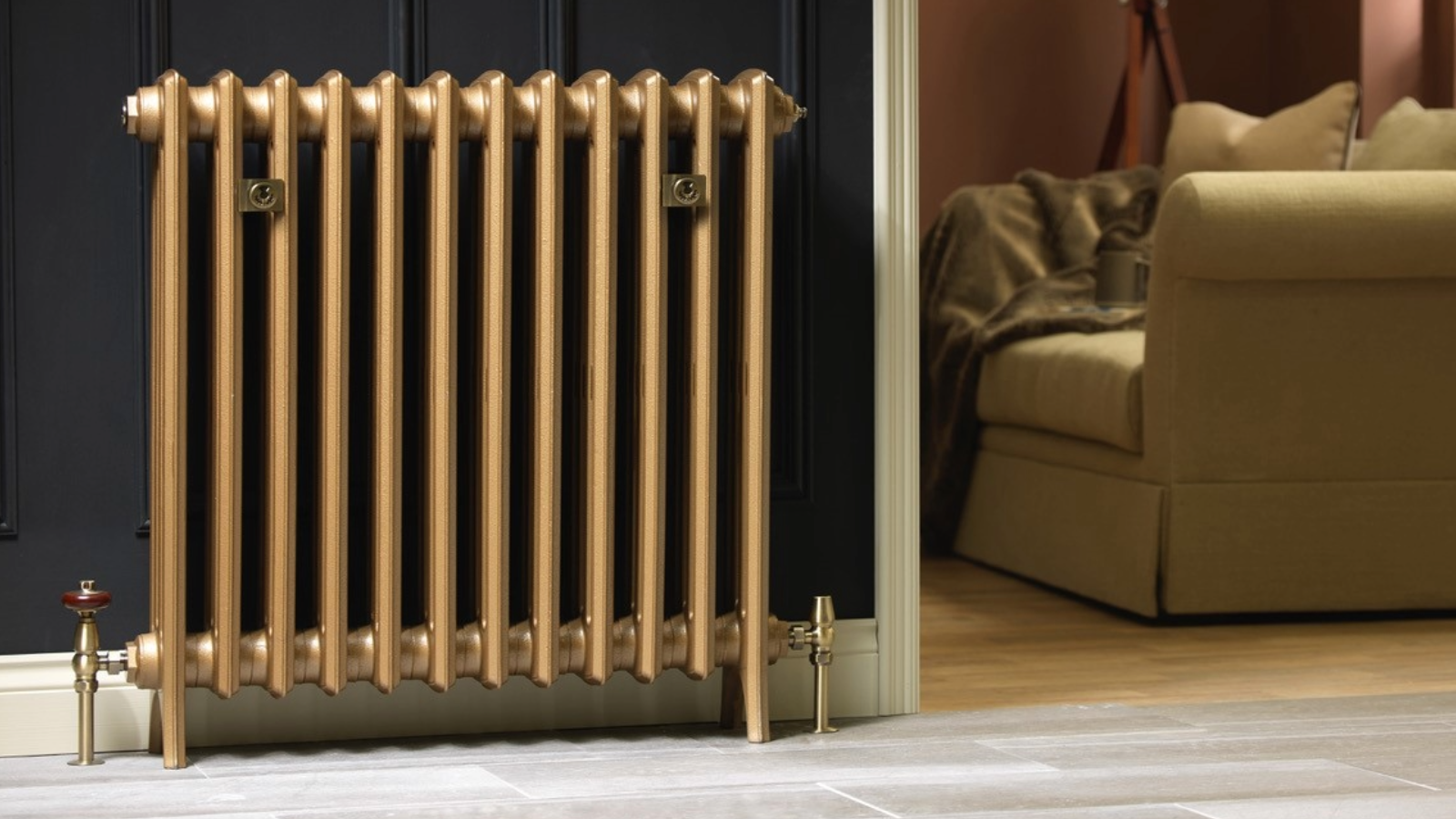
Finish options extend far beyond basic white or cream. Primer finishes allow custom painting to match any color scheme exactly. Metallic finishes in polished brass, antique copper, or brushed steel suit specific design aesthetics. Some manufacturers offer RAL color matching, providing access to thousands of precise shades. The right finish transforms a radiator from functional necessity into intentional design element.
Installation Realities You Need to Know
Installing traditional radiators requires more planning than modern alternatives, but the extra effort pays dividends in performance and longevity. Weight is the primary consideration. A ten-section radiator easily weighs 70 to 90 kilograms. Larger models exceed 150 kilograms. This isn’t a one-person job, and treating it as such risks personal injury and property damage.
Floor strength matters, particularly in older buildings with suspended timber floors. The weight must distribute across joists, not between them. Sometimes additional support beams or reinforced flooring becomes necessary before installation. Ground floor installations on solid concrete rarely present problems, but upper floors need careful assessment. The last thing anyone wants is a radiator making an unexpected journey through the ceiling below.
Wall fixings aren’t optional extras; they’re essential safety components. Wall stays connect the radiator back to the wall, preventing forward tipping. Given the height and weight involved, proper wall fixings are non-negotiable. Standard wall plugs won’t suffice. You need heavy-duty fixings appropriate for your wall construction, whether solid masonry, cavity walls, or lath and plaster in heritage properties.
Pipework positioning requires precision. Unlike modern radiators with adjustable valve positions, traditional models have fixed inlet and outlet locations. Your pipes must align exactly with these connection points. Experienced installers often prefer having the physical radiator on-site before finalizing pipe runs, ensuring perfect alignment and avoiding expensive remedial work.
Keeping Traditional Radiators Running Forever
The remarkable durability of traditional radiators isn’t accidental. Properly maintained examples provide reliable service for over a century. This longevity stems from respecting the material’s characteristics and following straightforward maintenance protocols. Iron’s primary enemy is internal corrosion from oxygen-rich water circulating through heating systems.
Corrosion inhibitor protects against this degradation. This chemical additive should be present in all central heating systems, protecting not just radiators but boilers, pipes, and pumps. Annual maintenance should include checking inhibitor levels and topping up as necessary. This simple step costs very little but extends system life indefinitely.
External maintenance is refreshingly simple. Regular dusting prevents buildup that reduces heat output and creates marks on walls. Twice yearly, deeper cleaning with warm water and mild detergent keeps finishes looking fresh. Avoid harsh chemicals that might damage protective coatings or painted surfaces. For detailed patterns, soft brushes reach intricate areas without causing scratches.
Bleeding air from radiators improves efficiency dramatically. Air naturally accumulates, especially after summer when systems drain for maintenance. At the heating season’s start, check all radiators for cold spots at the top. If present, open the bleed valve with a radiator key until water appears, then close immediately. This takes minutes but makes a noticeable difference in heat distribution.
The True Cost of Quality Heating
Traditional radiators cost more initially than basic modern alternatives. This price difference stops many people from considering them, but that’s short-term thinking that ignores long-term value. These aren’t disposable products with planned obsolescence. They’re architectural features that enhance homes and increase property values.
Consider the lifespan economics. A basic modern radiator costing £100 might last 15 years, effectively costing £6.67 annually. A traditional radiator costing £500 that lasts 50 years costs £10 annually, and many last far longer with proper maintenance. Factor in replacement costs, installation labor, and system disruption over decades, and the economics favor quality over initial price.
Property value considerations matter too. Estate agents consistently report that period features command premium prices. Buyers actively seek homes with character, paying more for properties maintaining architectural integrity. Appropriate heating features contribute significantly to this appeal. They’re not just functional equipment; they’re design elements that buyers notice and value.
Quality varies enormously in this market. Cheap imports might look acceptable in photographs but often disappoint in reality. Thin casting, poor finishing, and inadequate quality control lead to premature failures. Established manufacturers using traditional methods cost more initially but deliver reliability and longevity that justify the investment.
Living With Warmth That Lasts
The choice between traditional and modern heating ultimately comes down to what you value. If rapid response and minimal initial cost matter most, modern radiators serve adequately. But if consistent comfort, lasting quality, and aesthetic integrity matter, traditional iron offers something contemporary alternatives cannot match.
The gentle, sustained warmth creates a different quality of comfort. It’s not just about reaching a target temperature; it’s about maintaining that comfort without constant adjustment. The difference between being heated and being warm might seem subtle on paper, but it’s immediately apparent in daily living. Rooms feel more welcoming, more stable, more comfortable in ways that thermostats cannot measure but bodies definitely notice.
Choosing traditional radiators means investing in permanence rather than convenience. It’s a commitment to quality that transcends temporary trends and short-term thinking. In an age of disposable consumer goods and constant upgrades, there’s genuine satisfaction in installing something built to last generations while performing beautifully every single day.