The mining sector plays a vital role in driving India’s infrastructure and industrial growth. With the increasing demand for steel, the role of iron ore miners in India has become more significant than ever. However, as environmental awareness rises and regulations tighten, sustainability has emerged as a top priority across the mining industry. Today’s leading mining companies are not only focused on extraction but also on adopting eco-friendly methods, efficient resource management, and responsible operations. These practices ensure minimal environmental impact while supporting long-term growth for steel manufacturers, including every tmt bar company that depends on high-quality raw materials.
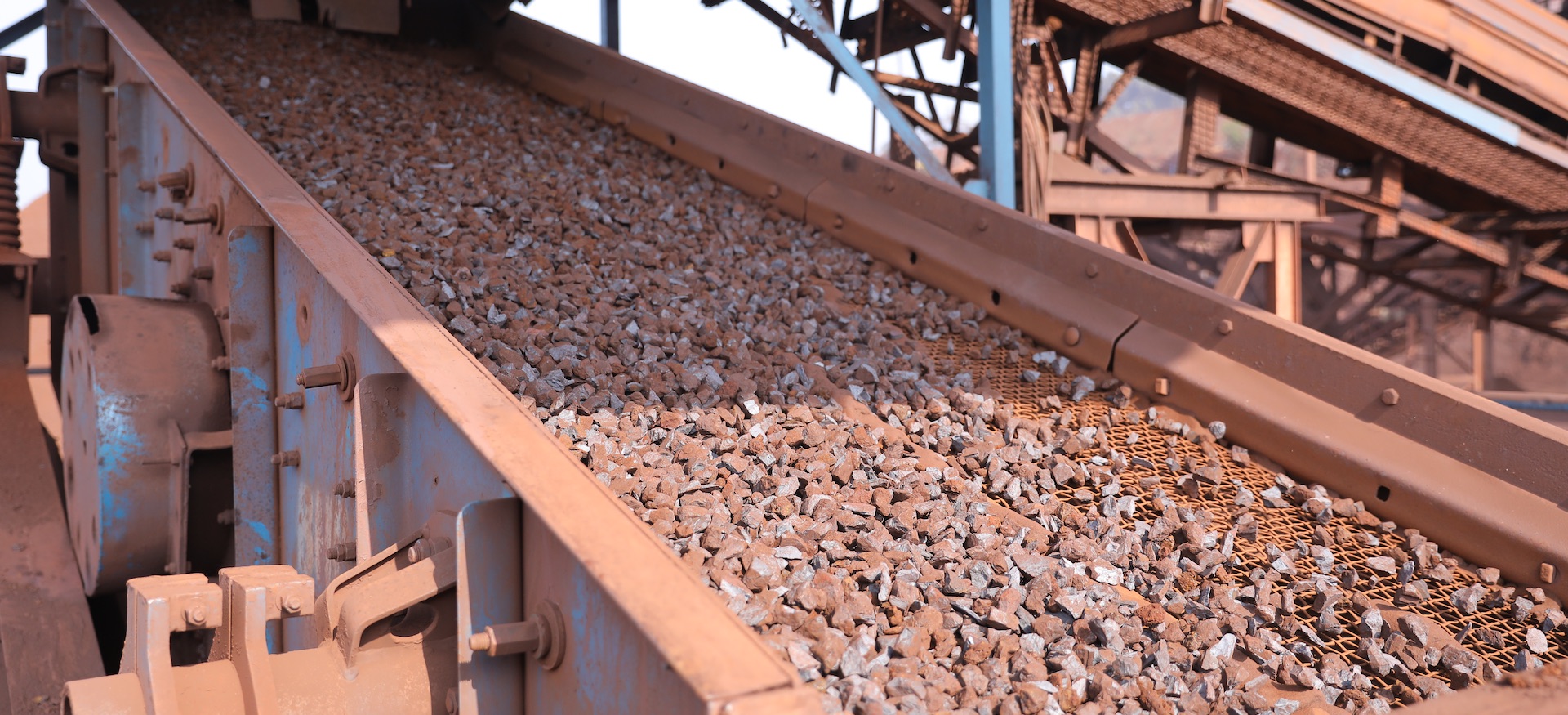
1. Sustainable Mining Through Technological Advancements
Modern mining companies are investing heavily in advanced technologies to reduce waste, improve efficiency, and minimize ecological disruption. Technologies such as automated drilling, drone surveying, GPS-based ore tracking, and real-time data monitoring help optimize extraction and reduce fuel consumption.
Automation also enhances worker safety by reducing manual operations in high-risk zones. These advancements allow iron ore miners in Indiato improve productivity while maintaining responsible extraction processes that safeguard the environment.
2. Responsible Land Management and Rehabilitation
One of the primary sustainability initiatives in mining is land reclamation. After completing extraction in a particular area, responsible miners restore the land by:
-
Refilling excavated spaces
-
Reforesting and planting native vegetation
-
Creating water reservoirs
-
Stabilizing soil to prevent erosion
These rehabilitation practices ensure that mined lands are returned to productive use, preserving biodiversity and supporting local ecosystems. Many mining companies work closely with environmental experts and government agencies to ensure compliance with land restoration guidelines.
3. Water Conservation and Recycling
Water is an essential part of the mining process, especially for ore beneficiation. To reduce consumption and wastage, miners are adopting:
-
Closed-loop water systems
-
Rainwater harvesting
-
Filtration and reuse of process water
-
Zero-liquid-discharge technologies
Such practices ensure that mining operations do not deplete local water resources. Leading iron ore miners in India have significantly reduced freshwater usage, benefiting nearby communities and ecosystems. Sustainable water management is also critical for supporting downstream industries like steel manufacturing and every tmt bar company that relies on clean, consistent resources.
4. Using Renewable Energy Sources
Many iron ore mining companies are shifting towards renewable energy to lower carbon emissions. Solar panels, wind energy projects, and biomass-powered systems are increasingly being integrated into mining sites.
These energy solutions help reduce reliance on diesel generators and thermal power, lowering the carbon footprint of mining operations. Additionally, energy-efficient machinery and LED lighting systems contribute to overall sustainability goals.
5. Air Quality Management and Dust Control
Mining activities have the potential to generate dust and emissions that can affect air quality. To combat this, companies use:
-
Water sprinklers and mist cannons
-
Enclosed conveyor belts
-
Dust extraction systems
-
Plantation barriers around mine perimeters
Regular air quality monitoring ensures compliance with environmental standards. Responsible iron ore miners in India continuously invest in dust suppression technologies to minimize pollution and safeguard the health of workers and surrounding communities.
6. Sustainable Transportation and Logistics
Efficient logistics systems reduce fuel consumption and environmental impact. Companies now adopt:
-
Optimized trucking routes
-
GPS-enabled fleet tracking
-
Energy-efficient locomotives
-
Reduced empty return trips
Some mining operations use slurry pipelines or conveyor systems, which significantly reduce emissions compared to traditional trucking. Sustainable logistics also ensures the timely supply of raw materials to mills, benefiting every partnering tmt bar company.
7. Waste Management and Recycling Initiatives
Mining generates various types of waste, including overburden, tailings, and mineral residues. Modern miners follow strict guidelines for waste disposal and implement processes such as:
-
Reusing overburden for land rehabilitation
-
Stabilizing mine tailings in secure storage
-
Recycling scrap metal components
-
Creating by-products for the cement and construction industries
These waste management measures reduce environmental pollution and improve resource efficiency.
8. Biodiversity Protection and Ecological Balance
Before starting mining operations, companies conduct detailed Environmental Impact Assessments (EIA) to evaluate potential risks to local flora and fauna. Sustainable miners:
-
Establish wildlife corridors
-
Protect endangered species habitats
-
Avoid mining in ecologically sensitive zones
-
Implement continuous ecological monitoring
Some mining companies collaborate with NGOs and environmental organizations to preserve biodiversity and promote reforestation.
9. Community Development and Social Responsibility
Modern mining involves more than just extraction; it includes uplifting the communities around mining sites. Sustainable practices include:
-
Offering employment to residents
-
Building schools, hospitals, and infrastructure
-
Supporting skill development programs
-
Conducting health camps and awareness drives
-
Supporting local agriculture and livelihood initiatives
This ensures that mining positively contributes to the region’s economic development.
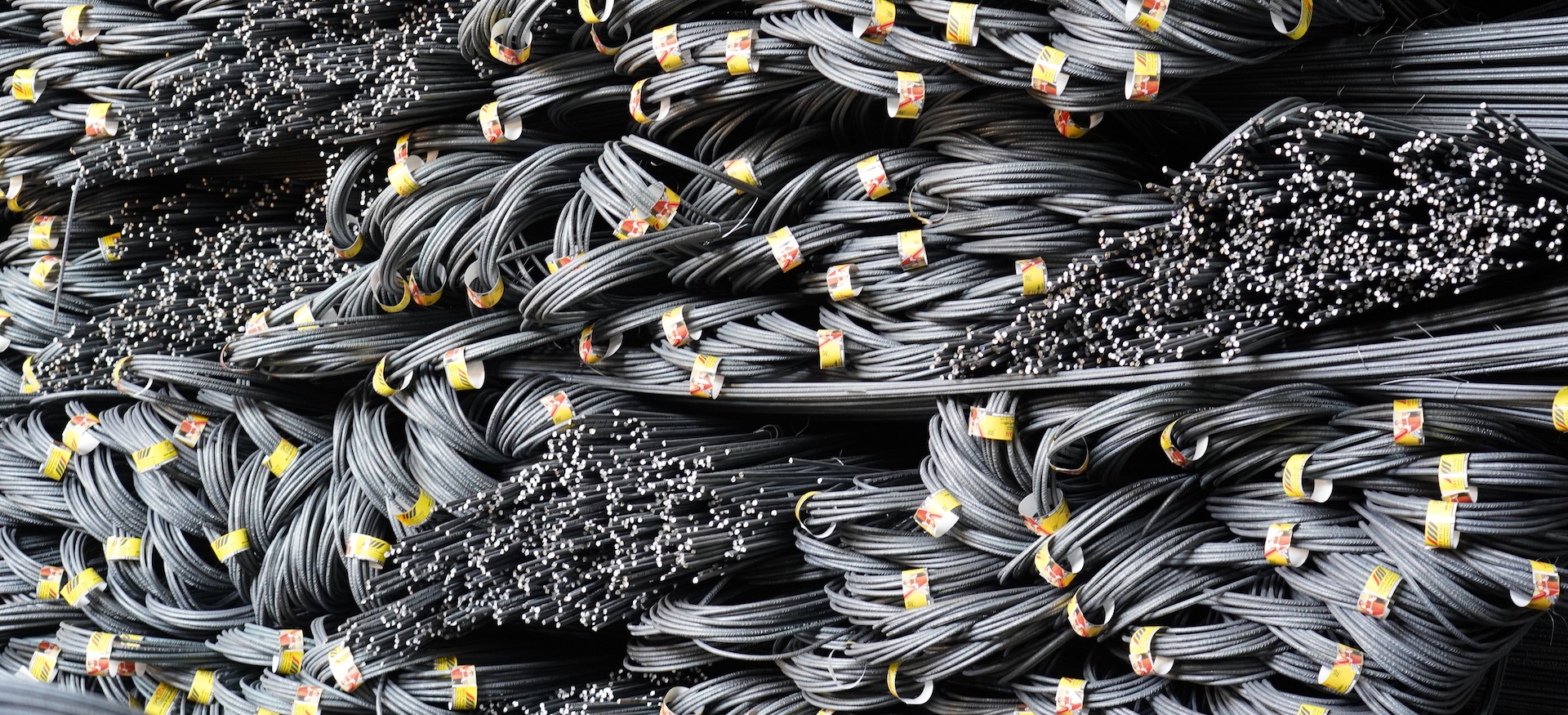
10. Ensuring Supply Chain Sustainability for Steel and TMT Industries
Mining sustainability directly impacts downstream industries, especially steel manufacturers and every tmt bar company that relies on high-quality iron ore. Consistent quality, ethical sourcing, and responsible operations help create a cleaner steel supply chain, promoting safer and more durable construction across India.
By adopting these environmentally conscious practices, miners support the production of strong, reliable TMT bars used in homes, bridges, and infrastructure projects.
Conclusion
Today’s leading iron ore miners in India are redefining the mining landscape by adopting sustainable, responsible, and technology-driven practices. From land rehabilitation and water conservation to renewable energy use and community engagement, these initiatives ensure minimal environmental impact while supporting industrial growth. Such sustainable mining not only benefits the environment but also strengthens the supply chain for steel production, enabling every tmt bar company to deliver high-quality, eco-friendly construction materials.
For reliable and sustainable mining solutions rooted in advanced technology, quality, and environmental responsibility, Sree Metaliks remains a trusted name and a leader in India’s mining and steel industry.