Choosing a race trailer is a major step for drivers, teams, and motorsport enthusiasts who rely on dependable transport for high-value vehicles and equipment. Many buyers explore custom race trailers expecting long-term performance, added convenience, and a setup that supports their racing goals. During this process, certain missteps can lead to wasted money, limited functionality, or ongoing challenges during travel and race-day preparation.
This guide examines the most common mistakes buyers encounter and highlights clear considerations that support a thoughtful, informed purchase.
Mistake 1: Overlooking Weight Requirements and Tow Capacity
The weight of the trailer, vehicle, tools, spare parts, and accessories impacts how safely the setup performs on the road. Misjudging total load capacity can strain the tow vehicle, weaken trailer components, and reduce handling control.
A proper match between trailer size, axle rating, and tow vehicle strength plays an essential role in reliability. Buyers should examine gross vehicle weight ratings, potential load increases over time, and how often long-haul towing will occur.
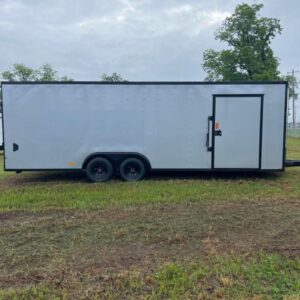
Mistake 2: Choosing the Wrong Trailer Size for the Racing Setup
Selecting a trailer solely based on the vehicle’s length often leads to cramped interiors or awkward loading situations. A race trailer should comfortably support the car while still allowing space for movement, storage areas, cabinets, and work zones.
Many racers underestimate how much room they need for tires, tools, cleaning supplies, fluids, safety equipment, and spare parts. Overlooking this interior space often leads to cluttered layouts or the need for costly upgrades shortly after purchase.
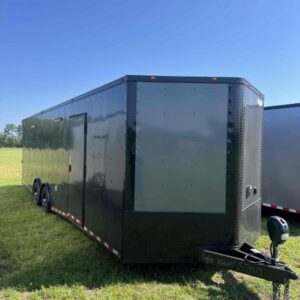
Mistake 3: Ignoring Ventilation, Climate Control, and Airflow Needs
Race cars often produce heat, fuel vapors, and odors that require balanced ventilation. Trailers without proper vent placements or air systems can lead to trapped fumes, rising temperatures, and discomfort during maintenance work.
Vent placement, fans, insulation, and airflow channeling play a significant role in protecting the car and improving comfort for anyone working inside. Custom builds allow these details to be addressed early, but buyers frequently skip this step during the design process.
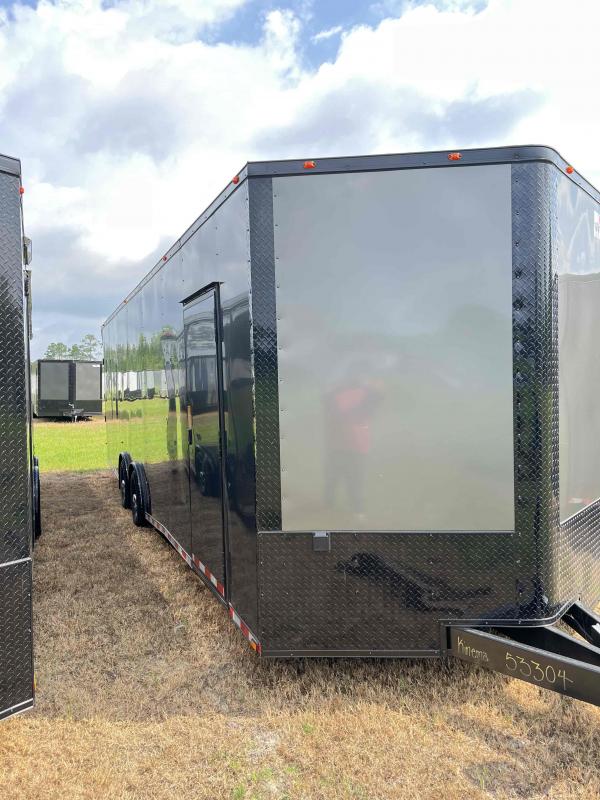
Mistake 4: Forgetting Electrical Requirements for Tools and Equipment
Many racing teams rely on power tools, battery chargers, lighting systems, small appliances, and electronic diagnostics. Without a proper electrical plan, users encounter overloaded circuits, insufficient outlets, or reliance on external generators.
A strong electrical layout includes dedicated circuits, grounded outlets, LED lighting, and optional solar support. Buyers often regret skipping these features once they begin using the trailer regularly.
Mistake 5: Selecting Inadequate Storage Systems
Storage plays a large role in efficiency during race weekends. Without planned storage, teams lose valuable time searching for tools or moving clutter around the workspace.
Cabinets, overhead racks, tire racks, wall mounts, and floor anchors help maintain order. Many racers need more space than anticipated, especially when traveling to multiple events throughout the season.
Mistake 6: Underestimating the Importance of a Reliable Loading System
A safe loading process determines how confidently the race car can be moved in and out of the trailer. Buyers often overlook ramp angle, traction surface, door opening width, and winch placement.
Low-profile cars require specific ramp heights and angles to prevent scraping. A misaligned or narrow entry can complicate loading and result in damage. A thoughtful loading setup saves time and protects valuable equipment.
Mistake 7: Overlooking Build Quality and Material Choices
Not all trailers use the same grade of materials. Low-quality flooring, thin walls, or poorly welded joints may reduce the trailer’s lifespan. Buyers sometimes focus on aesthetics while missing crucial structural choices such as:
-
Frame thickness
-
Flooring type
-
Wall insulation
-
Roof construction
-
Fastener durability
These details influence how well the trailer holds up during regular transport and exposure to the elements.
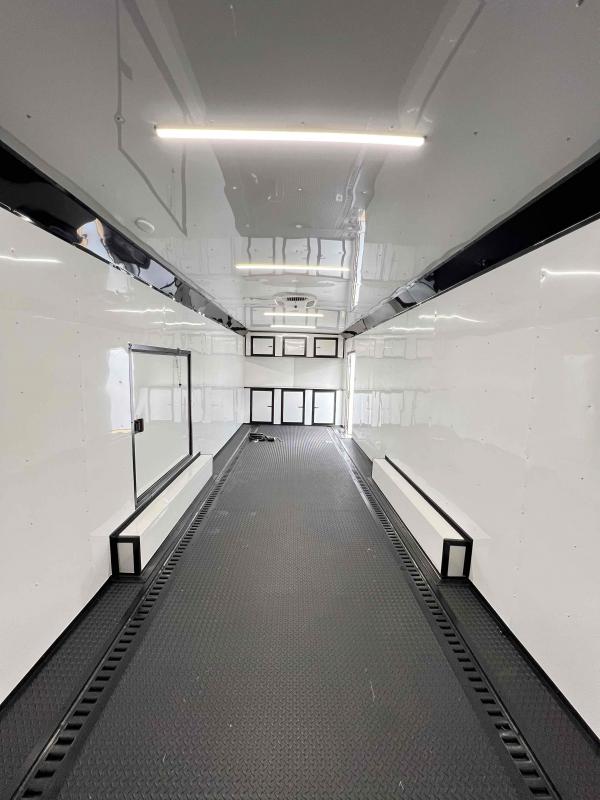
Mistake 8: Not Considering Long-Term Racing Plans
Motorsport needs change over time. Some drivers upgrade vehicles, expand their team, or travel farther for events. A trailer that feels adequate early on may quickly reach its limits.
Thinking ahead about vehicle upgrades, additional teammates, growing tool collections, and future racing goals helps avoid buying too small or too simple of a trailer.
Mistake 9: Failing to Plan for Maintenance and Upkeep
Race trailers face regular wear from long-distance travel, varying weather, and constant loading activity. Buyers sometimes overlook maintenance needs such as:
-
Tire health
-
Brake system checks
-
Hydraulic door servicing
-
Lighting and wiring inspections
-
Seal and roof integrity checks
Understanding these responsibilities early helps maintain safe performance for years to come.
Mistake 10: Choosing Style Over Practicality
Sleek exteriors and high-end finishes appeal to many buyers, but function should lead form. A trailer with attractive graphics but limited storage or poor layout may create frustration during race events.
Function-focused designs support quicker setups, faster repair work, better organization, and safer vehicle handling.
Conclusion
A race trailer serves as both a transport system and a mobile workstation. Avoiding common mistakes during the buying process helps protect valuable equipment, improve safety, and support smoother race-day experiences. By evaluating long-term plans, structural strength, interior layout, ventilation, weight capacity, and loading requirements, buyers create a setup that serves their goals across all seasons of competition.