
Water is life. In India, where agriculture accounts for nearly 90% of freshwater use, access to water isn’t just about quenching thirst-it’s about ensuring food security, livelihoods, and dignity. Climate change has only intensified the challenge, with erratic monsoons, depleting aquifers, and growing demand putting pressure on communities.
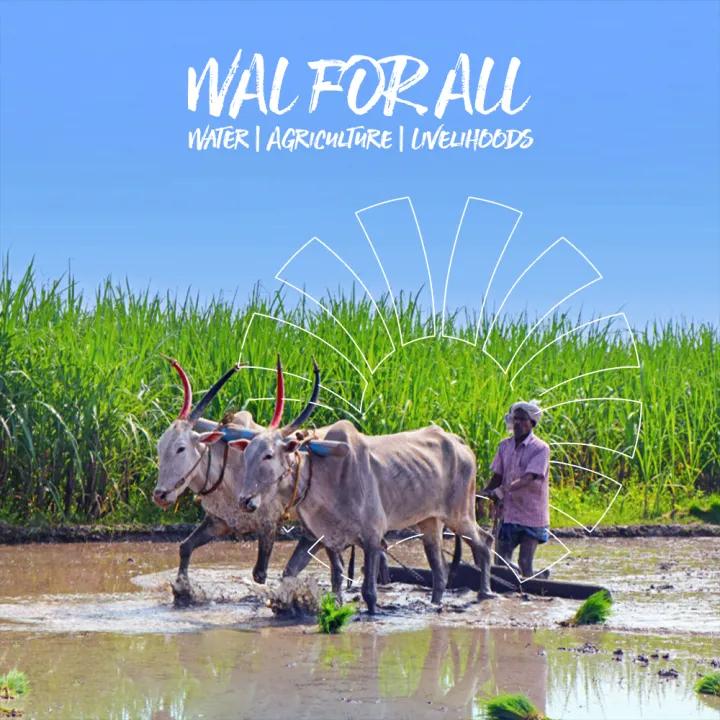
This is where Pernod Ricard India (PRI) has stepped in with its flagship Water-Agriculture-Livelihoods (W.A.L.) programme, a model that ties environmental stewardship with economic empowerment.
Why water is central to PRI’s mission
For an alcobev company, water is not just a key raw material-it’s the backbone of production, agriculture, and community resilience. Recognizing this, PRI has made water stewardship a core CSR priority. In FY23-24, the company reported touching 8.19 lakh lives, with 18,000+ farmers supported and 1.63 lakh trees planted across India through its CSR programs.
But these numbers tell only part of the story-the real impact lies in how W.A.L. is reshaping villages, farms, and families.
Also Read :- Good Times, Responsibly – From Safer Nights Out to Climate Action
The W.A.L. approach: more than just water
At its heart, W.A.L. combines Reduce, Reuse, Recycle, Recharge (4Rs) within company operations and extends the same ethos to community projects. Some highlights:
- Watershed development: PRI funds check dams, recharge wells, and rainwater harvesting structures to ensure rainwater doesn’t run off but replenishes aquifers.
- Smart agriculture: Farmers are trained in water-efficient practices like drip irrigation and crop diversification. This not only reduces water stress but also boosts yields.
- Livelihood linkages: Women’s self-help groups and farmer collectives are formed to ensure that water gains translate into steady income growth.
Project Samridhi: a case in point
One of the most impactful interventions is Project Samridhi in Alwar, Rajasthan, run in partnership with S M Sehgal Foundation. The project covers multiple Gram Panchayats and integrates watershed management with farm-based livelihoods.
The result? Villages that once struggled with drinking water shortages now see improved groundwater levels. Farmers are switching to water-efficient crops, while women’s groups are generating additional income through collective activities. It’s a classic case of how ecological restoration can fuel economic growth.
WASH: linking water to dignity and health
Water is not just about irrigation-it’s about health and dignity. PRI’s WASH (Water, Sanitation & Hygiene) projects in water-stressed states provide access to clean drinking water, promote hygiene education, and improve sanitation. This has ripple effects on school attendance, women’s safety, and community health outcomes.
Sustainability within the factory gates
Importantly, PRI practices what it preaches. At its Indian production facilities, 100% of water is recycled, and nearly 80% have rainwater harvesting systems in place. Between 2015 and 2020, PRI reduced its water intensity by 54%-a staggering achievement for a resource-heavy industry.
The Nashik winery and Rocky distillery also became the first in their categories to earn FSSC 22000 certification, showing that water stewardship and quality go hand-in-hand.
Why this matters
By pairing water sustainability with livelihoods, PRI is creating a holistic model-one where communities don’t just survive, but thrive. Farmers earn more, women gain agency, and children grow up healthier.
Water, after all, is prosperity-and PRI is helping India refill its future, one drop at a time.