
When the scorching heat of summer arrives, few things are as comforting as a well-functioning air conditioner. However, many homeowners overlook a simple yet crucial component that greatly affects their AC’s efficiency and longevity: the air filter. A clean filter not only ensures the air you breathe is fresh but also plays a pivotal role in the overall performance of your cooling system. This article delves into why maintaining a clean AC filter is essential, how it impacts your system, and practical tips for keeping it in top shape.
The Role of an Air Filter in Your AC System
At its core, an air conditioner works by pulling warm air from your home, cooling it, and then circulating the chilled air back inside. The air filter is the first line of defense in this process. It traps dust, pollen, pet dander, and other airborne particles before the air reaches the internal components of the AC unit.
Without a filter, these contaminants would accumulate inside the system, leading to clogs, reduced airflow, and potential damage to sensitive parts like the evaporator coil. Essentially, the filter protects both your indoor air quality and the mechanical health of your AC.
Types of AC Filters
Air filters come in various types and ratings, each designed to capture different sizes and amounts of particles. The most common types include fiberglass filters, pleated filters, electrostatic filters, and HEPA filters. Fiberglass filters are inexpensive and disposable but less effective at trapping small particles. Pleated filters offer better filtration and are widely used in residential systems. Electrostatic filters use static electricity to attract particles, while HEPA filters provide the highest level of filtration, often used in specialized settings.
Choosing the right filter depends on your specific needs, such as allergies, pets, or environmental factors. For instance, households with pets may benefit from pleated or HEPA filters, which can capture pet hair and dander more effectively. Additionally, those living in urban areas with high pollution levels might opt for filters that can trap finer particulates, ensuring cleaner air circulation. Regardless of type, regular cleaning or replacement is critical. Most manufacturers recommend changing filters every 1 to 3 months, but this can vary based on usage and environmental conditions.
Moreover, the efficiency of your air filter can significantly impact your energy bills. A clogged or dirty filter forces your AC unit to work harder, leading to increased energy consumption. This not only shortens the lifespan of your system but also contributes to higher utility costs. Therefore, investing in a high-quality air filter and adhering to a maintenance schedule can enhance your system’s performance and longevity, ultimately providing you with a more comfortable living environment. For expert advice and professional maintenance, you can visit LS Aircon Servicing website to ensure your AC runs efficiently all year round.
How a Dirty Filter Impacts AC Performance
A clogged or dirty air filter can have a domino effect on your air conditioner’s performance. Here’s how:
Reduced Airflow
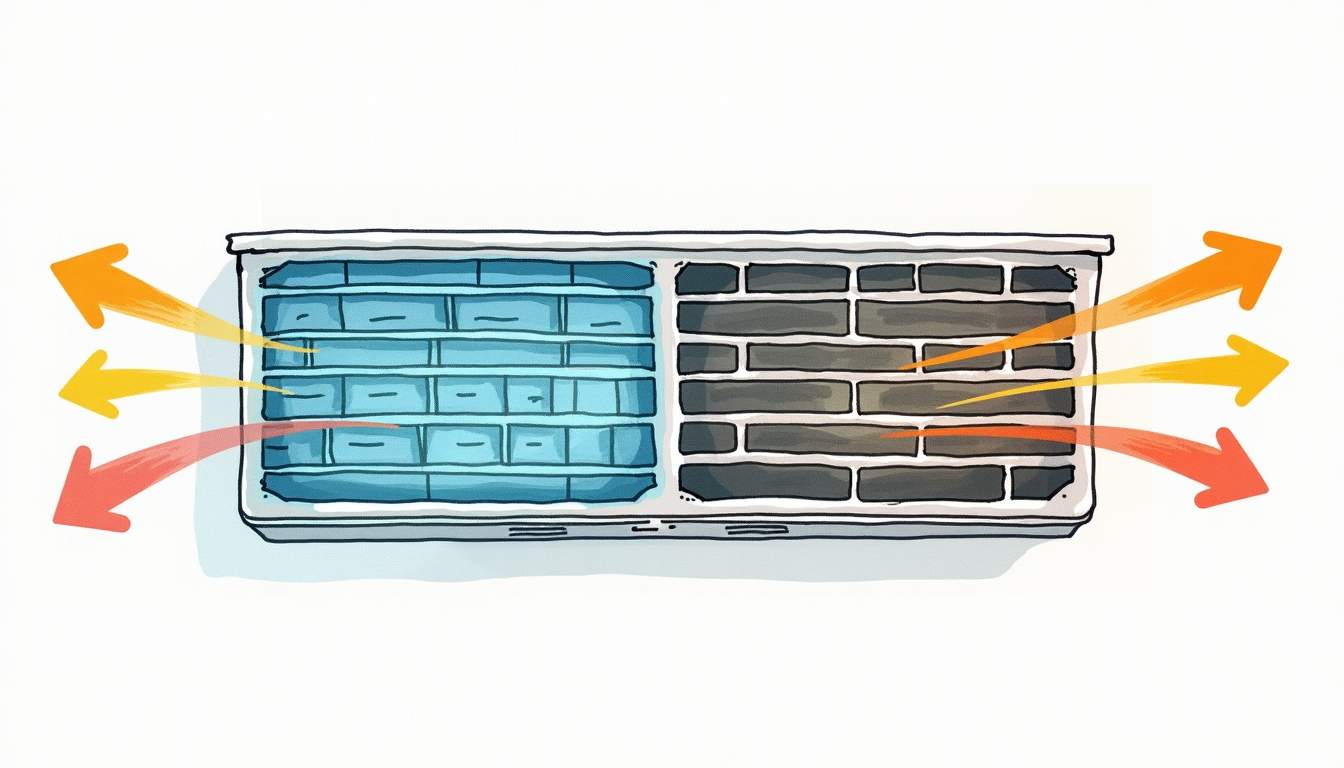
When dust and debris accumulate on the filter, it restricts the amount of air that can pass through. This reduced airflow forces the AC to work harder to circulate air, which can lead to uneven cooling and longer run times. The result is a less comfortable home environment and increased energy consumption.
Moreover, the impact of reduced airflow extends beyond mere discomfort; it can also lead to hot spots in your home. These areas may become noticeably warmer than others, making it difficult to maintain a consistent temperature throughout your living space. This inconsistency can be particularly frustrating during the sweltering summer months when you rely on your air conditioning system to provide relief from the heat. Regularly checking and replacing your air filter can help ensure that your AC operates efficiently and effectively, providing a more balanced and pleasant indoor climate.
Increased Energy Bills
Because the system has to exert more effort to push air through a dirty filter, it consumes more electricity. Studies have shown that a clogged filter can increase energy use by up to 15%, which adds up significantly over a cooling season. Keeping the filter clean helps maintain energy efficiency and keeps utility bills in check.
In addition to the direct impact on your energy bills, higher consumption can lead to a greater environmental footprint. As your AC unit works overtime, it not only drains your wallet but also contributes to increased greenhouse gas emissions associated with higher electricity usage. By prioritizing regular maintenance, such as changing your air filter, you can play a role in promoting energy conservation and reducing your overall environmental impact, all while enjoying a more comfortable home.
Wear and Tear on Components
Restricted airflow can cause the evaporator coil to freeze or overheat, leading to potential damage. Additionally, the blower motor may overwork itself, shortening its lifespan. These issues can result in costly repairs or even premature replacement of the entire unit.
Furthermore, when components like the compressor are subjected to excessive strain due to poor airflow, they may operate inefficiently, leading to further complications down the line. This not only increases the likelihood of breakdowns but can also void warranties if the system is not maintained properly. Regular filter changes are a simple yet effective way to prolong the life of your air conditioning system, ensuring that all parts function harmoniously and reducing the need for expensive repairs.
Poor Indoor Air Quality
A dirty filter is less effective at trapping allergens and pollutants, allowing them to circulate freely in your home. This can exacerbate respiratory problems, allergies, and overall discomfort for occupants, especially children and the elderly.
Additionally, poor indoor air quality can lead to other health issues, such as headaches, fatigue, and irritation of the eyes, nose, and throat. Prolonged exposure to airborne contaminants can even contribute to long-term health complications. By ensuring that your air filter is clean, you not only improve the efficiency of your air conditioning system but also create a healthier living environment. Investing in high-quality filters that capture a wider range of particles can further enhance your indoor air quality, providing peace of mind for you and your loved ones.
Signs It’s Time to Clean or Replace Your AC Filter
Recognizing when your air filter needs attention is key to maintaining optimal AC performance. Here are some common indicators:
Visible Dirt and Dust
One of the simplest ways to check is by inspecting the filter. If it looks gray or clogged with dust and debris, it’s time for cleaning or replacement. Regularly checking your filter can prevent larger issues down the line, as a clean filter not only improves air quality but also extends the lifespan of your AC unit. Consider setting a reminder every month to inspect your filter, especially during peak usage seasons.
Decreased Airflow and Cooling Efficiency
If your AC isn’t cooling as effectively as before or if you notice weak airflow from the vents, a dirty filter may be the culprit. Reduced airflow can lead to uneven cooling throughout your home, causing some rooms to feel stuffy while others remain comfortable. This imbalance can also place additional strain on your system, potentially leading to more significant repairs if left unaddressed.
Increased Energy Bills
Unexpected spikes in your electricity bill during the cooling season can signal that your AC is working harder than necessary, often due to a clogged filter. When the filter is dirty, the system has to run longer to achieve the desired temperature, which translates to higher energy consumption. By keeping your filter clean or replacing it regularly, you can not only save money but also contribute to a more energy-efficient home, reducing your carbon footprint.
Unpleasant Odors
A musty or stale smell coming from your vents can indicate mold or bacteria buildup on a dirty filter. This not only affects the comfort of your indoor environment but can also pose health risks, particularly for individuals with allergies or respiratory issues. If you notice any unusual smells, it’s advisable to check your filter and consider using a high-efficiency particulate air (HEPA) filter, which can trap smaller particles and allergens more effectively.
Additionally, it’s important to remember that the environment in which you live can impact how often you need to change your filter. For instance, homes with pets or those located in dusty areas may require more frequent replacements. Keeping track of your filter’s condition can help you maintain a healthier living space and ensure that your air conditioning system operates at peak performance.
Best Practices for Maintaining Your AC Filter
Keeping your air filter clean is a simple yet impactful maintenance task. Here are some best practices to follow:
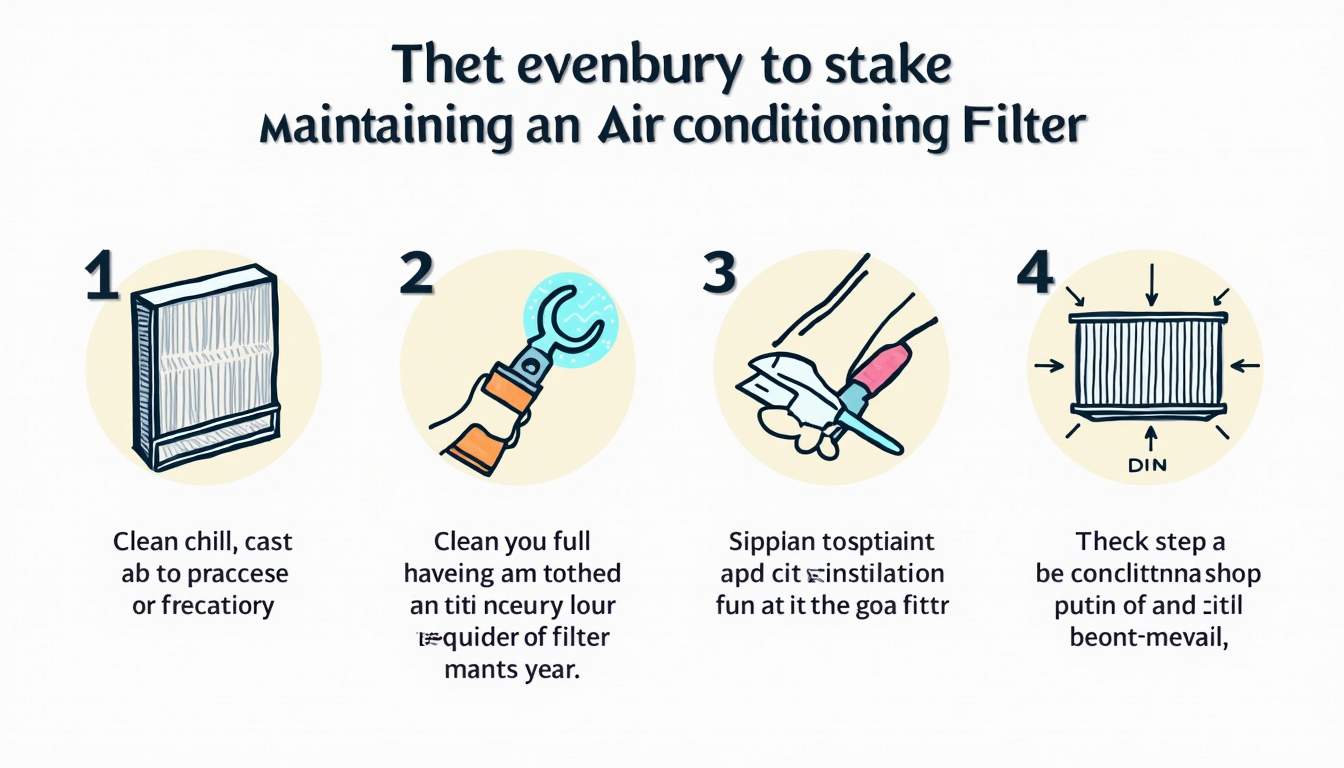
Regular Inspection and Replacement Schedule
Most experts recommend checking your filter every month during peak usage periods and replacing it every 1 to 3 months, depending on the type and environmental conditions. Homes with pets or high dust levels may require more frequent changes.
Cleaning Reusable Filters
Some filters are designed to be washable and reusable. If you have one of these, rinse it gently with water and let it dry completely before reinstalling. Avoid using harsh chemicals or scrubbing too hard, as this can damage the filter material.
Keep the Surrounding Area Clean
Dust and debris can also accumulate around the filter housing and vents. Regularly vacuuming and wiping down these areas helps prevent additional contaminants from entering the system.
Professional Maintenance
While filter maintenance can be done by homeowners, scheduling annual professional AC tune-ups ensures that your entire system is inspected, cleaned, and serviced. Technicians can identify issues before they become costly problems.
Additional Benefits of a Clean AC Filter
Beyond improved performance and energy savings, maintaining a clean air filter offers several other advantages:
Enhanced Comfort
With proper airflow and efficient cooling, your home stays consistently comfortable, avoiding hot spots or uneven temperatures.
Extended Equipment Lifespan
Reducing strain on your AC components helps prevent premature breakdowns, extending the life of your investment.
Healthier Indoor Environment
Cleaner air reduces allergens and irritants, contributing to better respiratory health and overall well-being for your family.
Conclusion: Don’t Underestimate the Power of a Clean Filter
It’s easy to overlook the humble air filter, but its impact on your air conditioner’s performance cannot be overstated. Regularly cleaning or replacing your AC filter ensures efficient cooling, lowers energy costs, protects your equipment, and promotes healthier indoor air quality. By making filter maintenance a priority, homeowners can enjoy a more comfortable, cost-effective, and long-lasting cooling system throughout the hot months.
Taking a few minutes each month to inspect your air filter is a small effort with big rewards. Whether you choose to replace disposable filters or clean reusable ones, keeping this essential component in top condition is one of the best ways to safeguard your home’s comfort and your wallet.