
Choosing the right window tint for a vehicle, home, or storefront requires balancing protection, aesthetics, and long-term value. Ceramic and carbon window films are two of the most popular options on the market, each promising heat reduction, UV blocking, and improved privacy. Understanding the science behind these films, how they perform in real-world conditions, and their cost-benefit profiles will make the selection process more straightforward and help avoid buyer’s remorse.
What Are Ceramic and Carbon Window Films?
Ceramic film contains microscopic ceramic particles that are non-conductive and non-metallic. These particles scatter and absorb infrared (IR) radiation effectively, which reduces heat transmission through glass without significantly affecting visible light transmission. Ceramic films are engineered to provide high heat rejection while maintaining optical clarity.
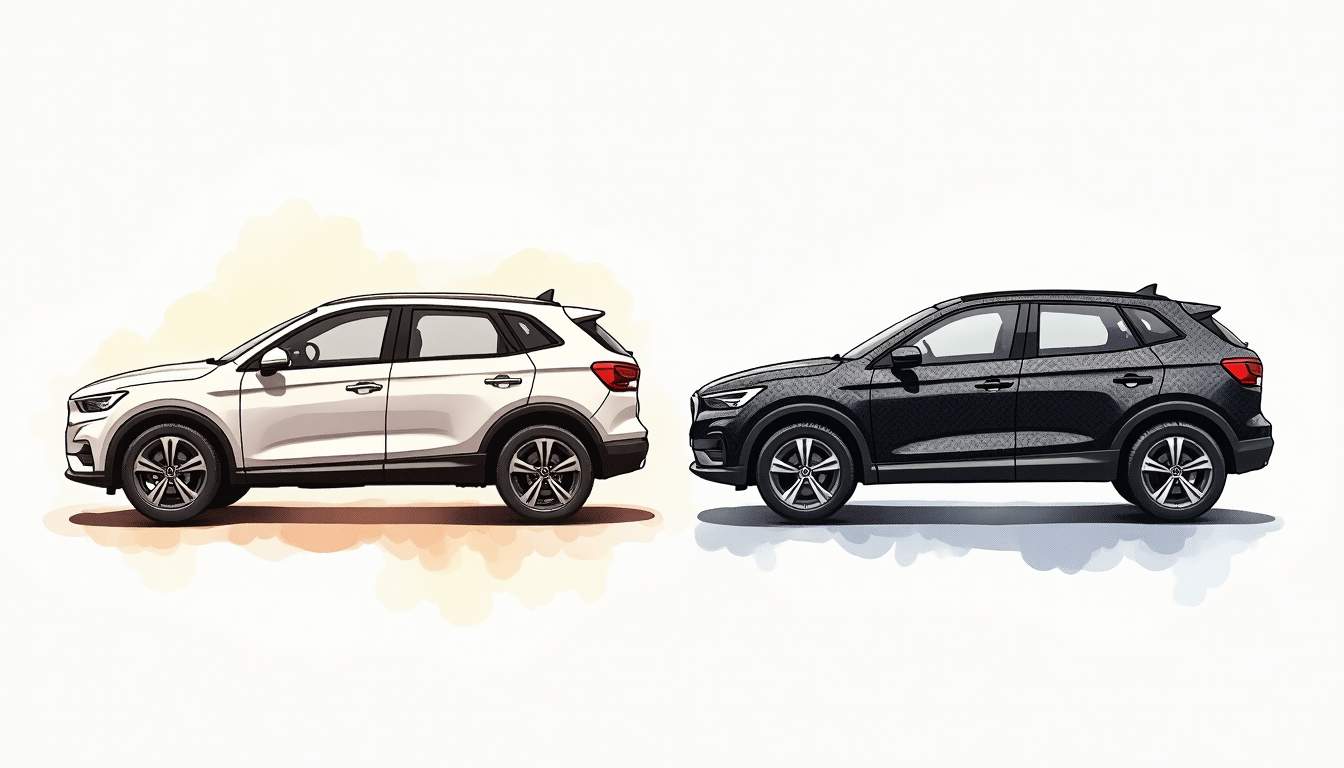
Carbon film, by contrast, uses carbon particles and pigments embedded within the film. It offers a matte finish and blocks a significant portion of infrared rays, though typically not as much as top-tier ceramic films. Carbon films do not contain metal, so they won’t interfere with electronic signals or GPS units, and they generally provide good color stability over time.
Additionally, ceramic films excel in durability and resistance to fading compared to traditional dyed films. Their stable composition helps prevent discoloration and chalking even after extended exposure to sunlight and environmental factors. This makes ceramic films particularly suitable for those seeking long-lasting performance with minimal maintenance. For more insights, check out ceramic tint vs regular tint offered by OC Tint Solutions.
On the other hand, carbon films provide a cost-effective alternative for those prioritizing appearance alongside heat reduction. Their characteristic rich black or charcoal tone enhances the vehicle or building aesthetics while improving comfort by lowering interior temperatures. Moreover, carbon films tend to offer strong UV protection, which helps reduce interior fading of upholstery and dashboards.
Performance: Heat Rejection and UV Protection
Heat rejection is a key factor for anyone prioritizing interior comfort, reduced air-conditioning load, and protection of upholstery and electronics. Ceramic film leads in heat rejection among non-metalized films because ceramic nanoparticles are specifically tuned to reflect and absorb near-infrared radiation. This means interiors stay cooler even when visible light still passes through well.
Carbon film performs well for its price point, cutting down visible light and reducing some infrared heat. However, carbon’s ability to block heat varies by product grade—higher-density carbon films approach ceramic levels but generally do not match the lowest-emissivity capabilities of premium ceramic films.
Both films typically offer excellent UV protection—often blocking 99% or more of harmful UVA and UVB rays. UV blocking contributes strongly to preventing fading of leather, fabrics, and plastic trim, and reduces the risk of skin damage during prolonged exposure.
Moreover, ceramic films tend to maintain their heat rejection and UV protection properties over a longer lifespan. Their inert ceramic particles are highly stable under prolonged sunlight exposure, which reduces degradation, discoloration, or bubbling. Carbon films, while durable, can sometimes develop a slight purple tint or diminish in effectiveness after extended use, especially in environments with extreme temperature fluctuations.
It is also worth noting that ceramic films have minimal impact on electronic signals such as GPS, mobile phone reception, and radio waves due to their non-metallic composition. Carbon films share this advantage, but some carbon formulations may slightly attenuate signal strength, depending on thickness and density. This factor can be crucial for users reliant on uninterrupted connectivity inside vehicles or buildings.
Optical Clarity and Appearance
Optical clarity matters when safety and visibility are priorities. Ceramic films are engineered to be optically clear and resist the slightly smoky or purple hues that can appear with older dye-based films. This clarity makes ceramic a popular choice for windshields and front-side windows where driver visibility must stay uncompromised.
Carbon films typically provide a deep, matte appearance that many find attractive. The finish reduces glare and gives a consistent look that doesn’t shift color over time. While carbon isn’t quite as transparent as ceramic at equivalent visible light transmission levels, it still offers a pleasing balance of privacy and clarity for side and rear windows.
Signal Interference and Compatibility
Metalized tints can cause signal interference for GPS, mobile phones, radio reception, and digital toll transponders. Both ceramic and carbon films have an advantage here: neither contains metal, so they avoid the connectivity issues that plague metalized alternatives. This factor alone can be decisive for drivers who rely on integrated electronics or aftermarket devices.
Durability and Longevity
Durability depends on the film’s composition and the quality of installation. Higher-quality ceramic films are highly stable, resist bubbling, and do not discolor with age. Their inert ceramic particles are unaffected by sunlight and heat, contributing to a long useful life—often exceeding a decade when installed properly.
Carbon films also offer good longevity, resisting fading better than older dyed films. The carbon pigments remain stable under UV exposure, and a well-applied carbon film can maintain its appearance and performance for many years. However, carbon films are slightly more susceptible to performance degradation over long periods compared to premium ceramic options.
Cost Considerations and Value
Price is often the deciding factor. Ceramic film carries a premium because of the materials and manufacturing processes required to achieve high infrared rejection and optical clarity. The upfront cost can be substantially higher than carbon, and professional installation costs reflect the precision required for optimal results.
Carbon film generally presents a lower initial investment while delivering many of the benefits consumers want—UV protection, improved privacy, and reduced glare. For budget-conscious buyers looking for a meaningful upgrade over standard dyed film, carbon typically offers the best mix of performance and value.
When assessing value, factor in energy savings, interior preservation, and resale considerations. Higher-quality film can add perceived value to a vehicle or property, and long-term energy savings in hot climates can offset the initial premium of ceramic film over several years.
Installation and Maintenance
Both ceramic and carbon films require professional installation for best appearance and performance. Properly trained technicians ensure edge seals, avoid creases or dust inclusions, and achieve uniform adhesion. The quality of installation often affects performance more than the film brand itself.
Maintenance needs are similar for both films. Cleaning with non-abrasive cleaners and soft microfiber cloths will preserve appearance and prevent scratches. It’s important to avoid ammonia-based cleaners, which can degrade adhesives over time. Following the installer’s care instructions will maximize the life and clarity of the film.
Which Film Suits Which Use Case?
Daily Commuters and Technology Users
For drivers who rely on clear visibility and uninterrupted device connectivity, both ceramic and carbon are suitable. Ceramic is ideal when maximum heat reduction and superior optical clarity are priorities, such as for long highway commutes or hot climates. Carbon is a strong alternative when aesthetic, cost, and moderate heat reduction are acceptable trade-offs.
Luxury and High-End Vehicles
Luxury vehicle owners often choose ceramic because it preserves interior materials and delivers best-in-class clarity without affecting on-board electronics. The premium price aligns with the overall investment in maintaining a vehicle’s appearance and function.
Budget-Conscious Buyers
Carbon film is frequently recommended for buyers seeking a high-quality upgrade at a lower cost. It provides a durable, stylish finish and meaningful heat and UV protection without the higher price tag of ceramic. For many, carbon hits the sweet spot between performance and value.
Residential and Commercial Applications
In homes and storefronts, energy savings and heat control are key. Ceramic films that block a high percentage of IR radiation can reduce cooling loads and improve occupant comfort, making them attractive for large glass façades. Carbon film can be a strong choice where glare reduction and consistent appearance are desired but maximum energy savings are not required.
Environmental and Safety Factors
Reducing solar heat gain conserves energy and lowers air-conditioning demands, which contributes to reduced greenhouse gas emissions over time. Both ceramic and carbon films help achieve this, though ceramic’s superior IR rejection typically yields greater energy savings in hot climates. Choosing either film over non-tinted glass improves UV protection, which has public health benefits.
Safety features also matter: some films offer shatter resistance, holding glass fragments together in the event of breakage. This adds a layer of passive protection against injury and theft. When security is a priority, look for films rated for impact resistance; both ceramic and carbon formulations can be manufactured with enhanced strength.
How to Choose: Questions to Ask Before Buying
Start with climate and primary objectives: is the main goal heat reduction, UV protection, privacy, or aesthetics? Budget constraints will narrow options quickly. Request objective performance data—solar heat gain coefficient, visible light transmission (VLT), and UV rejection percentage—from installers or manufacturers.
Verify warranty terms and ask about the installer’s experience. A strong warranty backed by an established company plus positive local references can justify paying a premium. Finally, inspect sample installations to compare real-world appearance, and confirm the film will not interfere with any onboard systems or aftermarket electronics.
Final Comparison and Recommendation
Both ceramic and carbon films outperform older dye-based and many metalized films in terms of stability, UV protection, and aesthetics. Ceramic is the technical leader for heat rejection and optical clarity and is the preferred choice for those willing to invest in long-term comfort and preservation of interiors. Carbon offers a compelling mix of style, durability, and cost-effectiveness, making it a versatile choice for many practical applications.
The decision ultimately depends on priorities: choose ceramic for maximum performance and minimal compromise; choose carbon for an excellent blend of value, looks, and functionality. Either option represents a significant improvement over standard glass and can extend the life and comfort of a vehicle or interior space when matched to the right use case and installed properly.